
Have you ever wanted to start a vegetable garden, growing your own vegetables, and having instant access to healthy produce in a garden in your own backyard?
If the answer is yes, then this is a great place to start.

Grow Your Own Vegetables At Home
Why are you buying the sad produce you find in the grocery store?
Produce that in most cases has been sitting in a truck or warehouse for days, losing nutrition by the hour and maybe even sprayed with who knows what, when you could be walking out your back door picking salad for your family’s dinner.
But maybe you don’t know where to start to grow your own vegetables!
No problem. You have come to the right place.
By the time you get to the end of this article, you will be ready to get started planning a vegetable garden of your own.

This post may contain affiliate links. Please read my disclosure if you have questions.
Thank you for supporting this site with purchases made through links in this post. For Starters Here’s My Amazon Link
Grow Your Own FAST FOOD
Before we get into growing your own garden, I wanted to let you know that you can start putting food on your table any time of the year in as little as 2 weeks! Yes, that’s right 2 weeks. By growing highly nutritious microgreens. It’s easy too. Check it out! Microgreens – How To Grow Them – The Beginners Guide.
Related>> 12 Excellent Reasons To Garden – Why Everyone Sould Have A Garden.
Start A Vegetable Garden From Scratch
Vegetable Gardening For Beginners
The success of a vegetable garden depends a great deal on the preparation. The planning, putting it in the right place, building the soil, combatting weeds from the beginning. These are just a few of the factors that will determine the success of your vegetable garden.
But you don’t have to aim for perfection. Just get started. With a bit of sage advice, you can be eating that salad in only a few weeks and enjoying cherry tomatoes all summer long.
Related: How To Start A Vegetable Garden For Beginners.
Planning Your Vegetable Garden Layout
Whether in your backyard, in an apartment, or on a new homestead, there are a few things that all veggie gardens need.
Sun, Heat, Air (not wind) Water & Soil.
Not all plants require the exact same amount of each, but most of the vegetables you grow will do well if you follow these simple rules
First, Decide what kind of garden you want to start with.
- Container Garden
- Raised Beds
- Flat, In The Ground.
Many people will start with containers until they have observed where the best place to have a permanent garden will be. Once you have dug up the ground and amended the soil, it’s harder to move it to a new location. (yes, there can be tears) So it’s best to start slow until you know for sure that’s where you want it to be permanently.
Here is a post about some of the pitfalls to avoid when placing your garden.
Second, Start Small!
It can be overwhelming to bite off too much at once. When you start a vegetable garden, it’s important to start small and expand as you get more experience.
A large garden can quickly get away from you. Weeding and harvesting take time and before you know it you have wasted produce on the ground and you are frustrated.
When you start small you have a chance to learn how much work it will be and how much you want to do.
1 raised bed, a few pots or a 3×8 in ground plot is a great place to start.
I have heard from more people who wanted to garden but stopped gardening for the number one reason that they started too big and got overwhelmed and discouraged.
You can grow more from a small, well-tended garden than you ever can from a large garden that you can’t keep up with.

Where To Plant Your Vegetable Garden
After you have read the article above about where NOT to put your garden.
Here are a few things you will want to consider about where to put your vegetable garden.
Plant In Full Sun
Most garden plants need a MINIMUM of 6 to 8 hours of sun. All fruiting plants (tomatoes, peppers, okra, peas, and beans) need this much or you won’t get much (if any) fruit.
You will see articles that say you can plant some vegetables in the shade. You can, but they-will-grow-very-slowly. (think sloth)
If you want a productive garden, put it in the sun. One caveat on this. If you live in a very warm climate, after 6 to 8 hours, a little afternoon shade is not a bad thing. 12 to 14 hours is NOT required.
Watch it through the day. Does that tree shade it starting around noon? Will it when it gets it’s summer leaves?
Plant Close To Water
There are very few places that supplemental watering is not needed sometime during the year. So make it easy on yourself and place your garden near a water spigot.
A hose (and maybe irrigation) will make your life so much easier. If you have to carry buckets of water out to the back 40, you will soon be cursing where you put the garden and your plants will suffer too.
On the other hand. Don’t place your garden where the water will stand after a rain. Your plants need good drainage.
Pay Attention To The Air
Good Air Circulation is important, but more importantly, is that it is not too windy. If the area where you put your garden is prone to big blows you may want to put up some kind of wind block. Too much wind will dry out your plants and knock them over.
Surprisingly, the roots need air too. That’s where worms come in. They make tunnels in the soil which lets in air. But if your garden is standing in water all these tunnels and little air spaces will be filled and the roots will rot.
Ammend Your Soil
What is your soil like? I don’t know anyone who doesn’t need to amend and build up their soil at least a little bit, but if you have very rocky soil, hard clay, pure sand, or other truly dastardly things to dig in, you may want to consider the raised bed or container garden. At least to start. Your life will be so much easier.
Plant Close To The House
The closer to the house your garden is, the more you will see and visit it and the more successful it will be.
Choosing What To Grow
When you first start a vegetable garden, it’s hard to know what you should grow.
The first thing to consider is what your family likes to eat. If everyone hates beets or brussels sprouts, don’t waste your precious garden space (and your time) on them. Grow what you will use.
The second thing is what grows well in your area. You may eat a lot of eggplant and sweet potatoes, but if you live in Maine or Minnesota that could be a problem as they take a long growing season which you just don’t have.
On the other hand, if you live in South Florida, you may need to forgo the shell peas as it may not stay cold enough to get much of a crop. Learn from locals what grows well in your area. (and the best time to plant it) Then take the list and refer to the first thing, what you will actually eat.
You may want to check out the article What To Plant In Your Vegetable Garden. It has a few more ideas.
What Are The Easiest Vegetables To Grow?
When deciding what to plant, there are a few other things to consider.
Size of the plant
If you have a small garden you probably don’t want to grow pumpkins. Or any winter squash for that matter. They sprawl along the ground and get really big.
If you are growing in containers, make sure the pot is big enough to handle the roots of the plant you are growing.
Ease of growing
Some vegetables are just easier to grow than others.
When you are just starting out growing your own vegetables, you want to grow the easiest vegetables possible, for ultimate success.

When To Start A Vegetable Garden
The Time To Start Your Garden Is Now!
It all begins with a plan.
When you set out to grow your own vegetables there are a lot of things to remember.
A great way to start planning is with a garden journal. What is that? A garden journal is a place to map out your garden beds. Plan when to plant, record successes and failures. Keep track of your seeds and the varieties you like best – and – so – much – more!
A garden journal can be started at any time.
Make A Plan
You can decide now what type of garden to start with. What size garden to start with and where it’s going to be. You can even map it out on the ground.
The best time to start preparing the ground for an inground garden is in the fall. You will need to remove rocks and add compost and mulch.
Yep, you should start composting now. What’s that? Using your leaves or grass clipping and your kitchen waste to decompose into wonderful “black gold” for your plants. It’s a great way to build up your soil.
Or you can start raising worms and let them eat your garbage and do the work for you.
Buying Seeds and Plants
You can also buy the seeds or find a place to buy the plants if that is the way you want to go.
When you start a vegetable garden, you need to learn when the last frost date is and the first frost date in the fall is in your area. (your extension agency, a local university, or local nursery can help you with that.)
You can also check this chart if you are in the US.
That will help you determine the best planting dates. (There’s a chart to help you keep track of that in the garden journal.)
Which Is Better, Plants Or Seeds?
Starting with plants is a great idea for first-time gardeners. It gets you over the infancy of your little plants. But it’s ok to start with seeds too. Some like to be planted right in the ground. Others, you may wish to start indoors to get a jump on your growing season.
When To Plant
Gardeners group plants into 2 groups. Cool-season: these can be planted when the air and ground are still very cool – and Warm-season: These will not do well when it is cool. They need the heat of summer to thrive. The longer you garden the more you will learn about when is the best time to plant each type of these plants in your area.
Don’t Forget The Flowers
Flowers are a very important part of a vegetable garden. Not only are some flowers edible, like nasturtium and borage. Many are companion plants for your vegetables. They attract beneficial insects or repel the bad guys. Besides they just make it look so pretty.
Vegetable Garden Care
The shadow of the gardener is the best fertilizer. That is one of my favorite quotes. What it means is if you are in your garden often you will see how your plants are doing.
When they need a drink. When they have bugs or weeds or when they need to be harvested. If you devote 10 to 15 minutes every day to a small garden, you are bound to have success.
How To Water
Most gardens need about 1″ to 1 1/2″ of water every week. That can be from rain or irrigation. If your plants are starting to wilt, check the soil. Push your finger in up to the second knuckle. Is the soil moist or dry? If it is dry, give your garden a drink.
The best time to water is in the morning as nighttime watering can encourage fungus and in the afternoon it evaporates too quickly.
Water the soil, not the leaves. It’s that fungus thing I mentioned above.
Sandy soil needs more water than clay soil as water runs right through it. This is just one reason compost is so great. Compost helps hold the moisture. Oh, and so much more.
Weed Often
Remove weeds before you plant your garden and remove any new ones as soon as you see them. If you pull 1 or 2 every day, it’s not such a big job and the roots will not be big enough to pull up the plants around it.
Related: 12 Ways To Make Weeds – Go Away!
Fertilize
Don’t forget to fertilize. A little every 2 weeks is much better than a lot twice a season.
What Tools Are Needed To Start A Vegetable Garden?
Your tools will vary depending on the type of garden you choose to grow. But start with just a few of the basics until you know what type and size of garden you want and which tools you will find most helpful.
A word of advice here. Buy high-quality tools. They will last much longer and work much better. They are a much better value in the long run.
If you are growing in containers your tools will be very minimal.
Every Gardener should have a good pair of gloves. I love that I can adjust the wrist closures on this pair to get just the right fit.
A few containers, (I love grow bags ) You can read my article on grow bags here. But any container with drainage will do.
A trowel to dig holes and smooth soil
A Hose or even just a watering can.
A little potting soil and you are all set!
If you wish to grow in raised beds you will also need to build the bed.
You will need cardboard to smother the grass and weeds
A nice raised bed kit is a great way to get started.
I also like a wheelbarrow or wagon to hall soil, compost, or plants.
A soaker hose or drip irrigation system.
If you are growing in the ground, you are looking at a few more tools.
A shovel to dig up the soil
And a rake to smooth out the soil and rake in amendments.
Compost
String to mark off the rows
Soil tester. This tester is the bare minimum that tests for PH. But it’s a good place to start.

Keeping Notes
Keeping a garden journal is one of the best ways to become a better gardener. Over time you will start to see patterns.
From my garden journal, one thing I discovered was that corn did much better in my garden when planted in the Fall. In the spring garden, the corn worm would eat it every time.
It also helped me remember what varieties did best so I would make sure to order that again. (and remind me where I ordered it from!)
It’s OK To Make Mistakes
Don’t aim for perfection. Do you realize that over half of the produce grown in America doesn’t make it to the grocery store? No gardener has all of their produce looking perfect. You may have a few bug holes, carrots that aren’t straight, or tomatoes that crack. (or corn eaten by corn worms)
That’s Ok! Start a vegetable garden anyway. Just celebrate your victories and try to learn from what went wrong.
Related>> My Garden Journal – Planner
Enjoy The Harvest From Your Garden
Don’t forget to enjoy your harvest. Yes, it’s fun to grow a vegetable garden, but the vegetables are what it’s all about. Start collecting recipes for using all that produce, so none of it goes to waste. Learn to preserve it as well for the times when it’s just coming too fast to eat it all fresh.
Here are a few suggestions to get you started!
Sauteed Swiss Chard and Tomatoes.
Are You Ready To Start A Vegetable Garden In Your Own Backyard?
Starting a vegetable garden is endlessly rewarding. You will grow healthy vegetables that taste better than store-bought, have a larger variety, and get beneficial exercise. Besides having instant access to all that produce.
Many find gardening to be a real money saver too. Especially after the initial set up is done.
If you have children, it’s doubly rewarding as you can teach them where their food comes from. It is documented that children who garden eat more fruits and vegetables. What a valuable lesson to learn.
I could go on and on about the benefits of a veggie garden. Yes, it’s hard work, but the joy, satisfaction, and health benefits it brings are priceless. And when you are biting into your first ripe tomato you’ll forget all about that hard work.

Want More Step By Step Instructions?
In my How To Start A Vegetable Garden For Beginners, I walk you step by step through how to plan and set up your first garden. You also get the ” My Garden Journal” As a Bonus for purchasing the course and we use many of the journal pages in the course. The other bonus is the course doesn’t expire so you can refer back to it again and again.
Vegetable gardening for beginners is not only possible, it is something that everyone should should do. Start a vegetable garden today and put fresh vegetables on your family’s table.
Did you like this post? Then, I’d love if you share it!
Want some more top posts? Check out this list of Readers Favorites.
Happy Gardening!
 I believe everyone can grow at least part of their own food! Let me show you how.
(Photo Credits – #1 & #6 – DepositPhoto ID#40313749 vkyryl – #2 – ID#153041834 hquality – #3 & featured – ID#13926141 udra – #4 – ID53326937 alexraths – #5 – ID#255623642 serejkakovalev)
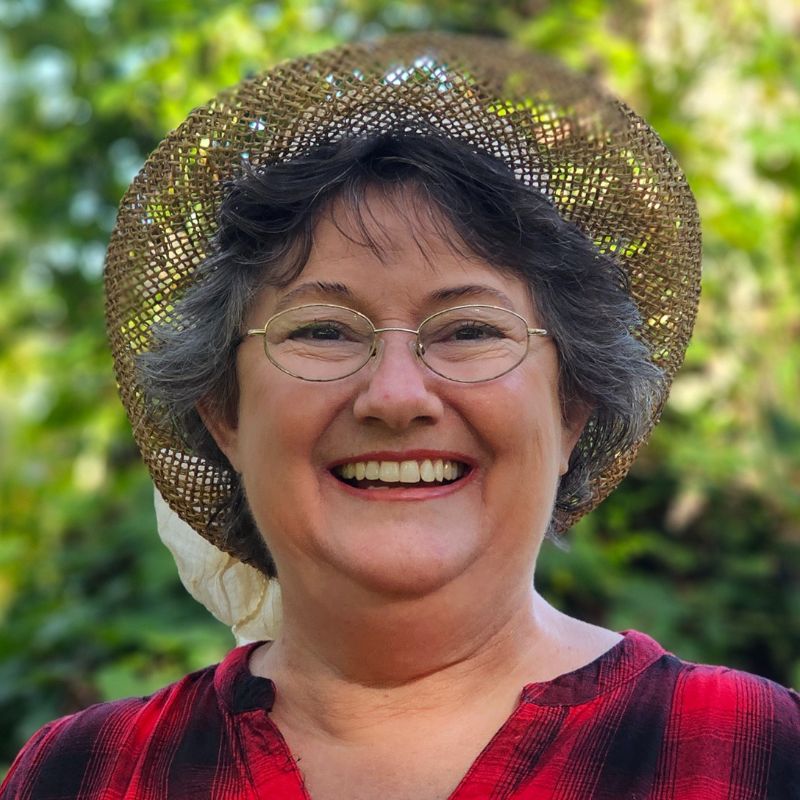
Mary is a gardener, backyard homesteader, and duck wrangler. She is also the owner and writer of LifeIsJustDucky.com and AGoodWordADay.com. (for daily devotions) Mary is passionate about helping others expand their backyard homesteading skills and learn to be more self-sufficient, no matter where they live.