
Learning how to grow nasturtiums was one of my very first gardening lessons, and it’s a memory I’ve never forgotten. These cheerful flowers are easy to grow, completely edible, loved by pollinators, and one of the best companion plants you can add to a vegetable garden. Whether you’re growing nasturtiums from seed, planting them in containers, or letting trailing varieties spill over the edge of a raised bed, these colorful flowers earn their place in almost any garden.
This post may contain affiliate links. I will be compensated if you make a purchase after clicking on my links. Please read my disclosure if you have questions.
Thank you for supporting this site with purchases made through links in this post. For Starters Here’s My Amazon Store.
We had moved away from all of my grandparents when I was a little girl, but Grandma Brown adopted me as one of her own. I was friends with her granddaughter, yet she never treated me any differently than the rest of her grandchildren. She baked cookies for us, let us climb trees, pick fruit, gather edible flowers to feed the chickens, and spend countless afternoons exploring her garden.
One year, Grandma Brown built four raised beds—one for each of her three grandchildren and one just for me. Then she handed each of us a packet of seeds. Mine was a packet of nasturtium seeds.
I had no idea that those funny-looking little seeds would introduce me to one of the most useful plants I’d ever grow.
Today, decades later, I still plant nasturtiums every year. They’re beautiful enough to brighten the garden, delicious enough to add to my salads, and practical enough to earn their keep as companion plants that attract pollinators and help protect nearby vegetables. Few flowers work as hard as nasturtiums.
What Are Nasturtiums?
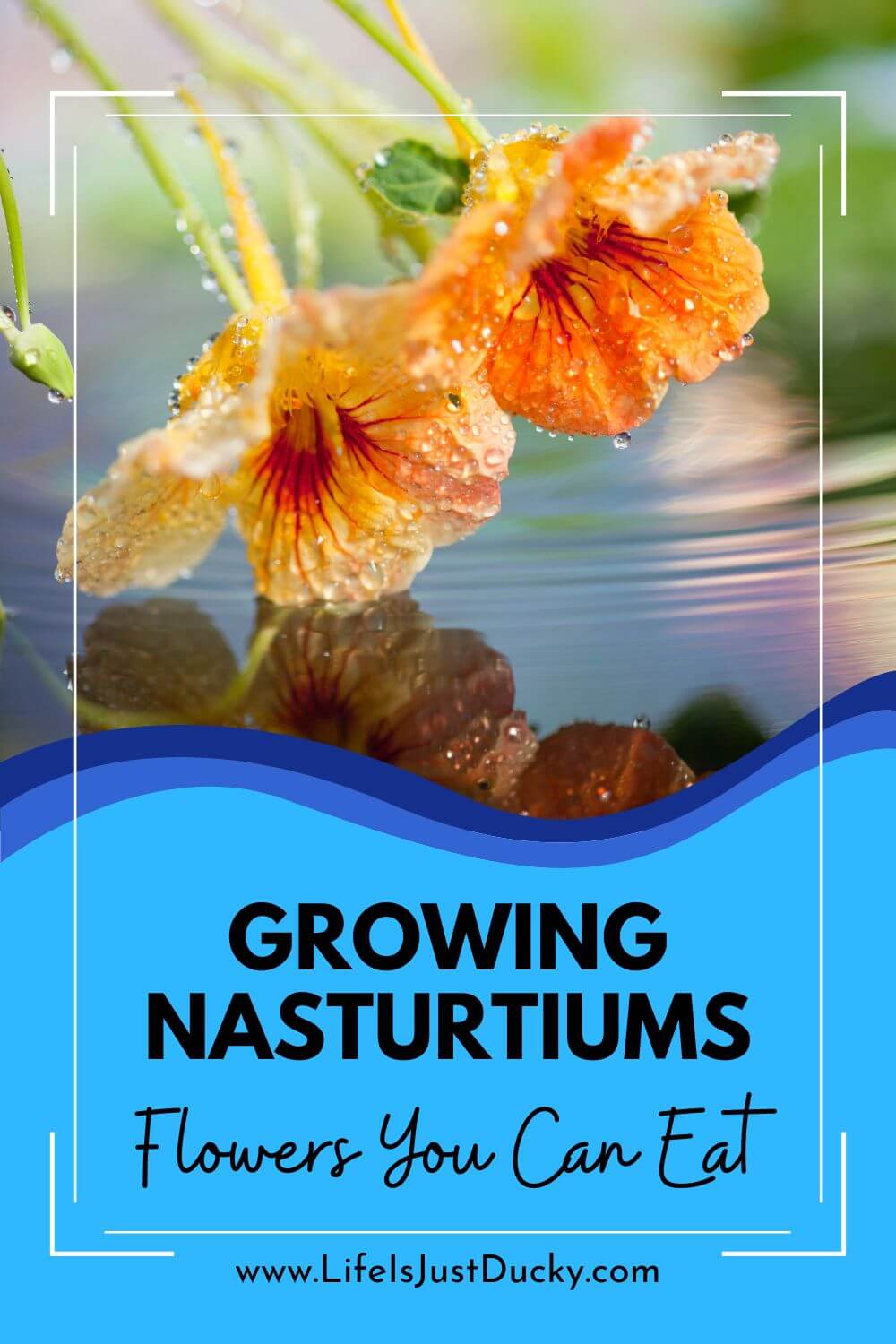
Nasturtiums (Tropaeolum majus and Tropaeolum minus) are fast-growing flowering annuals native to Central and South America. Although they’re usually grown as ornamental flowers, they’re also considered a culinary herb because the leaves, flowers, and immature seedpods are all edible.
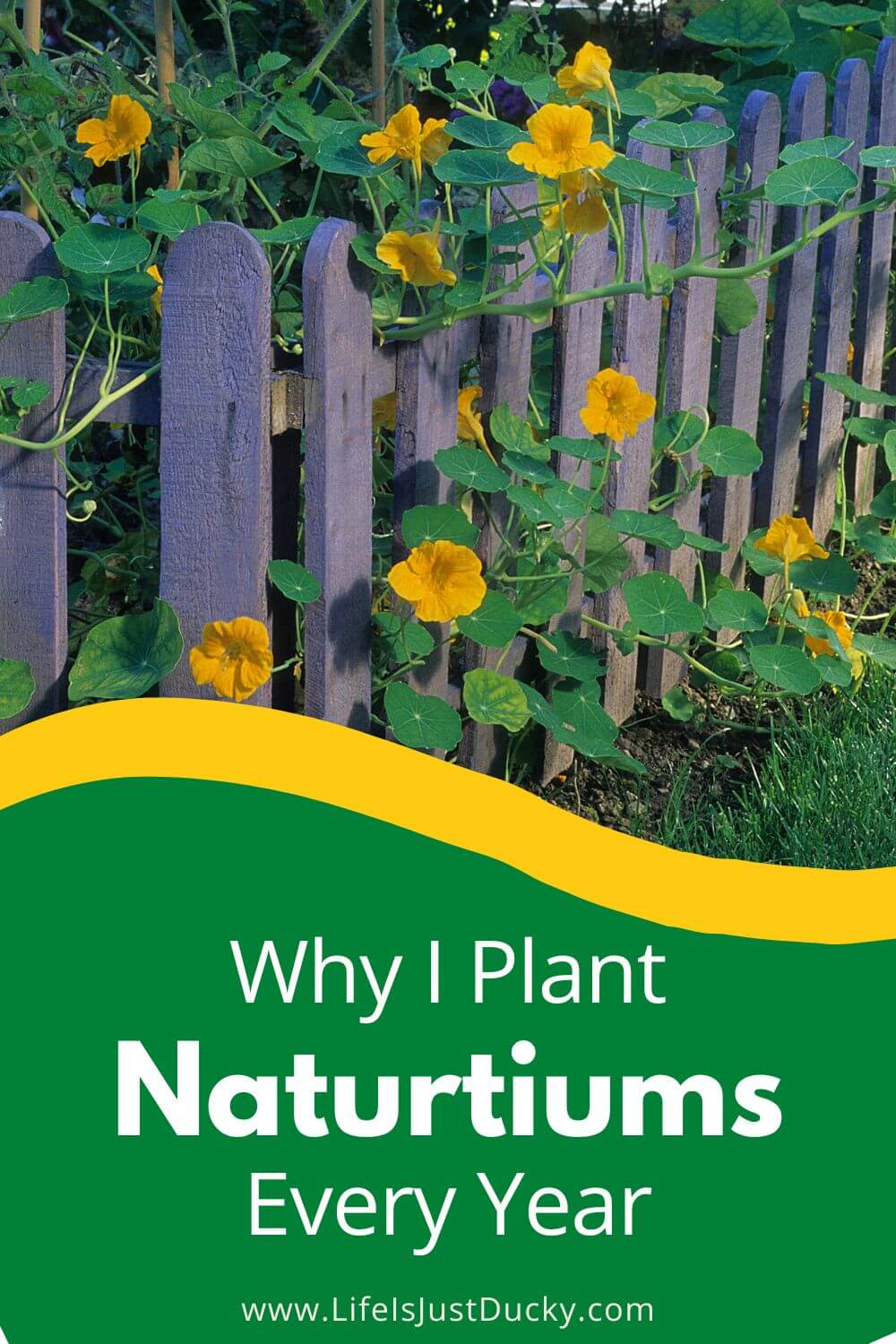
One of the first things you’ll notice about a garden nasturtium is its unique foliage. The round leaves look almost like tiny lily pads, with pale veins radiating from the center of each leaf. Depending on the variety, plants may stay in a neat mound or produce long, trailing vines that climb fences, spill from containers, or wander happily across the garden.
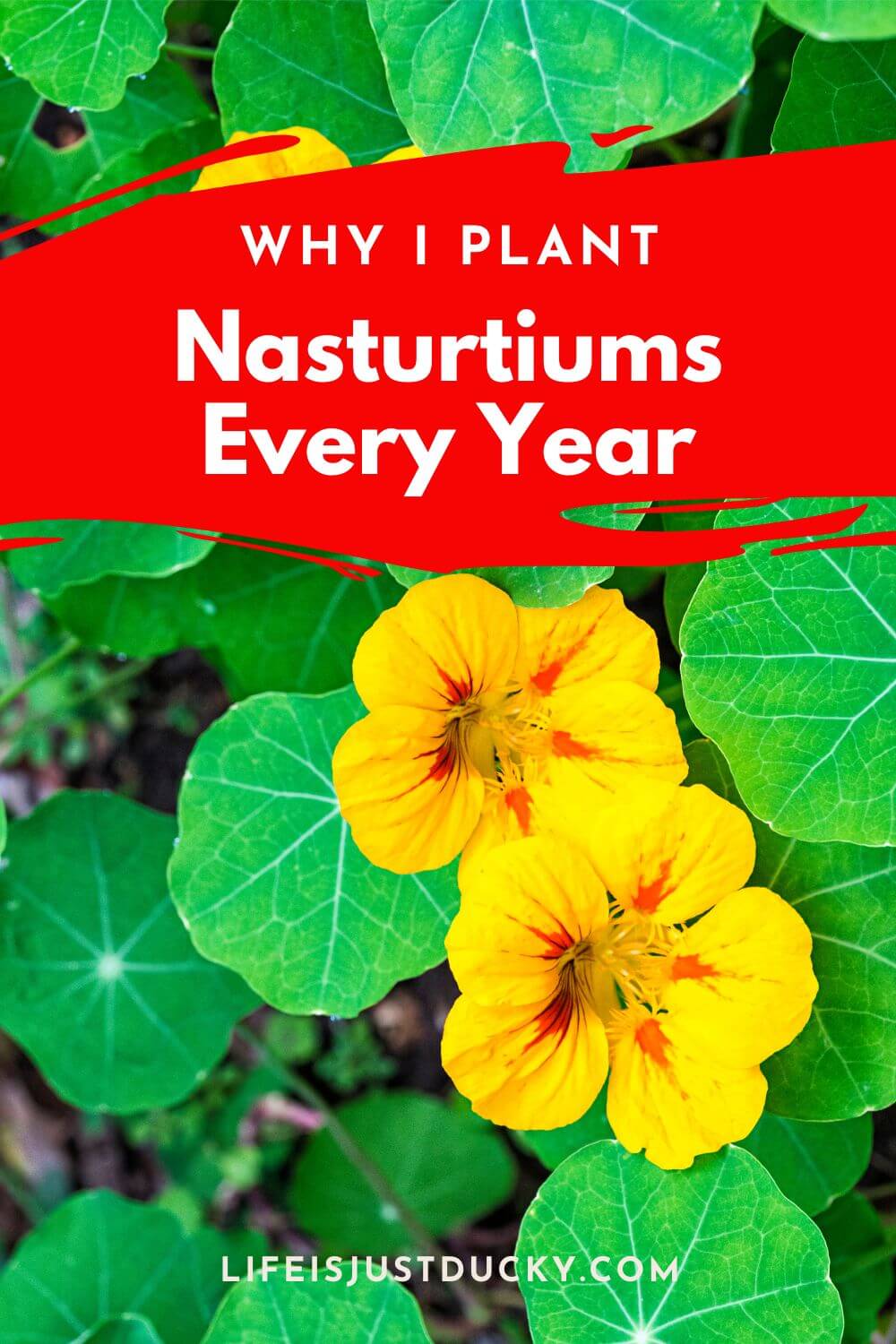
The flowers are just as cheerful as the foliage. Traditional nasturtiums bloom in shades of yellow, orange, and scarlet, but today’s varieties also include creamy whites, soft peaches, deep reds, and even nearly black flowers. Some varieties have beautiful variegated leaves that add interest long before the first flower opens.
Because nasturtiums grow quickly, bloom for months, and ask for very little in return, they’re often recommended for beginning gardeners and children’s gardens. The large seeds are easy for little hands to plant, and the fast-growing plants reward their patience with colorful blooms in just a few weeks.
Related>> How To Start An Herb Garden For Flavor And Better Health
Is Nasturtium an Herb?
Surprisingly, yes.
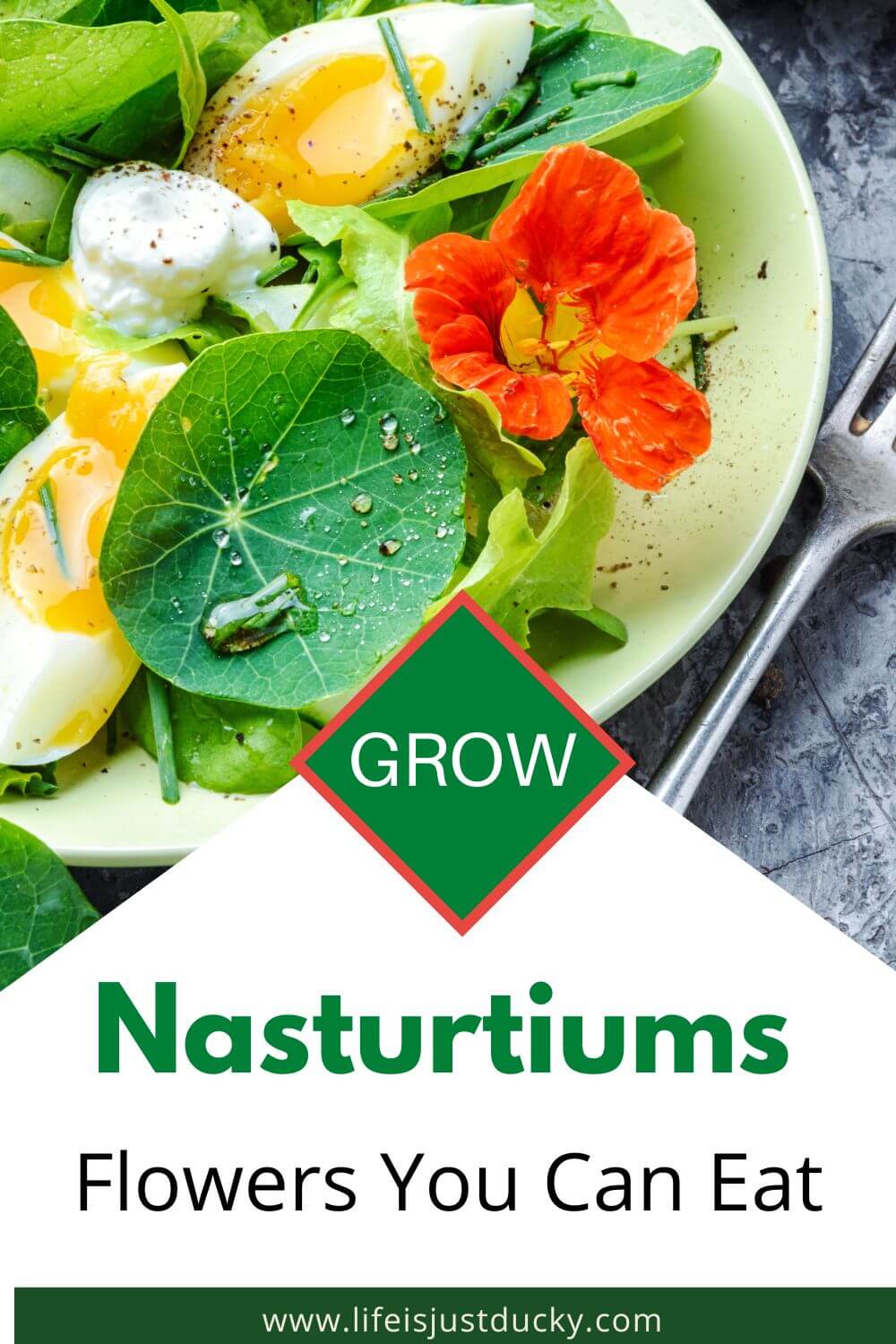
Although most gardeners grow nasturtiums for their colorful flowers, they’re also considered a culinary herb because every part of the plant is edible. The peppery flavor of the leaves and flowers is similar to watercress or arugula, making them a flavorful addition to salads, sandwiches, pestos, and stir-fries.

Why I Grow Nasturtiums Every Year
If I could only choose one flower to weave throughout my vegetable garden, it would probably be nasturtiums.
They’re one of those rare plants that seem to do everything well.
They add bright color to the garden, attract bees and other pollinators, lure certain insect pests away from vegetables, provide edible flowers and leaves for the kitchen, and even make a healthy treat for my chickens and ducks. On top of all that, they’re incredibly easy to grow from seed.
I especially appreciate that nasturtiums fit beautifully into almost any garden. Bush varieties brighten flower beds and containers, while trailing and climbing varieties soften the edges of raised beds, cascade from hanging baskets, or scramble up a simple trellis.
It’s hard to ask more from a single flower.
🌼 From Mary’s Backyard
I always plant trailing nasturtiums near the edge of my raised beds. By the end of the growing season they’ve usually tumbled over the sides and wandered into the garden path. I don’t mind one bit. I love the relaxed, cottage garden look they create, and the bees seem to appreciate all those extra flowers just as much as I do.
Related>> SeedsNow(ad)
Types of Nasturtiums
One of the first decisions you’ll make when choosing nasturtium seeds is whether you want a bush variety or a trailing variety. Both are easy to grow, produce edible flowers, and attract pollinators, but they have very different growth habits.
Bush Nasturtiums
Bush, or dwarf, nasturtiums (Tropaeolum minus) stay compact, usually growing 10 to 12 inches tall. They’re perfect for smaller gardens, flower borders, containers, window boxes, and anywhere you want colorful flowers without vines taking over.
Because they stay neat and tidy, bush varieties are also a great choice for beginning gardeners.
Some popular varieties include:
- Alaska Mix
- Empress of India
- Peach Melba
- Tom Thumb
- Black Velvet
Trailing and Climbing Nasturtiums
Trailing or climbing nasturtiums (Tropaeolum majus) produce long vines that can spread several feet across the ground or climb a fence or trellis with a little encouragement.
They’re beautiful spilling over the sides of raised beds, growing from hanging baskets, or weaving through a vegetable garden. By midsummer they create waterfalls of colorful blooms that seem to attract bees from every direction.
Related>> How To Build A Raised Garden Bed
Because they spread so readily, trailing nasturtiums also make an excellent living mulch, helping shade the soil and reduce weed growth around nearby vegetables.
Popular trailing varieties include:
- Tall Trailing Mix
- Jewel of Africa
- Moonlight
- Yeti
Related>> Vegetable Gardening for Beginners: How to Start a Garden Successfully
How to Grow Nasturtiums
If you’re looking for an easy flower, this is it.
Growing nasturtiums from seed is incredibly simple, and they’re one of the few flowers that actually perform better when they’re not fussed over too much.
Unlike many flowering annuals, nasturtiums don’t need rich soil or constant fertilizing. In fact, giving them too much fertilizer usually produces lots of beautiful leaves but very few flowers.
Sometimes less really is more.
When to Plant Nasturtiums
In most parts of the country, sow nasturtium seeds directly outdoors one to two weeks after your last spring frost once the soil has warmed.
If you have a shorter growing season, you can start seeds indoors about four weeks before your last frost. Because nasturtiums dislike having their roots disturbed, biodegradable pots or soil blocks work best if you’re starting them inside.
Here in South Florida, I treat nasturtiums differently.
Instead of planting in late spring, I grow them during our cooler months. They thrive in our fall, winter, and early spring gardens but usually struggle once the heat and humidity of summer arrive. Once temperatures regularly climb into the 90s, flowering slows dramatically and the plants begin to fade.
How to Grow Nasturtiums from Seed
One reason nasturtiums are so popular with children is their seeds.
They’re about the size of dried peas, making them easy to handle and plant.
For the quickest germination, soak the seeds overnight before planting. Some gardeners also lightly nick or sand the hard outer seed coat, but I usually skip that step. Simply soaking them has always worked well for me.
Plant the seeds about ½ inch deep and space them 10 to 12 inches apart.
Keep the soil lightly moist while the seeds germinate. Most will sprout within seven to ten days.
Once established, they grow quickly.
🌼 From Mary’s Backyard
Nasturtiums were one of the very first flowers I ever grew from seed, and I still think they’re one of the best flowers for children. The seeds are big enough for little hands to plant, they sprout quickly, and before long they’re rewarded with bright flowers they can actually eat.
Nasturtium Growing Conditions
One of the reasons I recommend nasturtiums so often is because they’re incredibly forgiving.
Give them a sunny spot, decent drainage, and resist the temptation to pamper them.
That’s usually all they need.
Sun
Nasturtiums bloom best in full sun with at least six hours of direct sunlight each day.
They’ll tolerate partial shade, especially in warmer climates, but you’ll usually get more leaves and fewer flowers.
Soil
Poor soil is perfectly fine.
In fact, overly rich soil encourages lush foliage at the expense of blooms. Well-drained soil with a little compost is usually all they need.
Water
Water regularly while young and during extended dry periods.
Once established, nasturtiums are fairly drought tolerant, although they’ll produce more flowers if they receive consistent moisture.
Avoid constantly soggy soil.
Fertilizer
Skip it. Unless your soil is extremely poor, additional fertilizer generally isn’t necessary. Too much nitrogen produces lots of leaves but fewer flowers.
Related>> How To Start Container Gardening Like A Pro.
Growing Nasturtiums in Pots and Containers
Nasturtiums are excellent container plants.
Bush varieties stay compact and brighten patios, porches, and balconies, while trailing varieties spill beautifully over the sides of hanging baskets and decorative pots.
Just make sure containers have good drainage and avoid overfeeding them.
If you’re growing trailing nasturtiums in a pot, give them plenty of room to spread or let them cascade naturally over the sides.
Companion Planting with Nasturtiums
If you only grow nasturtiums because they’re pretty, you’re missing one of their greatest strengths.
Nasturtiums are one of the best companion plants you can grow in a vegetable garden. They help attract pollinators, act as a trap crop for certain insect pests, provide living mulch, and even create shelter for beneficial wildlife.
That’s a lot of work from one cheerful little flower.
Related>> My Favorite Companion Plants
Nasturtiums Make an Excellent Trap Crop
One of the biggest benefits of companion planting with nasturtiums is their ability to act as a trap crop.
Instead of trying to keep every insect out of your garden, a trap crop gives troublesome pests a plant they prefer over your vegetables.
Aphids, flea beetles, and some caterpillars are often much more interested in nasturtiums than they are in nearby crops. That means your lettuce, kale, broccoli, cabbage, and other vegetables often suffer less damage.
Don’t panic if you notice your nasturtiums covered with aphids.
That’s actually a sign they’re doing exactly what you planted them to do.
Simply rinse the aphids off with a strong spray of water or remove badly infested stems if needed. I avoid using insecticides because those same plants are attracting beneficial insects that help keep the garden balanced.
What to Plant with Nasturtiums
Nasturtiums grow well alongside many popular vegetables.
They’re especially useful near:
- Beans
- Broccoli
- Cabbage
- Kale
- Lettuce
- Cucumbers
- Squash
- Pumpkins
- Radishes
- Melons
I like to tuck them along the outside edge of my raised beds where they have room to spread without crowding my vegetables.
They Bring Your Garden to Life
One of the first things you’ll notice after planting nasturtiums is just how many visitors they attract.
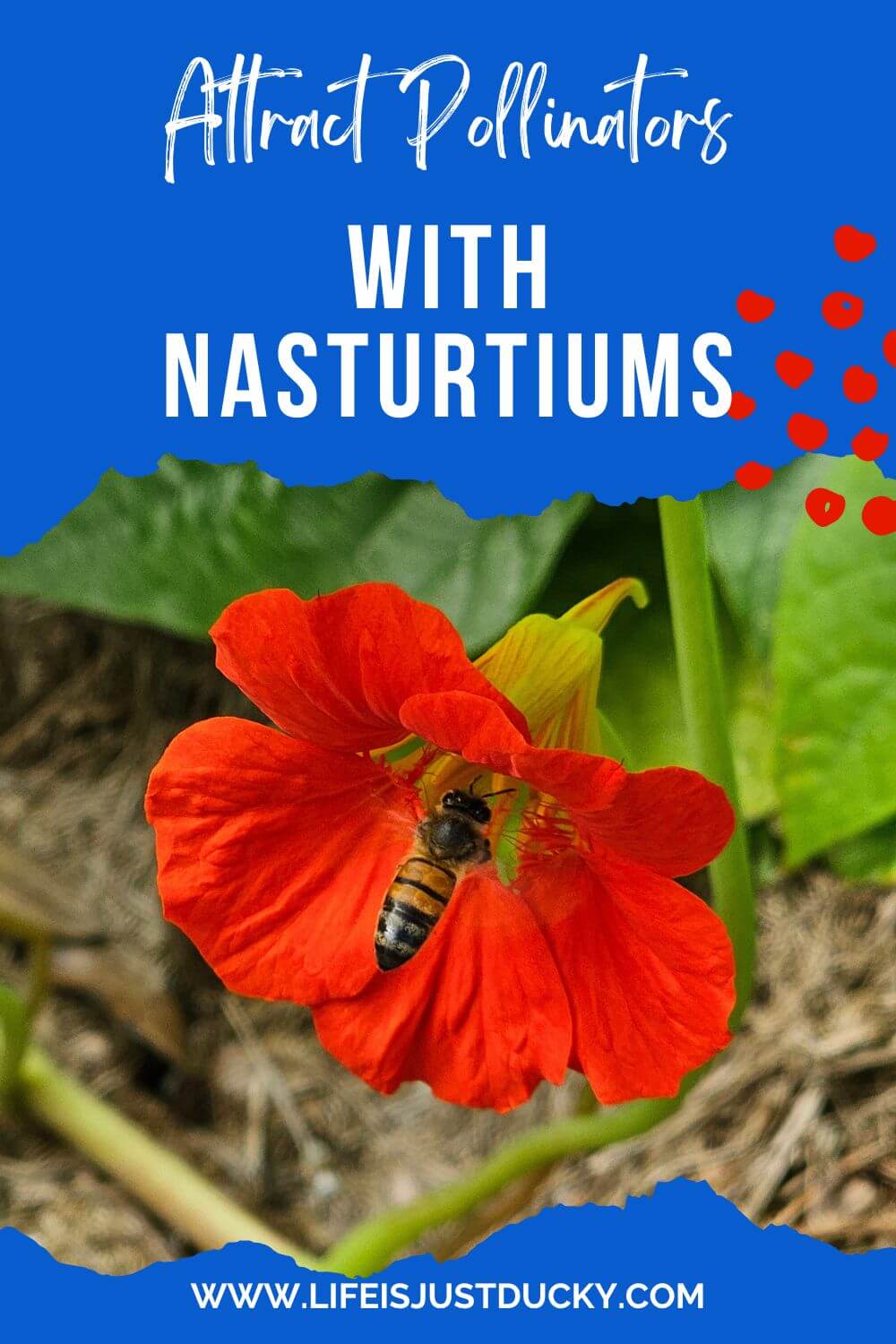
Bees, butterflies, hoverflies, and even hummingbirds are drawn to their brightly colored flowers and sweet nectar. Those pollinators help improve pollination throughout the vegetable garden while adding plenty of activity and beauty.
🌼 From Mary’s Backyard
My bees absolutely love nasturtiums. On warm mornings, it’s common to see several bees working the flowers at the same time. They’re one of my favorite plants to photograph because there’s almost always a busy pollinator visiting the blooms.
A Living Mulch for Your Garden
Nasturtiums don’t just produce flowers—they also create a thick carpet of leaves.
As they spread across the soil, they help shade the ground, slow moisture loss, and reduce weed growth. While they won’t replace traditional mulch, they do provide many of the same benefits while adding beautiful flowers at the same time.
Just remember to give trailing varieties enough room to roam.
By late summer, they can cover quite a bit of ground.
Related>> Mulch for the Vegetable Garden
Even the Toads Appreciate Them
Healthy gardens aren’t just about plants.
The dense canopy created by trailing nasturtiums provides cool, shady hiding places for toads during the heat of the day. Since toads feed on slugs, beetles, ants, and many other garden pests, giving them a place to shelter is another small way nasturtiums help create a balanced backyard ecosystem.
It’s one more reason I always seem to find something interesting hiding beneath those sprawling vines.
Harvesting Nasturtiums
One of the best things about growing nasturtiums is that you can harvest something almost all season long.
The leaves, flowers, and even the immature seedpods are edible, giving you several ways to enjoy the plant throughout the growing season.
Harvest in the morning after the dew has dried for the freshest flavor.
Harvesting the Leaves
Young leaves have the mildest flavor and are perfect for fresh salads or sandwiches. Older leaves become more peppery but are still delicious cooked with other greens or added to stir-fries.
Use clean scissors or garden snips and avoid removing more than a third of the plant at one time.
Harvesting the Flowers
Pick flowers soon after they open for the best flavor and appearance.
The bright blooms make beautiful garnishes for salads, cheese boards, desserts, and even ice cubes for summer drinks.
Harvesting the Seedpods
If you’d like to make “poor man’s capers,” harvest the green, immature seedpods before they harden. They can be pickled and used much like traditional capers.
Or simply leave the seedpods on the plant to mature if you’d rather save seeds for next year’s garden.
How to Eat Nasturtiums
One of the reasons I love growing nasturtiums is that they earn a place in both the flower garden and the kitchen.
The leaves have a peppery flavor similar to watercress or arugula, while the flowers are a little milder and slightly sweeter.
🌼 From Mary’s Backyard
I love tossing nasturtium leaves and flowers into fresh salads. They add beautiful color and just enough peppery flavor to make an ordinary salad feel special. They’re also delicious blended into pesto or cooked with other greens in a simple stir-fry.
You can also enjoy nasturtiums by:
- Adding flowers to sandwiches and wraps.
- Mixing chopped leaves into herb butter or cream cheese.
- Blending flowers and leaves into homemade pesto.
- Cooking the leaves with spinach, kale, or Swiss chard.
- Pickling immature seedpods to use like capers.
- Freezing flowers into ice cubes for summer drinks.
If you’re growing nasturtiums to eat, be sure to avoid using pesticides on or around the plants.
Can Chickens and Ducks Eat Nasturtiums?
Absolutely!
The leaves, flowers, and tender stems are all safe for chickens and ducks to enjoy as an occasional garden treat.
Besides adding color around the coop, nasturtiums provide a little variety in their diet. The flowers and foliage contain vitamin C, beta-carotene, and other beneficial nutrients, making them a nutritious addition alongside a balanced poultry feed.
You’ll often read that nasturtiums have been traditionally used to support respiratory health and overall wellness in both people and animals. While they have a long history in herbal traditions, I simply think of them as another healthy plant I can safely grow for my flock.
Related>> What To Feed Ducks In Your Backyard?
🌼 From Mary’s Backyard
I like planting nasturtiums in containers beside my chicken run. As the vines grow, they naturally weave through the fencing, giving my chickens and ducks a chance to nibble on the leaves and flowers whenever they reach through. It adds a little color to the coop and gives the flock a fresh garden treat at the same time.

Saving Nasturtium Seeds
Saving nasturtium seeds is incredibly easy and one of my favorite ways to prepare for next year’s garden.
As the flowers fade, you’ll notice groups of three large green seedpods forming where the blooms were. As they mature, they turn tan and eventually fall to the ground.
Collect the dry seeds, brush away any dirt, and allow them to finish drying indoors for several days.
Label them with variety and year. Then store them with your other garden seeds in a cool, dry place until planting time the following season.
Although nasturtiums often reseed themselves, I like saving my own seed so I can plant exactly where I want them.
Nutritional Benefits of Nasturtiums
Besides being beautiful and lift your spirit, nasturtiums are surprisingly nutritious.
The leaves and flowers contain vitamin C, beta-carotene (which your body converts to vitamin A), lutein, and several beneficial antioxidants. That’s one more reason they’re such a fun addition to fresh summer meals.
Nasturtiums have also been used in traditional herbal medicine for hundreds of years, particularly in South America and Europe. Modern researchers continue to study their naturally occurring plant compounds, but more research is still needed to fully understand their potential uses.
I simply enjoy them as one more healthy edible plant from the garden.
🌼 Mary’s Favorite Nasturtium Growing Supplies
Frequently Asked Questions
Do nasturtiums come back every year?
In most climates, nasturtiums are grown as annuals. However, they readily self-seed, so new plants often appear the following year. In frost-free climates, they may grow as short-lived perennials.
Do nasturtiums like full sun or shade?
They flower best in full sun with at least six hours of direct sunlight each day. In hot climates like South Florida, a little afternoon shade can help extend their blooming season.
Can you grow nasturtiums in pots?
Absolutely. Bush varieties are excellent for containers, while trailing varieties spill beautifully over the edges of hanging baskets, raised beds, and large planters.
How long do nasturtiums take to flower from seed?
Most varieties begin flowering about five to seven weeks after planting, making them one of the quickest flowers you can grow from seed.
Are nasturtiums edible?
Yes! The leaves, flowers, and immature seedpods are all edible and have a peppery flavor similar to watercress.
Related>> The Beginner’s Garden Jumpstart
Final Thoughts
Every year, when I open another packet of nasturtium seeds, I think about Grandma Brown.
I’m sure she never imagined that one small packet of seeds would stay with me for the rest of my life. She simply welcomed one extra little girl into her family, gave me a place to garden, and shared something she loved.
That simple act of kindness grew into a lifetime of gardening.
Now, every year, I plant nasturtiums around my vegetable garden, tuck them beside my raised beds, scatter their flowers into salads, watch my bees crowd the blossoms, and smile when my chickens and ducks happily nibble the leaves poking through the fence.
It’s funny how one little packet of seeds can grow into so much more than flowers.
If you have children or grandchildren in your life, invite them into the garden. Give them a handful of seeds and a small patch of soil to call their own. Years from now, they may not remember every flower they planted, but they’ll remember the person who handed them a packet of seeds and made them feel like they belonged in the garden.
More You May Enjoy
The Beginner’s Garden Jumpstart.
22 Best Cool Season Vegetables To Grow In Your Garden.
Microgreens – How To Grow Them – The Beginners Guide.
How To Prepare Your Garden For Spring Planting.
Keep Bugs Out Of Your Garden – Naturally!
A Beginners Guide To Herb Gardening.
Happy Backyard Homesteading!

I believe everyone can grow at least part of their own food! Let me show you how.

Mary is a gardener, backyard homesteader, and duck wrangler. She is also the owner and writer of LifeIsJustDucky.com and AGoodWordADay.com. (for daily devotions) Mary is passionate about helping others expand their backyard homesteading skills and learn to be more self-sufficient, no matter where they live.