

Should You Mulch Your Vegetable Garden?
I am a big advocate of mulch. In fact, I cannot imagine gardening without it.
When I first started gardening, I thought mulch was mostly about making garden beds look neat and tidy. It did not take long for me to realize that mulch does so much more than improve the appearance of a garden. It can save hours of work, protect your soil, and help your plants grow healthier.
This post may contain affiliate links. I will be compensated if you make a purchase after clicking on my links. Please read my disclosure if you have questions.
Thank you for supporting this site with purchases made through links in this post. For Starters Here’s My Amazon Store.
Without mulch, I would spend far more time fighting weeds, watering during hot weather, and trying to protect my soil from the harsh conditions in my Florida garden.
A good layer of mulch helps keep weeds under control, conserves moisture, protects plant roots from temperature swings, and feeds the living organisms that make healthy soil possible.
Over the years, I have tried different types of mulch in my own garden. I have learned that the best mulch is not always the most expensive or the most popular. It is the one that works with your climate, your garden, and the resources you have available.
In this guide, I will share why mulch matters, the different types of mulch available, what I use in my own garden, and the materials I avoid.

Why Mulch Matters in a Vegetable Garden
Nature does not leave soil uncovered.
Walk through a forest or an undisturbed field, and you will rarely see bare ground. Leaves, branches, and other organic materials naturally cover the soil, protecting it and feeding the life beneath the surface.
Our gardens need that same protection.
As Justin Rhodes says, “Nature is modest. If you leave her naked, she will cover herself up with weeds.”
I love that description because it is exactly what happens. Bare soil invites weeds. Mulch for the vegetable garden allows us to choose what covers our soil instead of allowing unwanted plants to take over.
Related>> 12 Best Ways To Get Rid Of Weeds In Your Garden. – Naturally
A good organic mulch does far more than suppress weeds. It also:
- Helps the soil hold moisture longer, reducing how often you need to water
- Protects soil from heavy rain and erosion
- Keeps soil from splashing onto plant leaves, which can help reduce some plant diseases
- Moderates soil temperature, keeping roots cooler during hot weather and warmer during temperature swings
- Protects earthworms and beneficial microorganisms from drying out and extreme temperatures
- Provides food for the soil ecosystem as it breaks down
- Improves soil structure over time
Healthy soil is alive. Beneath the surface are millions of microorganisms, fungi, earthworms, and other tiny creatures working together to make nutrients available to your plants.
Mulch creates a more stable environment where those organisms can thrive.
That living soil is one of the biggest reasons I believe every vegetable garden benefits from mulch.
Organic vs. Inorganic Mulch
Mulches fall into two basic categories: organic and inorganic.
Organic mulches, such as grass clippings, shredded leaves, wood chips, and straw, break down over time. As they decompose, they add organic matter to the soil, feed earthworms and beneficial microorganisms, improve soil structure, and help create healthier growing conditions for your plants.
Inorganic mulches, such as plastic mulch and landscape fabric, can still be useful. They are often used to suppress weeds, conserve moisture, and, in the case of black plastic, warm the soil for heat-loving crops. Many commercial growers use these materials for those reasons.
The biggest difference is that inorganic mulches do not improve your soil. They remain on the surface until they are removed and do not contribute organic matter or feed the living organisms beneath the soil.
For my own vegetable garden, I prefer organic mulches because they not only protect the soil but also help build healthier soil year after year.
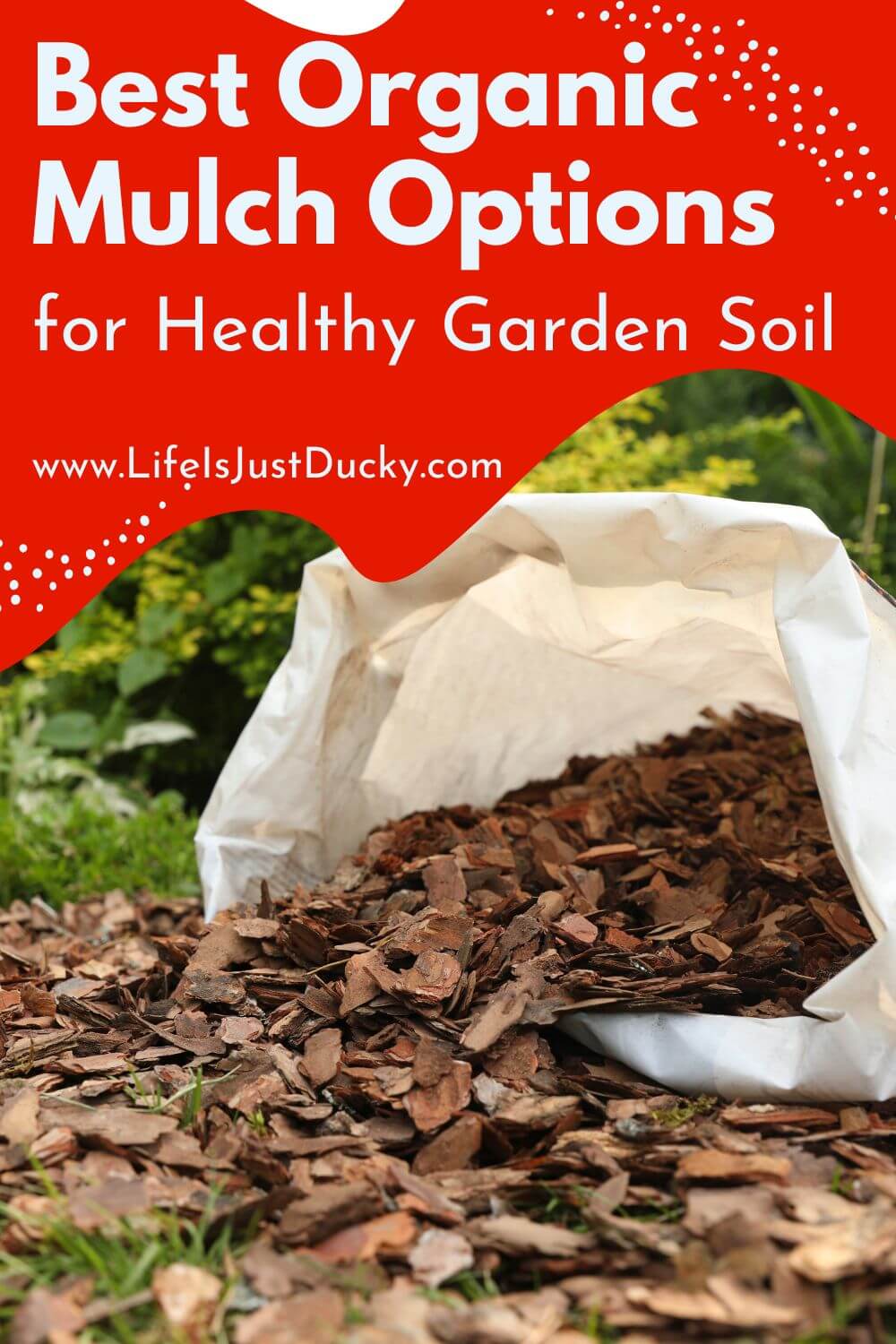
Tools That Makes Mulching Much Easier
Whether you prefer a sturdy wheelbarrow or a heavy-duty garden tarp, having a good way to move mulch around your garden will save your back and make the job much easier.
I use my wheelbarrow all the time for hauling grass clippings, compost, wood chips, and other garden materials. A heavy-duty tarp is another great option, especially for dragging leaves, mulch, or weeds across the yard. It folds up for easy storage, costs very little, and is surprisingly versatile.
Both are useful beyond mulching, too. I use them for cleaning out the coop, hauling compost, collecting weeds, and tackling just about any garden cleanup project. If you’re planning to mulch your garden every year, a quality wheelbarrow or a durable garden tarp is an investment you’ll appreciate for many seasons to come.
The Best Mulches for a Vegetable Garden
There isn’t one perfect mulch for every garden. The best choice depends on your climate, your soil, what materials are available where you live, and your gardening goals. Here are the mulches I recommend most often, along with their advantages and drawbacks.
Grass Clippings
Grass clippings are my favorite mulch because they are free, easy to find, and work very well in my garden.
Since I have a large yard, I have a steady supply throughout much of the growing season. Instead of bagging them up and sending them away, I return those nutrients to my garden.
Grass clippings break down quickly, adding organic matter back into the soil. They help hold moisture and provide protection from the hot sun.
There are a few things to remember when using grass clippings:
- Use only clippings from lawns that have not been treated with herbicides or pesticides.
- Allow fresh clippings to dry slightly before applying them.
- Avoid piling on thick layers of wet grass, which can become slimy and develop an unpleasant smell.
Grass clippings are especially valuable during hot weather when gardens need extra help holding moisture.
Related>> How to Grow Fruits and Vegetables at Home: Beginner Guide to a Productive Garden
Cardboard Under Mulch
One of my favorite garden techniques is using cardboard underneath my mulch. It may not look impressive, but it is one of the simplest and most effective ways I have found to reduce weeds naturally.
The cardboard blocks sunlight from reaching existing weeds and grass, making it much harder for them to grow through. Over time, it breaks down and becomes part of the soil instead of leaving behind a permanent barrier like plastic or landscape fabric.
Cardboard is also much more than a weed barrier.
As it decomposes, it becomes food for the soil ecosystem. Earthworms and beneficial microorganisms help break it down, adding organic matter back into the garden. It also helps keep the soil cooler and protects the living organisms beneath the surface from drying out.
I usually lay cardboard down first, then cover it with grass clippings, shredded leaves, or another organic mulch. The top layer keeps the cardboard in place, improves the appearance of the garden, and continues adding organic matter as it breaks down.

Choosing Safe Cardboard for the Garden
Not all cardboard belongs in your vegetable garden. The goal is to add organic matter, not introduce unwanted plastics, coatings, or chemicals.
Look for:
- Plain brown cardboard
- Boxes with simple black printing or soy-based inks
- Cardboard with all tape, labels, staples, and plastic packaging removed
Avoid:
- Glossy cardboard
- Cardboard with colorful printed designs
- Plastic-coated or laminated boxes
- Wax-coated cardboard
- Water-resistant cardboard
- Cardboard treated with synthetic chemicals
The Organic Materials Review Institute (OMRI) reviews materials used in organic production, and their standards can be a helpful guide when choosing materials for your garden.
The good news is cardboard is often easy to find for free. Many businesses are happy to give boxes away if you save them the trouble of disposal. Appliance stores, furniture stores, body shops, and other businesses that receive large shipments often have plenty available.
A little time collecting cardboard can save you countless hours of weeding while helping build healthier soil.
If you don’t have access to free cardboard, you can also buy rolls of plain brown corrugated cardboard made specifically for gardening.
Shredded Leaves
If you have access to leaves in the fall, consider yourself lucky. Leaves are one of the best free garden resources available.
Shredded leaves improve soil structure, feed microorganisms, and add valuable organic matter as they break down. They are also excellent at protecting soil through the winter.
I prefer shredding leaves before adding them to the garden because smaller pieces break down faster and are less likely to form a thick mat that prevents water from reaching the soil.
A leaf shredder works well, but a lawn mower can do the job too. Simply run over a pile of leaves a few times before collecting them.
If you have more leaves than you can use at one time, save them. Your garden will thank you later.
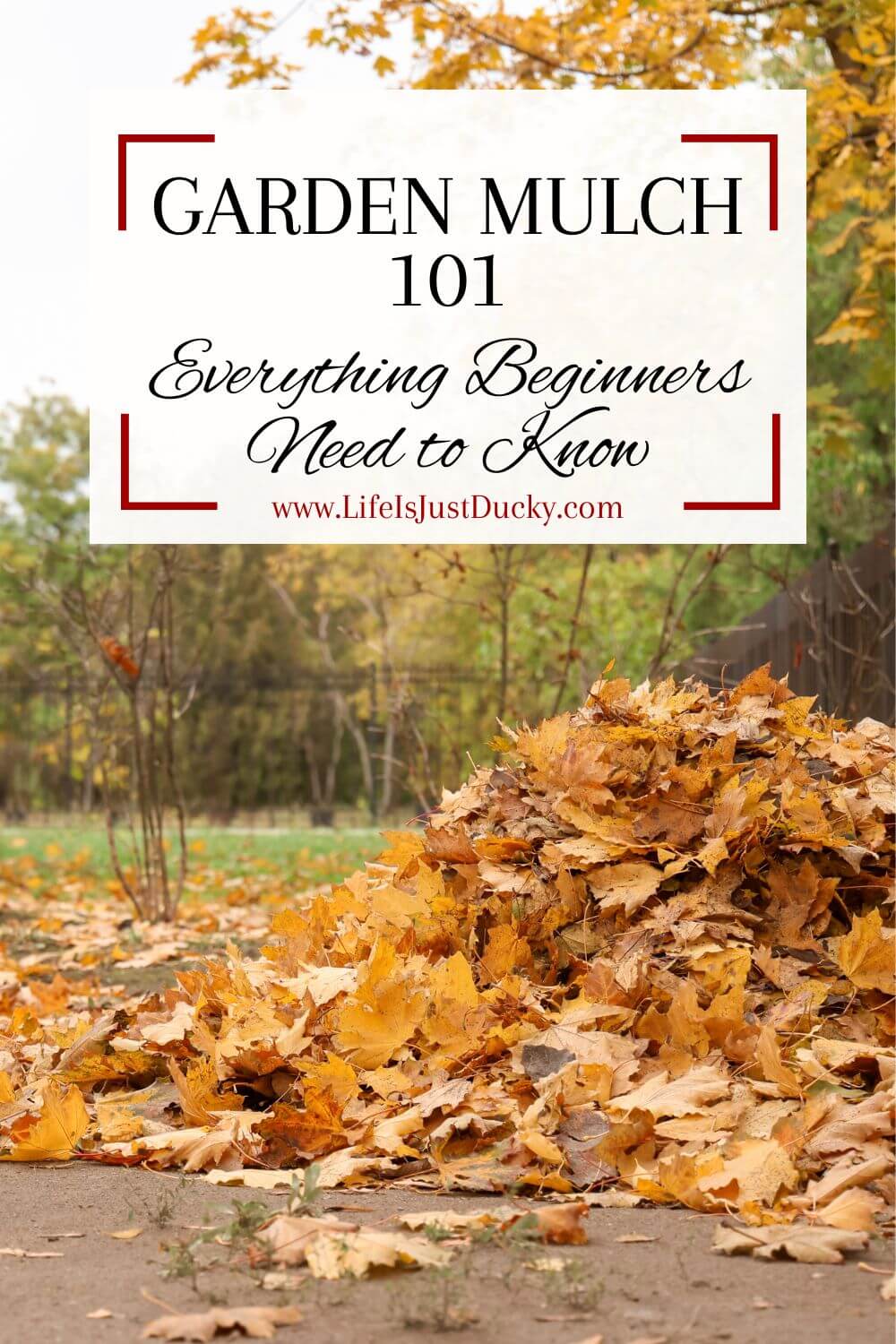
Straw in the Vegetable Garden
Straw is one of the most commonly recommended vegetable garden mulches, especially around tomatoes and strawberries. However, there is something important to consider before adding it to your garden.
Many straw products come from grain crops that may have been treated with herbicides. Some herbicides can remain active after harvest and cause serious problems when that straw is used around vegetables.
For that reason, I do not use straw in my garden. Organic straw is not available where I live, and I prefer not to take the risk of bringing contaminated material into my growing beds.
If you choose to use straw, know your source. Ask how it was grown and whether herbicides were used before bringing it into your garden.
Wood Chips
Wood chips are another popular mulch, but they are often misunderstood.
One of the biggest myths is that wood chips should never be used around vegetables because they “steal nitrogen.” This concern is mostly related to mixing fresh wood materials into the soil, where decomposition can temporarily affect available nitrogen.
When used as a surface mulch, wood chips are a different story.
Wood chips are especially useful for:
- Garden pathways
- Around fruit trees
- Around perennial plants
- Areas where you want long-lasting weed suppression
They break down slowly, which means they do not need to be replaced as often as some other mulches.
For annual vegetable beds, I usually prefer materials that break down more quickly and feed the soil faster, but wood chips can be a valuable part of a backyard garden system.
Pine Needles
Pine needles, sometimes called pine straw, are an excellent mulch if they are readily available in your area.
They stay in place well, making them especially useful on slopes or areas where erosion is a concern. They are also slow to break down compared to leaves or grass clippings.
A common concern is that pine needles will make your soil acidic. While fresh pine needles are slightly acidic, they do not significantly change soil pH once they have aged and are used as mulch.
If pine needles are easy for you to collect, they can be a great free garden resource.
Related>> Composting, How To Make Garden Gold
Compost as Mulch
Compost is one of the best things you can add to your garden, but I do not consider it my favorite mulch for the vegetable garden.
Compost is an incredible soil amendment. It improves soil structure, adds nutrients, and feeds beneficial microorganisms. However, it breaks down quickly and does not provide the same long-term weed suppression as other mulches.
Another concern is that compost can sometimes introduce weed seeds, especially if it has not reached high enough temperatures during the composting process.
I prefer to mix compost into my soil or add it before planting rather than relying on it as my main mulch layer.
Think of compost as food for your soil and mulch as protection for your soil.
Your garden needs both, but they serve different purposes.
Other Mulches You May Consider
Depending on where you live, you may also have access to other materials such as:
- Coconut coir
- Mushroom compost
- Cotton gin waste (can be high in pesticides)
- Nut shells
- Hay (with caution because of weed seeds and possible herbicide contamination)
Always consider where your mulch came from before adding it to your vegetable garden.
A free material is not always a bargain if it introduces problems that take years to correct.

How Much Mulch Should You Use?
The right amount of mulch depends on the material you are using and what you are trying to accomplish.
For most vegetable gardens, a layer of 2 to 4 inches of organic mulch is a good starting point. This is enough to help suppress weeds, conserve moisture, and protect the soil without creating problems with water reaching your plants.
Too little mulch may not provide enough coverage to make much difference. Too much mulch can create overly wet conditions and make it harder for water and air to reach the soil.
There are exceptions. Some gardeners, such as Ruth Stout, used very deep layers of hay as a way to garden with minimal work. Deep mulch systems can work well, but they require a different approach than simply adding a thick layer around established plants.
If you use a very deep mulch system, remember that seeds will have difficulty growing through it. For direct sowing, you may need to move the mulch aside until seedlings are established and then replace it around the plants.
The goal is not to cover your garden with the thickest layer possible. The goal is to create the right environment for your plants and your soil.
Related>> The Beginner’s Garden Jumpstart
When Should You Mulch Your Vegetable Garden?
There is no single perfect time to mulch. The best timing depends on your climate, your growing season, and what you are planting.
Mulching in Spring
In many areas, gardeners wait until the soil has warmed before applying a thick layer of mulch.
This is especially important for warm-season crops such as tomatoes, peppers, and melons. A thick layer of mulch applied too early can keep cool spring soil from warming as quickly as it needs to.
Once your plants are established and the soil is warm, mulch helps maintain the moisture and temperature conditions your plants need.
Mulching During the Growing Season
Adding mulch during the growing season is one of the easiest ways to make gardening less work.
As temperatures rise, mulch slows evaporation and protects plant roots from extreme heat. This is especially important in hot climates like mine.
Florida summers can quickly dry out exposed soil, but a good layer of mulch helps keep the ground cooler and allows moisture to last longer.
Related>> Garden Soil 101: How to Build Healthy Soil for a Thriving Garden
Mulching Your Garden for Winter
Mulch is not just for the growing season. One of the best things you can do for your garden in the fall is cover your soil before winter arrives.
Many gardeners clean out their beds in the fall and leave the soil bare until spring. However, bare soil is vulnerable to erosion, nutrient loss, and damage from temperature changes.
Winter rains can wash away valuable topsoil, and repeated freezing and thawing can disrupt soil structure.
A layer of organic mulch acts like a blanket over your garden beds. It helps regulate soil temperature, reduces erosion, and protects the earthworms and beneficial microorganisms that continue working beneath the surface even when your garden is resting.
Winter mulch can also make your spring garden easier to prepare. As organic materials break down, they add organic matter and improve soil structure, creating a healthier growing environment for your plants.
This is also one reason I prefer not to disturb my soil more than necessary.
Healthy soil has layers of organic matter, fungi, microorganisms, and tiny creatures all working together. Tilling can disrupt that system by breaking apart soil structure and disturbing the life beneath the surface.
That does not mean every garden should never be tilled. Some gardeners have good reasons for tilling, especially when starting a new garden bed or correcting certain soil problems.
However, before reaching for the tiller every spring, consider whether your garden might benefit from a more natural approach of protecting and building your soil over time.
Related>> Is Tilling Your Vegetable Garden Good Or Bad?
Before adding winter mulch, remove diseased plant material and pull weeds that have gone to seed. Then cover your beds with an organic mulch that works well in your garden, such as shredded leaves, grass clippings, or another material you have available.
When spring arrives, your soil will be protected, your garden beds will be healthier, and you will have less work to do before planting.
Related>> How To Prepare Your Garden For Spring Planting

Common Mulching Mistakes
Mulch is one of the easiest ways to improve your garden, but a few mistakes can create problems.
Piling Mulch Against Plant Stems
One of the most common mistakes is creating a “mulch volcano” around plants.
Keep mulch pulled back slightly from the stems of vegetables, shrubs, and trees. Constant moisture against stems can encourage rot and disease.
Using Contaminated Materials
Free mulch is wonderful, but know what you are bringing into your garden.
Avoid:
- Grass clippings from treated lawns
- Straw from unknown sources
- Cardboard with plastic coatings
- Treated wood products
- Materials that may contain herbicide residues
A cheap source of mulch is not worth it if it introduces a problem that affects your garden for years.
Applying Mulch Over Dry Soil
Mulch helps hold moisture, but it does not create water.
If your soil is already dry, water thoroughly before adding mulch. Otherwise, you may trap dry soil underneath a beautiful layer of mulch.
Forgetting About Irrigation
If you use drip irrigation or soaker hoses, install them before adding mulch.
Watering through a thick layer of mulch is possible, but placing irrigation directly on the soil surface before mulching is usually more efficient.
Using the Wrong Mulch for the Job
Not every mulch works everywhere.
A long-lasting wood chip mulch may be wonderful for pathways but may not be the best choice for a newly planted seed bed. Grass clippings may be perfect for one gardener but unavailable or unsuitable for another.
The best mulch is the one that works with your garden.

The Best Mulch Is the One You Will Actually Use
After years of gardening, I have learned that the best mulch for the vegetable garden is not necessarily the most expensive or the most popular one.
It is the one you can get easily, use consistently, and feel confident adding to your soil.
For my garden, that usually means grass clippings and cardboard.
Grass clippings are my go-to mulch because they are free, plentiful, and break down quickly while adding organic matter back to my soil. Since I have a large yard, it makes sense to return those nutrients to the garden instead of sending them away.
I also use cardboard underneath my mulch, especially when preparing new beds or fighting stubborn weeds. It is inexpensive, easy to find, and works beautifully with organic mulches on top.
I do not use straw because I cannot reliably source organic straw in my area, and I do not want to risk bringing herbicide residues into my vegetable garden.
The wonderful thing about gardening is that you do not have to copy someone else’s exact system.
A gardener with a large supply of leaves may create a beautiful garden with leaf mulch. Someone surrounded by trees may never need to buy mulch. Another gardener may have access to clean wood chips or another local resource.
The best mulch is the one that fits your garden, your climate, and your resources.
The important thing is to cover your soil.
Your garden will be healthier, your plants will be happier, and you will spend far less time fighting weeds.
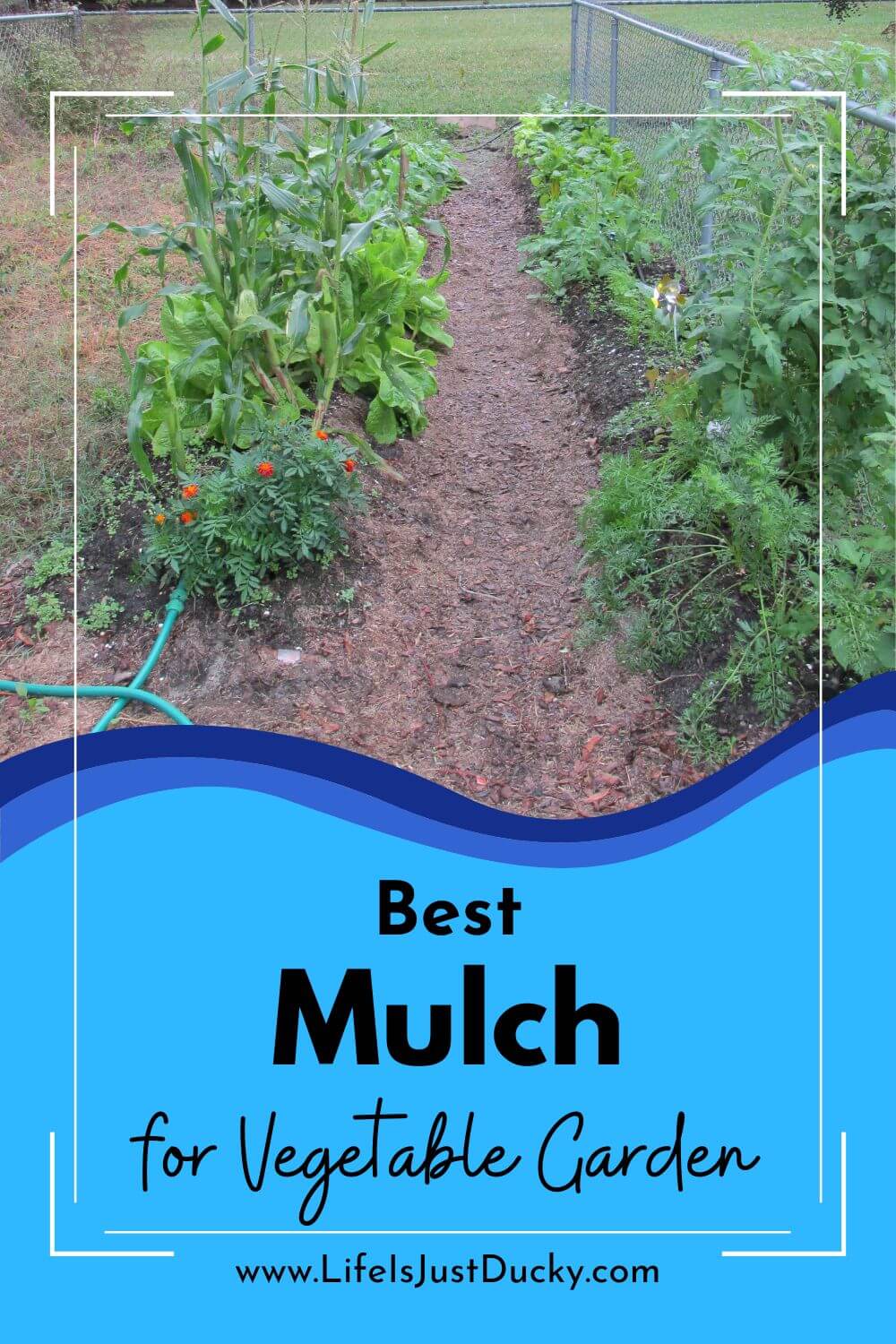
Frequently Asked Questions About Vegetable Garden Mulch
What is the best mulch for a vegetable garden?
The best mulch for a vegetable garden depends on your climate, available materials, and what you are growing. Grass clippings, shredded leaves, cardboard, and other organic mulches are excellent choices because they protect the soil while adding organic matter as they break down.
How thick should mulch be in a vegetable garden?
A 2- to 4-inch layer of organic mulch is usually enough for most vegetable gardens. This provides weed suppression and moisture protection without creating problems with water reaching the soil.
Can you put cardboard in a vegetable garden?
Yes, plain brown cardboard can be used in a vegetable garden as a weed barrier and mulch layer. Remove tape, labels, staples, and plastic coatings first. Cover cardboard with another organic mulch to keep it in place and help it break down.
Does cardboard hurt soil or worms?
No. Plain cardboard breaks down over time and can actually benefit the soil. Earthworms and microorganisms help decompose cardboard, adding organic matter back into the soil.
Can you put mulch over weeds?
Yes, mulch can help smother many existing weeds, especially when combined with cardboard underneath. However, large perennial weeds may continue growing through mulch, and weeds that have already gone to seed can create problems later. Removing large weeds before mulching gives you the best results.
Does mulch attract bugs?
Organic mulch can provide hiding places for some insects, but that does not mean mulch causes pest problems. A healthy garden includes many insects, including beneficial ones. Keeping mulch away from plant stems and avoiding overly wet conditions helps prevent most issues.
Should mulch touch vegetable plants?
No. Keep mulch slightly away from plant stems. Constant moisture against stems can increase the risk of rot and disease.
Can grass clippings be used as mulch?
Yes, grass clippings make an excellent mulch when used properly. Use clippings from untreated lawns, allow fresh clippings to dry slightly, and avoid applying thick wet layers that can become slimy.
Is compost a good mulch?
Compost is excellent for improving soil, but it is not always the best mulch. It breaks down quickly and may not suppress weeds as effectively as other mulches. Many gardeners use compost as a soil amendment and another material as their mulch layer.
Should I remove mulch before planting in spring?
Usually, no. Organic mulch can remain in the garden and continue improving the soil. However, you may need to move mulch aside when direct sowing seeds so young seedlings can emerge.
Does mulch prevent weeds completely?
No mulch prevents every weed, but a thick layer of organic mulch can greatly reduce weed growth by blocking sunlight and making it easier to remove weeds that do appear.
Continue Reading
If you’re building a healthier vegetable garden, these articles will help you take the next step:
- Keep Weeds Out of the Garden Naturally – Learn natural ways to reduce weeds before they become a problem.
- Garden Soil 101: How to Build Healthy Soil for a Thriving Garden – Healthy plants begin with healthy soil.
- To Till or Not to Till Your Vegetable Garden – Discover the pros and cons of tilling and why protecting your soil matters.
- How to Prepare Your Garden for Spring – Get your garden ready for a productive growing season.
- Composting for Beginners – Turn kitchen scraps and yard waste into one of the best soil amendments you can make.
- Start Seedlings Inside Like A Pro – Growing your own seedlings is an inexpensive way to fill your garden with healthy plants, and they’re even happier when planted into well-mulched soil.
Happy Backyard Homesteading!

I believe everyone can grow at least part of their own food! Let me show you how.

Mary is a gardener, backyard homesteader, and duck wrangler. She is also the owner and writer of LifeIsJustDucky.com and AGoodWordADay.com. (for daily devotions) Mary is passionate about helping others expand their backyard homesteading skills and learn to be more self-sufficient, no matter where they live.


It was interesting to know that mulch can keep the soil cooler than the temperature which is good for crops like melon or tomatoes. I’m interested in looking for plants that my mom can grow in her garden. In case she won’t be able to maintain them, I’ll recommend hiring a gardening service that can mulch her garden for her to keep them healthy.
That sounds wonderful. Bush beans are easy to grow as are greens in the cooler season. Ask her what she likes to eat. Also, an elevated garden will make her gardening chores easier.
Thanks for those measuring tips on how much mulch to use. Whenever I am in a hurry though, I never think it is a bad idea to get a little extra. After all, spreading around organic mulch evenly can take time. Having extra makes it easier I think.
You are absolutely right. There are different thicknesses for different situations. This amount just gives a good starting point for someone who doesn’t know where to start. Experience will always lead you to what is right for your garden.
Thanks to the author for sharing such a great post. The article was very well written and providing great info about mulch . It can be really great for people like me who are looking for grabbing more knowledge about it.
You are very welcome. I’m glad it helped.
This is really appreciated that you have presented this data over here, I love all the information shared. It will be very helpful to understand about mulch. Great post to share, thanks for publishing this here!!
It makes sense to use the manure for enriching the soil rather than acting as a mulch. My parents are thinking about getting some sawdust to act as a mulch for their garden this year. They really want to stay eco-friendly so they need to find a sustainable source for these materials.
Great idea. Just make sure the sawdust does not contain treated wood. Happy gardening!
I live in hot climates. Which reason should I cover the mulch layer on plants?
I live in a hot climate too. I use mulch because it helps keep the weeds down and it moderates the temperature so the soil doesn’t get so hot and it helps the soil retain moisture. I hope that helps.
I like what you said about leaving space between mulch and plant stems to prevent rot. My brother has been telling me about how he wants to start gardening in the spring, and he wants to make sure that his plants are healthy. I’ll share this information with him so that he can look into his options for professionals who can help him with this.
I appreciate you explaining what mulch actually is and what it can do for your garden. My partner and I want to start growing our own food soon. We don’t have a lot of experience though, so all of this is new to us.
I’m glad it helped. You might also like my “The Beginner’s Garden Jumpstart“. It’s full of very practical info for new gardeners.
A great way to get wood chips is through Chip Drop https://getchipdrop.com/ An aborist working in your area will drop wood chips off for free when you sign up with them. They would normally have to haul them to a land fill and pay to dump them.
That sounds great. I’ll have to check that out.
Hi Debbie,
Thanks for stopping by! I guess that wasn’t very clear. I would mix it 3 parts organic mulch and 1 part manure. It also depends on what you are growing. Lettuce and greens need more nitrogen and things like potatoes will grow only leaves if you put that much nitrogen on them. Happy gardening!