
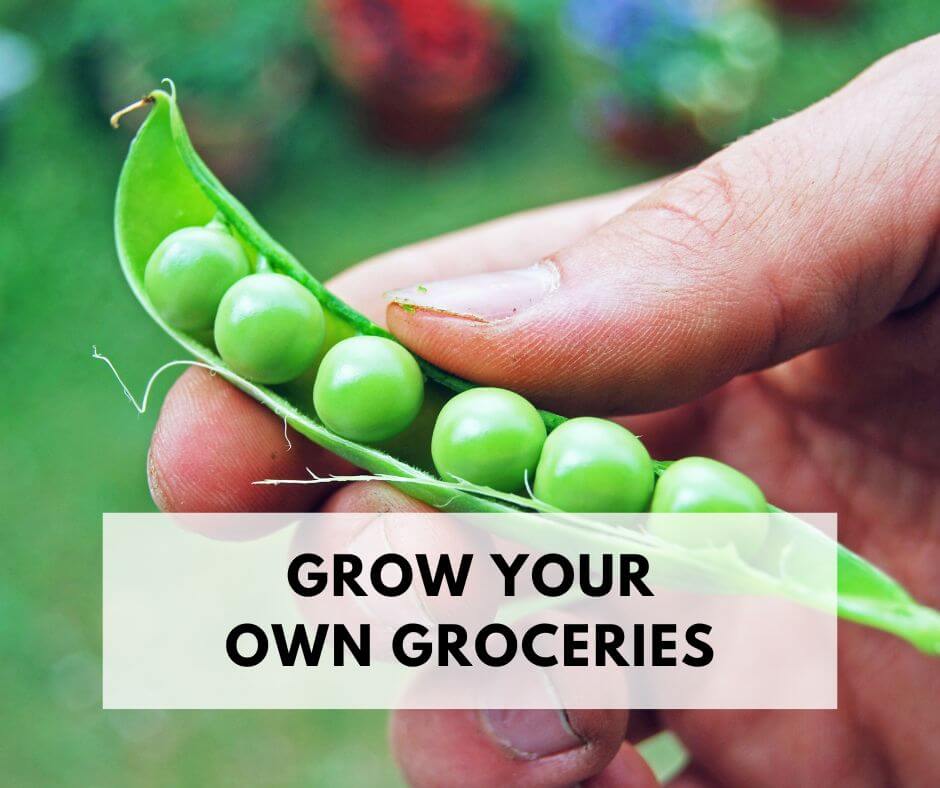
How to Grow Fruits and Vegetables at Home
Growing your own fruits and vegetables at home is one of the most rewarding ways to provide fresh food for your family, save money, and enjoy the outdoors. Whether you have a large backyard, a few raised beds, or containers on a sunny patio, you can grow an impressive amount of food in a surprisingly small space.
Many beginners think gardening is difficult, expensive, or requires acres of land. The truth is, successful home gardening starts with a few basic principles. Give plants sunlight, healthy soil, water, and attention, and they will often reward you generously.
This guide will show you how to grow fruits and vegetables at home, even if you are starting from scratch.
This post may contain affiliate links. I will be compensated if you make a purchase after clicking on my links. Please read my disclosure if you have questions.
Thank you for supporting this site with purchases made through links in this post. For Starters Here’s My Amazon Store.

Related>> The Beginner’s Garden Jumpstart
Why Grow Fruits and Vegetables at Home?
There is something deeply satisfying about stepping outside and picking your own ripe tomato, crisp lettuce, a handful of strawberries, or a bowl full of mulberries. Homegrown produce often tastes better than store-bought produce because it is harvested at peak ripeness.
Growing food at home can also help lower grocery bills. A packet of seeds may cost less than one trip to the produce aisle, yet provide weeks or months of harvests.
Gardening also encourages healthier eating habits. When fresh vegetables are just outside your door, you are more likely to use them in meals.
Other benefits include:
- Less food waste
- More control over pesticides and fertilizers
- Outdoor exercise
- Stress relief
- A useful hobby for the whole family
Start With the Right Growing Space
One of the best lessons I ever learned in gardening was to start smaller than I thought I needed to. My early enthusiasm had me planting more than I could comfortably care for, and I quickly discovered that a small well-tended garden will usually outperform a large neglected one.
Before planting anything, look at the area where you plan to garden. Most fruits and vegetables need at least six to eight hours of sunlight each day. Without enough light, plants may grow weakly and produce little food.
Choose the sunniest spot available. If you have limited space, containers can be placed on patios, porches, balconies, or driveways where the light is best.
Good air circulation helps reduce disease problems, so avoid cramped corners if possible.
If you only have shade, leafy greens and herbs are often your best options.
Related>> Garden Soil 101: How to Build Healthy Soil for a Thriving Garden
Build Healthy Soil First
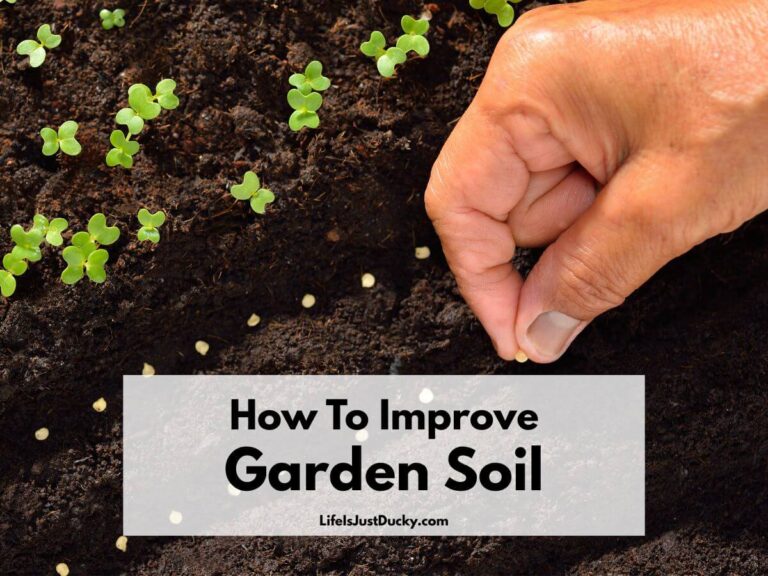
Healthy soil is the foundation of a productive garden. Fruits and vegetables remove nutrients from the ground, so soil needs regular improvement.
Good garden soil should drain well while holding enough moisture for roots. It should feel crumbly, not sticky like clay or loose like dry sand.
Add compost each season to improve texture and fertility. Compost feeds the soil, helps retain moisture, and encourages beneficial organisms.
If your soil is poor or compacted, raised beds can be an excellent solution. They warm faster in spring, drain better, and are easier to manage.
Testing your soil pH can also help. Most vegetables prefer slightly acidic to neutral soil.
Raising composting worms can also be a wonderful way to build healthier soil. Worm castings are rich, natural fertilizer that improves soil structure and supports strong plant growth. A simple worm bin can turn kitchen scraps into one of the best soil amendments a gardener can use.
I learned early that healthy soil solves many gardening problems before they start. Plants placed in tired soil struggled, while those planted in compost-rich beds seemed to grow with far less effort. Improving the sandy soil where I live is an ongoing project.
Some of the healthiest gardens I have grown were not because I bought more products, but because I kept improving the soil year after year. Good soil has a way of making the rest of gardening easier.

Related>> What To Plant In Your Vegetable Garden (A Simple Guide for Beginners)
Decide What to Grow
The best fruits and vegetables to grow at home are the ones your family enjoys eating and those that grow well in your climate.
Many beginners make the mistake of planting too much variety at once. Start with a few reliable crops, then expand each year.
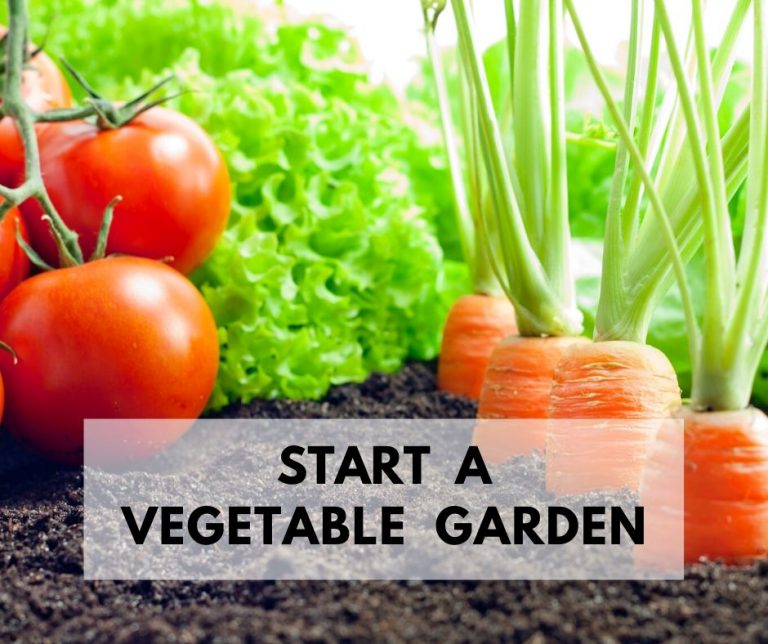
Easy vegetables for beginners include tomatoes, lettuce, radishes, green beans, zucchini, peppers, cucumbers, and carrots.
Easy fruits for beginners include strawberries, blueberries, raspberries, blackberries, figs, and dwarf citrus in warm climates.
Think about how much space each plant needs. A tomato plant may need several square feet, while lettuce can fit in smaller areas.
Many gardeners focus only on fruits and vegetables, but herbs deserve a place in nearly every home garden.

Grow Herbs for Flavor and a Healthier Garden
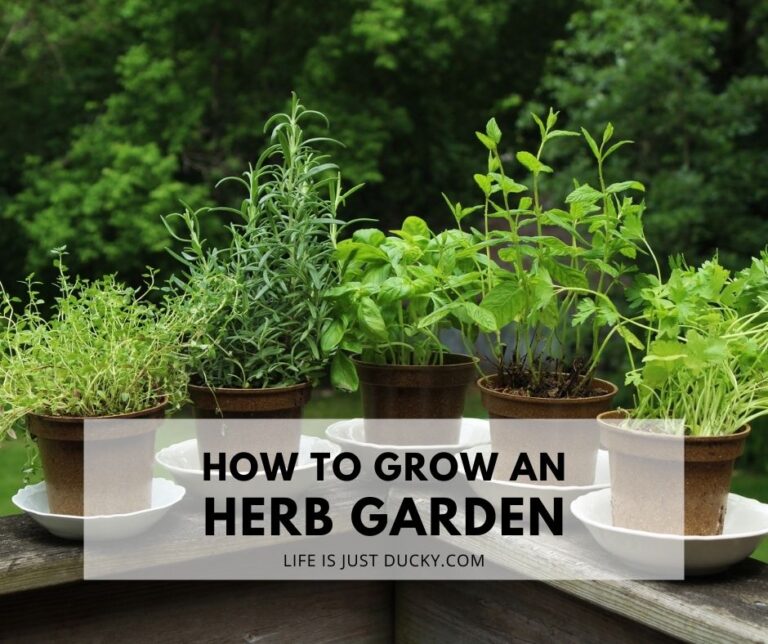
Herbs are some of the easiest and most useful plants to grow at home. Culinary favorites like basil, parsley, rosemary, thyme, mint, and oregano add fresh flavor to meals while taking up very little space in beds or containers.
Many herbs and flowering herbs also benefit the garden by attracting bees, butterflies, and other pollinators. Plants such as dill, chives, lavender, and oregano can help support beneficial insects and fit beautifully into companion planting plans.
I often tell beginners that herbs are one of the quickest ways to feel successful in gardening. They grow fast, smell wonderful, and you can use them almost immediately in the kitchen.
Related>> A Beginner’s Guide To Herb Gardening.
Understand Your Growing Season
Your climate determines when to plant. Some crops prefer cool weather, while others need heat.
Cool-season vegetables include lettuce, spinach, peas, broccoli, cabbage, and carrots. These often grow best in spring and fall.
Warm-season vegetables include tomatoes, peppers, cucumbers, squash, beans, okra, and melons. These thrive after frost danger has passed.
Fruit plants vary widely. Strawberries may fruit in spring, while blackberries and blueberries often ripen in summer.
Knowing your last spring frost date and first fall frost date helps you plan properly.
Choose Perennial Fruits for Your Growing Zone
Unlike annual vegetables that are replanted each year, many fruit plants are perennial. That means they can live and produce for several years, sometimes even decades. Because of this, choosing varieties suited to your climate is one of the most important decisions you can make.
Perennial fruits must be able to survive your winter temperatures, summer heat, humidity, and seasonal weather patterns. A plant that thrives in one region may struggle or die in another.
The easiest way to choose correctly is by using your USDA Hardiness Zone. This zone system helps gardeners understand which plants can survive winter in their area.
For example:
- Citrus trees prefer warm climates and are often grown in Zones 8 through 11.
- Apples usually need winter chill and often perform best in cooler zones.
- Figs tolerate warmth well and are popular in many southern gardens.
- Strawberries grow in a wide range of climates with proper care.
- Blackberries and raspberries vary by type, so always check the plant label.
- Blueberries come in different varieties. Some grow well in many cooler and moderate zones, while others will grow in the south.
If you plant a perennial fruit outside its recommended zone, it may survive but fail to produce well. In harsher climates, it may die during winter. In very warm climates, some fruits may not receive enough chilling hours to set fruit properly.
Always read plant tags, seed catalogs, or nursery descriptions before buying. Choose varieties bred specifically for your region whenever possible.
Local garden centers often carry the best choices because they stock plants suited to nearby conditions.
Making the right zone choice at planting time saves money, frustration, and years of disappointment.
Related>> How to Grow A Mulberry Tree

Growing Tropical Fruits at Home
If you live in a warm climate, tropical fruits can be some of the most rewarding plants to grow in a home garden. Many tropical and subtropical plants thrive in heat, sunshine, humidity, and long growing seasons. In the right conditions, they often produce abundantly while adding beauty and shade to the landscape.
Popular choices for backyard growers include mango, banana, papaya, pineapple, guava, passionfruit, Barbados cherry, loquat, star fruit, dragon fruit, and many citrus varieties. Depending on your region, you may also be able to grow avocado, sapodilla, lychee, or jackfruit.
When I first began growing tropical plants, I was surprised by how productive some of them became once established. What looked like a small young plant one season often turned into a generous producer the next. Many tropical fruits reward patience, and once mature, they can provide harvests year after year.
Some of the easiest tropical fruits for home gardeners include:
Mango
Mango trees are beloved for their fragrant blossoms, glossy leaves, and sweet fruit. In frost-free areas, they can become long-lived and highly productive trees. Dwarf mango varieties are also available for smaller yards.

Papaya
Papaya is fast-growing and often begins producing fruit sooner than many perennial plants. It enjoys warmth, rich soil, and steady moisture.
Barbados Cherry (Acerola Cherry)
Barbados cherry is one of the best tropical fruits for home gardeners. It grows quickly, fruits heavily, and produces bright red cherries packed with vitamin C. Many gardeners appreciate how often it can produce during warm weather.
Banana
Banana plants bring a lush tropical feel to any yard. Though technically an herb rather than a tree, bananas grow rapidly and can be surprisingly productive in warm climates with regular watering and feeding.
Pineapple
Pineapple is an excellent choice for small-space gardeners. It can be grown in containers, raised beds, or directly in the ground in warm regions.

Guava
Guava trees are productive, fragrant, and adaptable. Many varieties grow well in home gardens and can be pruned to stay manageable.
Citrus
Lemons, limes, oranges, mandarins, and other citrus varieties are favorites for backyard gardeners in warm climates. Many also grow well in large containers.
Muscadine Grapes
Muscadine grapes are an excellent fruit for gardeners in warm and humid climates, especially across the southern United States. Unlike many traditional grape varieties, muscadines tolerate heat, pests, and disease exceptionally well. They produce sweet, thick-skinned grapes that are delicious fresh and popular for juice, jelly, and homemade wine.
Muscadine vines need strong support such as a fence, arbor, or trellis, and once established, they can become long-lived and highly productive. They thrive in full sun and well-drained soil, making them a dependable backyard fruit for many southern growers.
What Tropical Fruit Needs
Tropical fruits usually appreciate warm temperatures, full sun, good drainage, consistent moisture, and protection from rare cold snaps. In areas where temperatures occasionally dip, covering plants or using frost cloth can help protect tender growth.
Even gardeners outside tropical regions can often grow some varieties in containers and move them indoors or into sheltered areas during winter. Dwarf citrus, pineapple, and some guava varieties are especially popular for container growing.
If your climate allows it, tropical fruit plants can become some of the most exciting and beautiful edible plants in the garden. They provide shade, fragrance, flowers, and fresh harvests while turning an ordinary yard into something that feels like a tropical paradise.
Related>> Start An Instant Garden, Build And Plant The Same Day

Quick Tip for Small Space Gardeners
If you live outside the recommended zone for a fruit plant, containers can sometimes help. Dwarf citrus, figs, and berries are often grown in pots and moved indoors with a sun lamp, so it can be protected during cold weather.
Seeds or Plants?
Both seeds and starter plants have advantages.
Seeds are affordable and offer the most variety. Crops like beans, carrots, radishes, cucumbers, and squash often grow well when direct-sown into the garden.
Starter plants save time and are ideal for slower-growing crops like tomatoes, peppers, eggplant, and many herbs.
Many gardeners use both methods for the best results.
Planting the Right Way
Always follow spacing recommendations. Crowded plants compete for sunlight, nutrients, and airflow.
Plant seeds at the proper depth. As a rule, deeper is not better. Tiny seeds need only light covering.
When transplanting seedlings, water them well after planting and protect them from strong afternoon sun for a day or two if needed.
Mulch around plants with straw, leaves, or grass clippings to conserve moisture and reduce weeds.
Related>> Mulch For Your Vegetable Garden
Watering for Better Harvests
Consistent watering is one of the keys to healthy fruits and vegetables.
Shallow daily watering encourages weak roots. Instead, water deeply so moisture reaches lower soil levels. This helps plants become stronger and more drought tolerant.
Morning is usually the best time to water because leaves dry quickly, reducing disease problems.
Containers dry out faster than garden beds, so they often need more frequent watering.
Watch for signs of stress such as wilting, yellowing leaves, blossom drop, or bitter produce.
I have also learned that many garden problems look worse than they are. More than once, a plant that seemed finished after heat or dry weather bounced back beautifully once it got deep watering and a little time.

Feed Your Plants Naturally
Heavy-feeding crops such as tomatoes, corn, squash, and peppers benefit from added nutrients during the season.
Compost, aged manure, fish emulsion, worm casting, and balanced organic fertilizers are common choices.
Too much fertilizer can create lush leaves but little fruit, especially with excess nitrogen.
Leafy greens often appreciate more nitrogen, while fruiting crops need balanced feeding.
Related>> It’s Easy To Start Raising Worms, Red Wigglers
Keep Weeds Under Control
Weeds compete with crops for water, nutrients, and sunlight. The easiest time to control weeds is when they are small.
Mulching greatly reduces weed growth. Hand pulling after rain or watering is easier because the soil is softer.
Do not allow weeds to go to seed, or you may create future problems.
Related>> Hand Pollination: How To Increase Garden Yields Naturally
Prevent Common Garden Problems
Even healthy gardens face challenges. Most issues can be reduced through prevention.
Rotate crops each year when possible. Avoid planting tomatoes in the same place season after season.
Water the soil rather than wetting leaves.
Give plants enough spacing for airflow.
Inspect plants regularly for pests such as aphids, caterpillars, hornworms, and beetles.
Encourage beneficial insects by planting flowers nearby.
Healthy plants are naturally more resistant to many pests and diseases.
Related>> Keep Bugs Out Of Your Garden, Naturally!
Growing Fruits in Small Spaces
Many people think fruit requires orchards, but small yards can grow plenty of fruit.
Strawberries thrive in containers, hanging baskets, or raised beds.
Blueberries grow beautifully in containers if given acidic soil.
Dwarf citrus trees can be grown in pots in warm climates or moved indoors in cold areas.
Raspberries and blackberries can be trained along fences or trellises.
Espalier fruit trees can be grown flat against walls or fences to save space.
Related>> How To Start Container Gardening Like A Pro
Growing Vegetables in Containers
If you have no yard, containers can still produce abundant food.
Tomatoes, peppers, lettuce, herbs, beans, spinach, radishes, and dwarf cucumbers are excellent choices.
Use quality potting mix rather than garden soil in containers. Ensure pots have drainage holes.
Larger containers hold moisture better and support stronger root systems.

Harvest at the Right Time
There is nothing quite like picking a tomato warm from the sun or gathering berries before breakfast. Those small moments are part of what keeps gardeners planting year after year.
Picking produce at the right stage improves flavor and encourages continued production.
Beans are best while young and tender. Zucchini tastes best when smaller. Lettuce should be harvested before it bolts.
Tomatoes taste best when fully colored and slightly soft.
Many herbs become bushier when regularly harvested.
Frequent picking often leads to more production.
There is still something satisfying about walking outside with an empty basket and coming back with dinner in your hands. Even a few tomatoes, peppers, or handfuls of beans can make a gardener feel rich.
Preserve the Harvest
A productive garden can provide more than you can eat fresh. Extra produce can be frozen, canned, dehydrated, fermented, or shared.
Tomatoes can become sauce or salsa. Herbs can be dried. Berries freeze beautifully. Cucumbers can be pickled.
Preserving your harvest extends the value of your garden far beyond the season.
Related>> 16 Top Secrets for Growing Great Tomatoes
Best Beginner Garden Plan
If you are brand new, start small.
Try one tomato plant, one pepper plant, a row of beans, a patch of lettuce, and a few herbs. Add strawberries if you have space.
Success with a small garden builds confidence far faster than being overwhelmed by a giant one.
Final Thoughts
Learning how to grow fruits and vegetables at home does not require perfection. Every gardener learns through seasons of trial and success. Some plants will thrive, others may fail, and every year teaches something valuable.
Start where you are, use the space you have, and plant something edible this season. A single tomato plant or a pot of lettuce can be the beginning of a lifelong harvest.

Frequently Asked Questions
What is the easiest fruit to grow at home?
Strawberries are one of the easiest fruits for beginners. They grow in beds, containers, and hanging baskets.
What is the easiest vegetable to grow for beginners?
Radishes, lettuce, green beans, and zucchini are excellent beginner choices.
How much sunlight do fruits and vegetables need?
Most need at least six to eight hours of direct sunlight daily.
Can I grow food in containers?
Yes. Many fruits and vegetables grow very well in pots and containers.
How often should I water a vegetable garden?
Water deeply when the soil begins to dry. Frequency depends on heat, rainfall, soil type, and container size.
Is raised bed gardening better?
Raised beds improve drainage, warm faster, and are easier to maintain, especially in poor soil areas.
Do I need fertilizer?
Many gardens benefit from compost and occasional fertilizer, especially heavy-feeding crops.
Happy Backyard Homesteading!

I believe everyone can grow at least part of their own food! Let me show you how.

Mary is a gardener, backyard homesteader, and duck wrangler. She is also the owner and writer of LifeIsJustDucky.com and AGoodWordADay.com. (for daily devotions) Mary is passionate about helping others expand their backyard homesteading skills and learn to be more self-sufficient, no matter where they live.


I enjoyed how this article keeps the focus on making home gardening feel achievable instead of complicated. Growing your own fruits and vegetables can seem overwhelming at first, but the practical advice here makes the whole process feel more realistic and rewarding. Definitely a motivating read for anyone wanting to live a little healthier and more self-sufficiently.
Thank you for your encouraging words. I hope it helps you grow more of your own food.