

Spring is when a gardener’s thoughts turn to sowing the first seeds of the year. This is the time for cool season vegetables.
When spring is just around the corner, a gardener can get a bit anxious to start planting. But not all vegetables are as eager to get into the cold ground and start growing. Some downright hate cold ground. Luckily, there are cool season crops that thrive in the chill of early spring, and then again in early fall.
Because vegetables have temperature preferences, crops sort themselves into two distinct categories: cool season (for spring and fall) and warm-season (for summer). Planting in the proper season is one of the first steps to a successful garden.

This post may contain affiliate links. Please read my disclosure if you have questions.
Thank you for supporting this site with purchases made through links in this post. Here’s My Amazon Link

Related: 12 Best Hot Weather Vegetables.
What Is A Cool Season Vegetable?
No matter how big or small your garden is, for successful vegetable gardening it is crucial to know the difference between cool season vegetables and warm season vegetables.
A cool season crop is exactly what you think it is, a plant that thrives in cooler temperatures (70° F – 21°C or below) and can survive a light frost.
Cool vegetables grow best at temperatures averaging 15° cooler than those needed by warm season types.
These early vegetables not only withstand cold temperatures, but they also need them to germinate, grow, set fruit, and mature.
Some winter-hardy vegetables, such as kale or Brussels sprouts, even benefit from a light frost, as it converts the starches into sugar. By increasing sugar within their cells, the cool season plants are protected from freezing. This is great news for us because those increased sugars make these veggies even more delicious.

When To Plant Cool Season Vegetables
Since the date to start is different for each plant, check the seed packet, catalog, or planting guide in your garden journal for the number of days from frost, for planting.
To get your average last frost date in your area, you can check (if you are in the US) the USDA growing zone map.
Each crop’s planting date can be anytime from a couple of weeks to a couple of months before the last frost date. These crops are often further divided into hardy and semi-hardy categories, depending upon their ability to withstand cold temperatures.
Most cool weather crops germinate in cold soil and mature with cool weather and short periods of daylight, meaning they are perfect for planting in early spring. Early spring vegetables like pea, onion, and lettuce seeds will germinate as low as 35° F. (1° C.), meaning they can go in the ground as soon as it is unfrozen and workable. Most other cold weather food crops will germinate in soil as cold as 40° F. (4° C.). These include many root vegetables and leafy greens.
While most cool weather crops grow best when soil temperatures are between 40 to 70°F (4-21°C), warm season vegetables such as tomatoes and peppers prefer root zone temperatures above 70°F (21°C).
Related: How To Start A Vegetable Garden From Scratch.
The Right Soil Temperatures for Cool-Season Vegetables
It is important to plant cool-season crops early enough in the spring so they can finish growing and be harvested before the temperatures get too warm.
But even very cold-hardy vegetables do not grow much until soil temperatures rise above about 50°F (10°C). Low temperatures restrict the release of nutrients in the soil.
The root zone is measured 4 to 6 inches (10-15cm) below the soil’s surface. It’s easy enough to take your soil’s temperature by using a soil thermometer.
But because weather is never predictable, keep old sheets, cloches or row covers handy in case of an unexpected hard freeze.
Related: 8 Easy Ways To Preserve Your Harvest.
Some Cold Season Crops Can Take The Heat.
While there are some cool season vegetables that can withstand hot weather and will still grow, their quality generally isn’t quite as good. However many cold weather crops just can’t take the heat at all and rapidly bolt and turn bitter.
Bolting is when the plant produces flowers and seeds creating the next generation before the plant dies.
Unless you have a long cool spring season, these are often better vegetables to grow in the fall, when you can grow cool season vegetables again.
Related: The Ultimate Garden Tools List
The Best Vegetables To Plant In Spring
What are some cold weather crops?
The list of cool season vegetables and herbs is pretty long, so choose the ones you like to eat and that grow best in your area.
Amaranth
Amaranth is said to be a warm season plant (and yes it can take the heat) but it holds it’s own with lettuce and other spring greens as one of the first greens in my salad each year. (yummy!) Leave it to grow and it will produce seeds that can be eaten as well.
Very early. Great for adding a bit of “spice” to your salads.
Nutrient packed beets are either loved or hated. But if you don’t like the root, give the greens a try. They are great in a salad.
If you have a good amount of space this is a great vegetable to grow. It’s packed with nutrients and great to eat, cooked or raw. If you cut the “flower” (the part we eat) just below the head and leave the plant in the ground, you can get smaller heads and get a second harvest. Bonus!
[Tweet “The Best Cool Season Vegetables To Plant In Spring. #gardening #vegetablegarden”]
These tiny cabbages take a long time to grow and really benefit from the cool weather. Unless you have a very long spring, give these a try in your fall/winter garden, where they will shine.
Small heads, large heads, smooth or savory, green or purple. There are so many cabbages to choose from. There is something for every garden and can even be used in edible landscaping because they are just that beautiful.
This is a vegetable that can be grown all year, but the cool of spring and fall really sweeten them up. Packed with nutrients, these can even be grown in containers. Just choose the right variety.
Wonderful both raw and cooked. Heads need to be covered (blanched) or they turn yellow.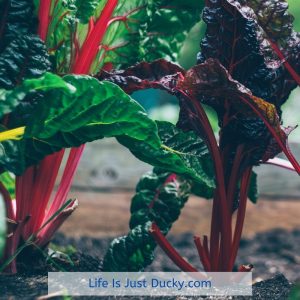
One of the prettiest vegetables. It can be eaten raw in your salad or cooked. One of my favorite ways to eat chard is sauteed with eggs for breakfast.
This is one of my favorite vegetables to grow. Its texture is somewhere between lettuce and cabbage and this makes it excellent to use in stirfries and (my favorite) fried rice. It’s also what is generally used in kimchee. (a lacto fermented vegetable) It can also add a nice crunch to your salad.
Sprinkled on my potato or salad, it’s a great way to add zing to your food. Great cooked in your soup and a beautiful garnish. It’s a good pest repellent too. It can be a beautiful flower garden edging plant as well.
One of the most popular vegetables in recent years due to its high nutrient load. Great raw, cooked, and even dehydrated.
My favorite for making Lacto Fermented Vegetables (think sauerkraut). Slice them thin and they are crunchy, salty goodness on a salad or sandwich. I love the funky “alien” way they look in the garden too.
Leeks have a wonderful delicate onion taste. Fantastic in soups.
This is actually a group of plants. Each one with its own needs and each one a must-have in any kitchen garden. There are few greater pleasure than going out the back door and picking your own salad. But don’t forget lettuce makes a great soup too.
These can be some of your first baby greens of the season. It gets spicier as the season warms. It’s also a great fall garden vegetable to grow.
Onions can be started by seeds, but they take a long time to grow, so many people will buy sets or plants to get a head start on them. One of the most used vegetables in many kitchens (including mine)
English, snap, or snow. All the pea varieties are wonderful. They all need a trellis. I love to pick shoots for my salads and the pods of snap peas are my grandaughters favorite, must grow vegetable. Peas are especially early. You can plant them right in the soil as soon as the ground has thawed. This makes them one of the best vegetables to plant in Spring. But they are equally good in the fall garden.
One of the quickest vegetables to grow. You can eat both the leaves and the root. You can have radish microgreens in a little over a week!
This is my family’s favorite vegetable every holiday. Boil and mash like mashed potatoes, they have a coarser texture, but the sweet flesh melts in your mouth. Gobs of nutrients. With a thick mulch on your fall garden, this vegetable will hold right in the garden well into winter.
Quick growing and full of nutrients. Raw or cooked, you can pick a leaf at a time and the plant will keep on growing.
Both the leaves and the root can be eaten. baby turnip greens make a great addition to your first spring salad.

Cool Season Veggie List That You Can Plant Early, But Can Take More Heat
- Amaranth
- Beets
- Calendula
- Carrots
- Chard (aka Swiss Chard)
- Cilantro
- Collard Greens
- Parsley
- Parsnips
Plan Ahead for an End-of-Year Harvest
Most of the crops listed above can be planted again late in the season as well so you can have a fall harvest. Where you have a short spring, many of these plants may even grow better in a fall garden.
So make sure you have extra space in your garden at the end of the season. By using your garden planner you can plan your garden for succession planting and know just what space you have available for your fall and winter plants.
Be sure to read over the seed packet so you know specific information about the variety you are considering purchasing. For example, not all lettuce is the same. The days to maturity for lettuce can be as short as 40 days or as long as 80 days. Some varieties resist bolting in heat and others tolerate frost.

Which Veggies for Which Season?
By planning ahead you can drastically extend your growing season.
After your early spring garden begins to fade and bolt it’s time for the heat loving plants.
Warm weather vegetables—think tomatoes, peppers, and green beans—are generally planted in late spring, when there’s little chance for frost and the soil has warmed to 50°F.
As cooler nighttime temperatures and sunlight starts to shorten. The heat loving plants respond by slowly reducing their growth.
This is when cool weather crops can shine again. Pop out the spent warm weather plants and make way for plants that love the cooler weather again.
Related: How To Prepare Your Garden For Spring.
Cold Hardy Vegetables for Cool Season Growing
Spring Growing Tips for Cool Season Crops
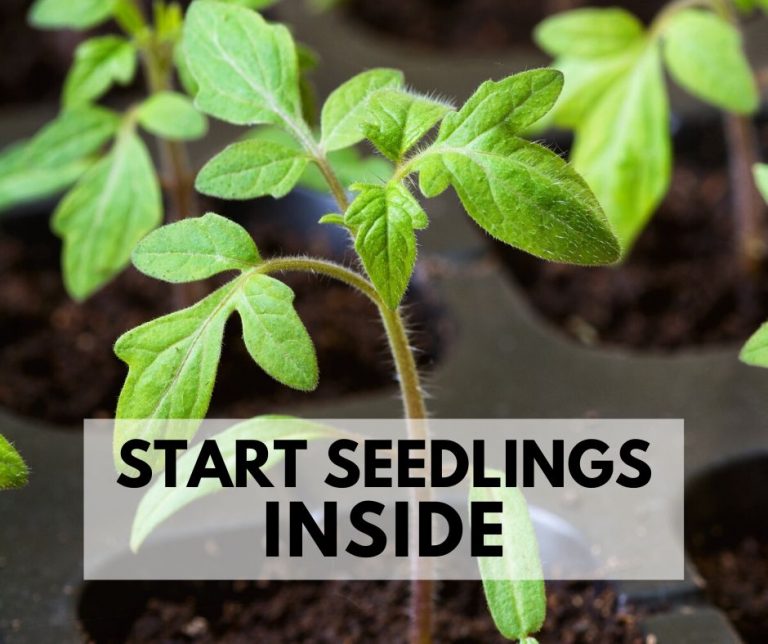
- Sometimes the period between the ground becoming workable and the heat of summer is awfully short. A great way to get a head start is to start your seeds indoors then transplant them as seedlings when the weather is just right. Many cold weather crops can be started indoors six to eight weeks before the last frost date.
- It is essential to harden off indoor-grown seedlings before setting them out in the garden.
- Get a jump on the season and use black plastic to warm the soil.
- Check your soil temperature with a soil thermometer.
- Prepare your soil in the fall so it’s ready to go in the spring.
Fall Vegetable Garden Planting Tips
- Plan ahead for your fall garden.
- Some seeds, such as lettuce won’t germinate when the temperatures are over 80°F. Try starting them inside.
- Harden off your seedlings and plant them into the garden when the weather cools, but before it gets cold. Keep in mind that in the fall, they must be planted early enough to reach maturity before the onset of really cold weather.
- Water well and shade the transplants until they become established.
- Many of these cool season vegetables will withstand light frosts when established, and with row covers, they can continue to produce well into winter. Some may even overwinter and begin growing again when the soil warms in spring.

Container Gardening For Cool Season Plants
These cool-weather plants also grow well in containers, which can make it easier for gardeners, especially if the early spring ground is to wet or too cold to plant in. Besides, if a hard frost sneaks up on you, you can always bring your plants inside for a night or two.
Many gardeners will get a head start on their plants by starting some in containers and moving them outside on nice sunny days.
Related: The Ultimate Beginning Vegetable Gardening Course
By matching the correct plant with the time of year you are planting, you will be ensured to have the best harvest possible!
Did you like this post? Then, I’d love it if you’d share it!
Want some more top posts? Check out this list of Readers Favorites.
Happy Gardening!

I believe everyone can grow at least part of their own food! Let me show you how.

Mary is a gardener, backyard homesteader, and duck wrangler. She is also the owner and writer of LifeIsJustDucky.com and AGoodWordADay.com. (for daily devotions) Mary is passionate about helping others expand their backyard homesteading skills and learn to be more self-sufficient, no matter where they live.


Now I know why some of my garden didn’t to as good as it should have done. Thank you for the good information
Glad I could help. Timing is everything.:)