When starting out as a new vegetable gardener there are a few lessons to learn. One of the first is that there are easy vegetables to grow and there are hard ones.
You will have more success if you get your hands dirty with the easy vegetables first, and after a few successes expand out to growing a few of the more challenging.
Although vegetable gardens are not a plant-it-and-forget-it project, these easy to grow crops will help reduce the workload and maximize yield for your efforts.
As a beginner vegetable gardener, start small. For your first plot, choose a sunny location with good soil. If you don’t have a lot of lawn space to put into a garden, you can even grow most of these vegetables in containers.
In any location, some crops grow better than others, so your garden gets a vote, too!
There is a big difference between gardening in Arizona, Maine, and South Florida. Some varieties will like your site, soil, and weather much better than others. By experimenting you will find what does well in your garden.
For example, if you live in a cool climate your cabbages may grow to the size of basketballs, (or even larger in Alaska!) while a gardener in a hot summer area will have head-high okra.
Everyone will eventually discover some “more difficult” vegetables grow really well for them.
If you are in a cooler area, concentrate on more of the Spring/Fall varieties. However, if you live in the south, you will need to put most of your efforts on the Summer varieties.
Begin with this list to get a few varieties of easy vegetables. These are great places to start with your new garden.
Deep, well-drained soil and a raised bed are a perfect way of growing juicy carrots. Make sure your soil is loose so the roots grow straight.
Although carrots love full sun they can also grow well in partial shade. These easy to grow vegetables enjoy a cool soil (which helps reduce forking of roots) so keep a generous layer of mulch around your plants and water regularly.
To grow the best carrots you will need to sow them directly into your garden beds 3″ to 4″ apart. They don’t like to have their roots disturbed. Sow seeds on top of the soil and lightly cover with dirt 4-6 weeks before your average first frost date.
The seeds can take up to 14 days to germinate and must be kept warm. Some people will place a board over a row of them to hold in the moisture. If you do this, be sure to check it every day and remove the board as soon as you see the first sprout.
Most varieties take 60-80 days before they are ready to harvest.
Did you know you can even eat carrot tops? Try adding them to a salad or your next soup.
Recommended Varieties:
A fun variety to grow is the heritage rainbow blend which comes in a whole range of bright and fun colors.
Danvers is known for its crisp sweetness even in warm weather.
Little Fingers is wonderful in containers or rocky soils.
Lettuce
One of the most basic, quickest, and easiest vegetables to grow are salad greens.
Lettuce needs little more than sun, plenty of water, fertilizer, and weeding for three to four weeks. Many varieties are sold in mixed packages called salad blends or mesclun mixes.
Lettuce doesn’t require a lot of space and can benefit from shady afternoons.
To plant, you can scatter the seeds thinly and thin as they grow, eating the thinnings. Plant 2 weeks before the last spring frost.
A great way to harvest is to pluck outer leaves and let the inner heart of the plant keep growing. This way you’ll be able to harvest leaves over several months instead of just harvesting the lettuce heads once. Start plucking leaves when your plant is 3 to 4 inches tall.
Plant more every 2 weeks until the weather warms. A second crop can be started for fall when the blazing hot weather has passed.
They will even grow in containers. and are very pretty with a flower or two mixed in.
Recommended Varieties:
I love a good Romaine (also called cos) and Paris Romaine is a classic.
Want a good mix? Try the Gourmet/Mesclun Mix. Now That’s Living!
Add a little color with Red Salad Bowl Mix.
DepositPhoto ID#21908997 gpointstudio
Peas
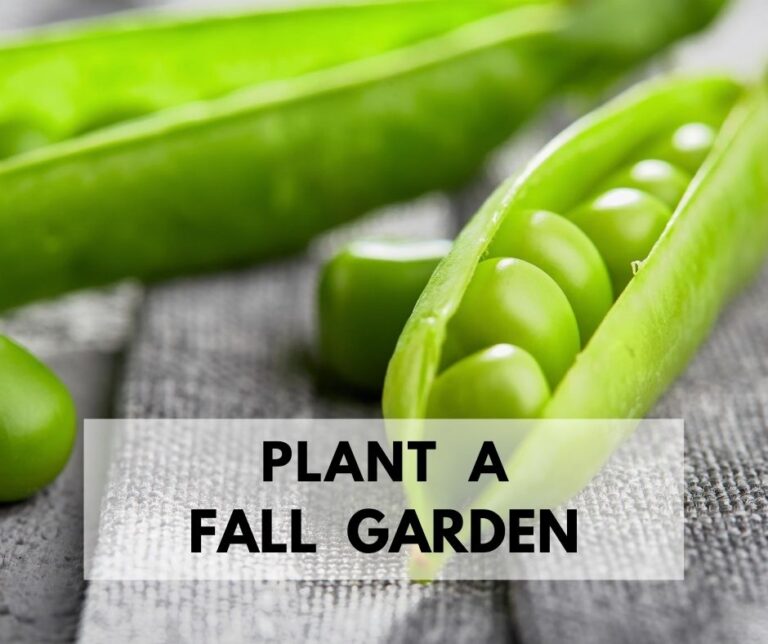
Peas are a trouble-free crop that enjoys cooler weather. Sow them directly into the ground from 4 to 6 weeks before the last spring frost and look forward to the incredible sweet flavor of fresh picked peas.
There are three main types of peas: snap, shell and snow. Depending on the variety that you select, a pea plant can grow as tall as 6 feet. All they need is support for their stems. While vining varieties require full support, bush varieties also appreciate some twigs or strings to ramble up. They just don’t need to be as long.
Pick pods when they are young and tender. The more you pick them, the more they produce!
Most varieties take 50-60 days until the first harvest.
Homegrown peas have so much flavor. They are sweet right from the vine or in a salad and are equally wonderful cooked.
Letting children eat them while they harvest is a great way to get them to eat their vegetables.
Recommended Varieties:
The most popular pea available, and has such a sweet flavor, is Sugar Snap.
Sugar Ann is an award-winning snap pea that grows in a bush form and doesn’t require staking.
Oregon Sugar Pod is a snow pea with excellent flavor.
Spinach is also a quick and easy to grow crop, where the spring or fall is cool. The leaves grow very quickly in cool weather. Spinach is heat sensitive so choose a nice shady place for planting it and water it well.
In mild areas, you may even be able to overwinter spinach with a little protection.
Harvest some leaves beginning at 30 days and regularly thereafter to encourage growth. Enjoy fresh in salads or sauté for breakfast, lunch, and dinner.
Each plant will need about 8 inches of growing space. Plant seeds 4 – 6 weeks before the last frost date.
Cooked or raw, spinach is a powerhouse of nutrition and very high in minerals!
Recommended Varieties:
Noble Giant is extremely delicious and one of the most popular spinach varieties you can grow in your garden.
America is also delicious and is ready to eat in as little as 40 days!
New Zealand Spinach is not a true spinach, but it cooks like and tastes a lot like spinach. But unlike true spinach, it can take some heat.
Swiss Chard
Swiss chard is ridiculously easy to grow and gives a beautiful touch of color to your vegetable garden due to its vibrant appearance. It is an extremely productive vegetable garden plant making it one of the best choices for beginning gardeners.
Swiss chard, sometimes known simply as chard is actually a member of the beet family but is grown for the dark green leaves.
2 – 4 weeks before the last spring frost date sow the seeds 4″ – 6″ apart. Harvest the outside leaves and let the plant keep growing for a continuous harvest.
You can chop the whole leaf and cook it that way and have a little crunch of the stem or you can separate the stem and steam or roast it like you would asparagus.
For more productivity, stick to less showy, white-stemmed varieties that mature quickly and produce a lot of leaves.
I love it sauteed with onions and garlic and served with fried eggs for breakfast.
Recommended Varieties:
Fordhook Giant Swiss chard is an easy-to-grow, cold, and heat-resistant heirloom that does not bolt; it has a mild flavor. You can start this in the spring and grow it all through but the hottest days of summer and grow it again in the fall.
One of the most beautiful varieties of chard isHot Pink.
For added color Rainbow chard is a mixed packet of all the chard colors of the rainbow.
DepositPhoto ID#74226787 natashabreenru
Greens
Greens is a generic term for a whole host of very easy vegetables to grow.
From mustards and collards to dandelion and exotic purslane.
Whichever variety you choose, greens belong in all gardens. They are both beautiful, and very good for you at the same time. Choose the ones you like best and they will keep you in ‘good for you veggies’ for a long time.
Put some bite into your salad or stirfry. As well as some vitamins with Roquette, Arugula.
Green Onions
Give your salads a tangy crunch with some quick-growing spring onions or add color to your soup.
Whether you call them scallions, spring onions, bunching onions, or green onions, these quick producers are a must on an easy vegetables list.
Start planting 3 to 4 weeks before the last frost date.
Plant 2″-3″ apart. You can start harvesting as early as 3 to 4 weeks after planting.
Plant lots because you will want a steady supply for salads, crudite trays, soups, or just about any other dish you cook. They are a wonderful garnish for almost every savory dish.
Recommended Varieties:
Evergreen is a very popular scallion that can withstand cold weather.
Tokyo Long White grows well in containers and is a bit quicker to produce than other varieties.
Try White Lisbon. It is both hot and cold resistant. Plant this for a crop that’ll overwinter.
Of all the easy vegetables, probably the easiest to grow is radishes. And they will likely be the first to pop their little leaves out of the ground.
These tiny jewels are best grown in early spring or late summer. They are sweetest when harvested young. The heat of summer produces spicier radishes.
Radishes are a fast growing cold weather crop that should be planted 4-6 weeks before your average frost date. Succession plant every 2-3 weeks for a longer harvest period.
Plant seeds at least an inch apart. This easy to grow vegetable is great for partial shade as well. Growing in the shade will also make the bulbs less pungent.
These do well in containers as well as garden beds.
Most salad varieties take only 20-40 days until harvest.
Recommended Varieties:
The Sparkler Egg Radish is just as the name suggests, a mix of round red and white radishes. Just what you would expect a radish to be.
A fun variety to grow is this Watermelon Radish which has a fantastic pink flesh and white skin. It’s a show stopper sliced.
A different type of radish is the Daikon Radish. It is fantastic roasted with other root vegetables. It is much milder but takes longer to grow. It gets bigger too. Leave 3″ to 4″ space between each.
In fact, some vegetables will just sit there and pout until the soil warms up enough for them to start growing.
Beans
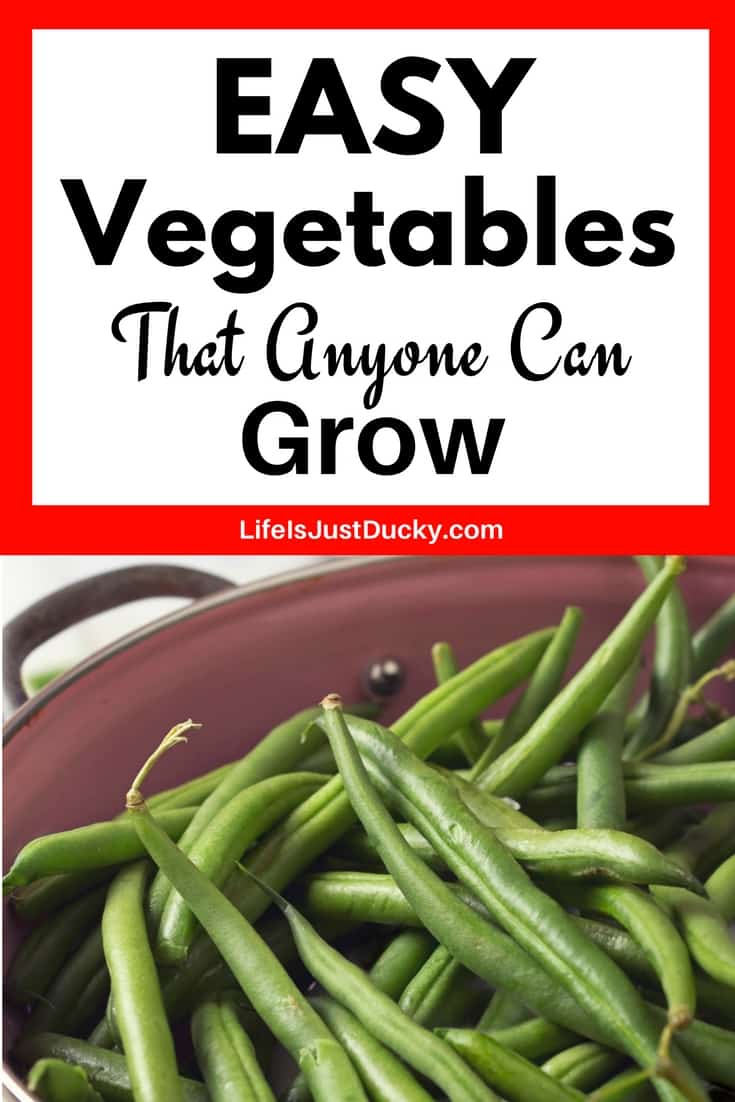
Whether they grow on bushy plants or long vines, beans are a must-have in a vegetable garden.
There are all different types of beans, from snap beans or string beans to shell or whole beans, asparagus beans, lima beans, or black-eyed peas (yeah, they are actually a bean.)
You won’t find more versatile, easy vegetables than beans.
You can grow either a bush bean or a pole bean.
If you choose the pole bean then you will need to have a trellis that it can grow up. I like the pole bean because it can be kind of hard hunting for beans close to the ground with the bush varieties. And because, with a pole bean, you can produce so much in so little garden space.
Pole beans are great space savers as they grow vertically, and are continuous producers when picked often. Once they start producing they will need to be picked every 2-3 days.
Bush beans, on the other hand, do not need a tall support. Just a few sticks will suffice. I have been known to plant them next to my tomato cages and they use the outside of the cages for the little support they need. They also have a shorter growing season.
Bush beans grow very quickly, making them ideal for places that have relatively short growing seasons or when you need to fill a gap in your vegetable garden before the next crop rotation.
For an extended harvest of bush beans sow your beans successively every 2 weeks over the whole season.
All Beans love warm soil. If you are planning to sow them in your garden beds then look for a position that gets plenty of sun and avoid mulching around the plants while the ground is cool. (mulch keeps the soil cool in the spring).
Seeds should be planted in the ground after the danger of frost has passed. Most varieties take 50-70 days until harvest. Space beans about 6 inches apart.
Birds love the freshly planted bean seeds so they may need some protection until they are a few inches tall.
For maximum sweetness and delicate crispness, harvest when they’re small before seed pods form.
Beans thrive in containers if given proper supports.
Beans are a great seed for children to plant since they have such big seeds and are such easy vegetables to grow.
Recommended Varieties:
Blue Lake (Bush) – Excellent flavor with firm texture – Stringless.
Kentucky Wonder (Pole) is one of the oldest and most widely used bean varieties ever grown. Extremely flavorful.
Asparagus Yard-Long (Pole) Very long stringless green beans. Especially good for very warm places.
Deposit photo #63846389 jodiejohnson
Zucchini
Zucchini grows so fast that they are often subjects of gardeners’ jokes.
Zucchini is easily grown almost anywhere. If you have any friends who garden then you’ve probably received a load of free zucchini from them. This is because they are REALLY prolific and grow like crazy.
Zucchini is packed with vitamins and minerals. I love the fact that they grow well in containers and do not require much space.
Rich soil is essential for the best production, so be sure to add a good amount of compost before planting.
There are really only two things that slow zucchini down, powdery mildew and squash bugs, so be sure to check your plants regularly after they start setting fruit.
Seeds should be planted in the ground after the danger of frost has passed. Plant them 2′ to 3′ apart. Yes, that’s feet. One plant can get pretty big. Most varieties take 50-60 days until harvest.
Harvest the plant regularly to make room for new growth as one plant can pump out dozens of tender fruits. If you leave the fruits on the plant for too long they will significantly reduce the growth of new fruits and the big ones tend to get a little tough.
Recommended Varieties:
Black Beauty, An All America Selections (AAS) Winner. Firm, very tender, with excellent flavor
Everybody loves the vibrant colors and flavor of peppers. They add a zest and vitality to the dullest of the dishes. All fruits start off as green and ripen to either red, orange, purple, white, or yellow. They become sweeter as they ripen and each variety will have a slightly different flavor.
Peppers are another heat-loving plant. Plant in the ground after all danger of frost has passed and night temps reach 55 degrees. This includes bell peppers and their hotter cousins, jalapeños, banana peppers, and cayenne peppers.
They prefer moist soil and benefit from being staked as they grow upright. Place them 18″ to 24″ apart. Peppers can be picked at any size you prefer.
California Wonder (sweet) has almost 3 times the vitamin C of the average orange.
Purple Beauty (sweet) grows on a small bush type plant perfect for containers and what a beautiful color!
Jalapeno (hot) is an old standby and very easy to grow.
Pepperoncini (hot) is not quite as hot as some other hot peppers. The peppers are yellow and then turn to red as the sweet flavor intensifies. Excellent when pickled or eaten raw in salads or sandwiches.
Okra
Okra is a heat loving plant that is also drought tolerant.
Seeds can be planted in the ground once night temps reach 55 degrees. You may have to start seeds indoors if you live in a cold climate, to get a harvest before it gets cold again. Plant okra 1′ to 2′ apart.
Plants flower in the early morning. Pick pods when they are young and tender (usually around 3″-5″ in long). Pods will become too tough to eat once they get too long, besides, keeping the okra picked will encourage the plant to keep producing.
Okra is wonderful roasted and my favorite way to eat them is to make them into refrigerator pickles. Yumm!
Recommended Varieties:
Clemson Spineless is an All-America Selections (AAS) Winner for good reason. Not having to deal with those spines is a big plus.
Dwarf Long Pod is shorter and earlier than other varieties but still has a good yield. Great for large containers.
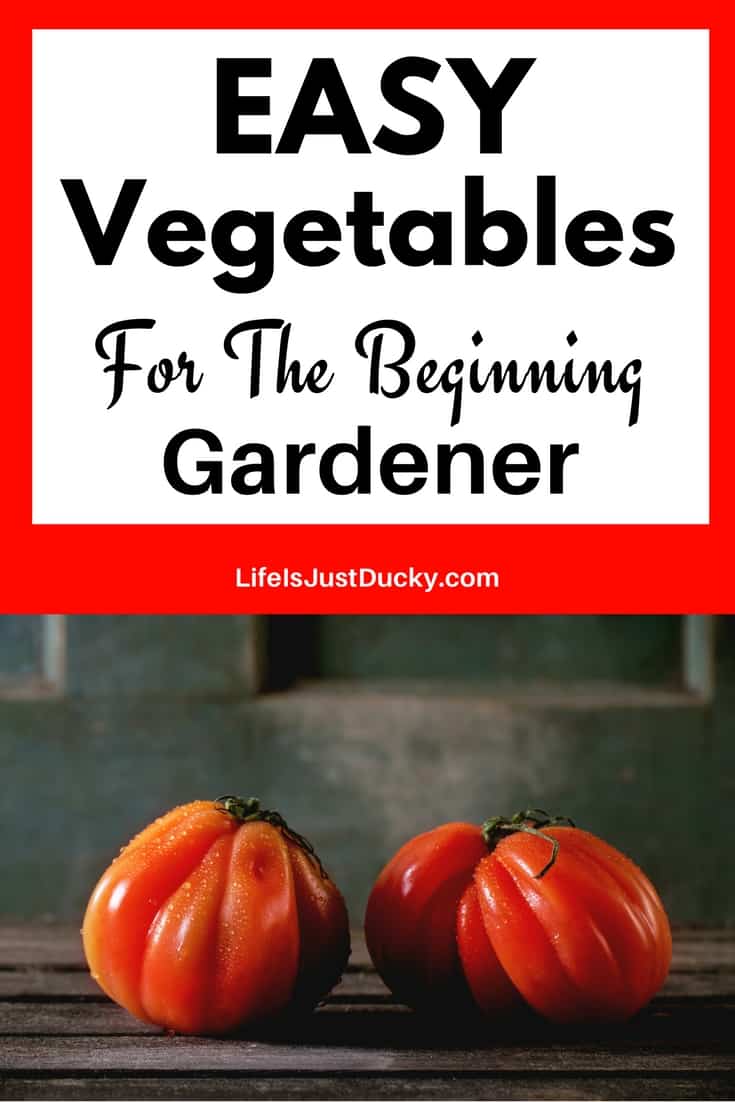
This vegetable garden plant is possibly the most popular crop among gardeners. It’s not as easy as some of the others on this list, but most people have a lot of success with it and one plant can give you a really big harvest.
The larger the fruit and the longer it takes to grow, the more likely you will run into trouble. Early-maturing cherry or patio tomatoes are your best bet.
All tomatoes need is a lot of sunlight and support. As a beginner, you may want to opt for bush varieties because they require less care. And Cherry tomatoes are less fussy and so much fun to pop right in your mouth as your standing in the garden.
Plant tomatoes after the last frost. Plant them 12″ to 24″ apart, depending on the variety.
Recommended Varieties:
Tiny Tim dwarf cherry tomato is an easy to grow tomato that is small enough to grow in a pot or even a hanging basket. Perfect for small gardens.
Floridade is a larger tomato that is very adaptable to different climates. It will set fruit at hotter temperatures than most tomatoes.
Patio Princess is a saladette tomato (smaller than a beefsteak, larger than a cherry) The plant is perfect for a container or a small garden and is the best tasting tomato I’ve ever eaten.
The first tomato I ever grew is still one of my favorites. Super Sweet 100 starts bearing the sweetest cherry tomatoes in only about 65 days (from transplant) and keeps right on giving your hundreds of ‘jump right in your mouth’ goodness. The plant does get big and needs very sturdy support. This is still a must-have in my garden.
Swiss Chard
Yes, Swiss Chard does very well in the cold season garden and it keeps on going most of the way through the summer. This is really a good choice for your garden. It’s an easy vegetable to grow almost year-round.
Mary is a gardener, backyard homesteader, and duck wrangler. She is also the owner and writer of LifeIsJustDucky.com and AGoodWordADay.com. (for daily devotions) Mary is passionate about helping others expand their backyard homesteading skills and learn to be more self-sufficient, no matter where they live.