
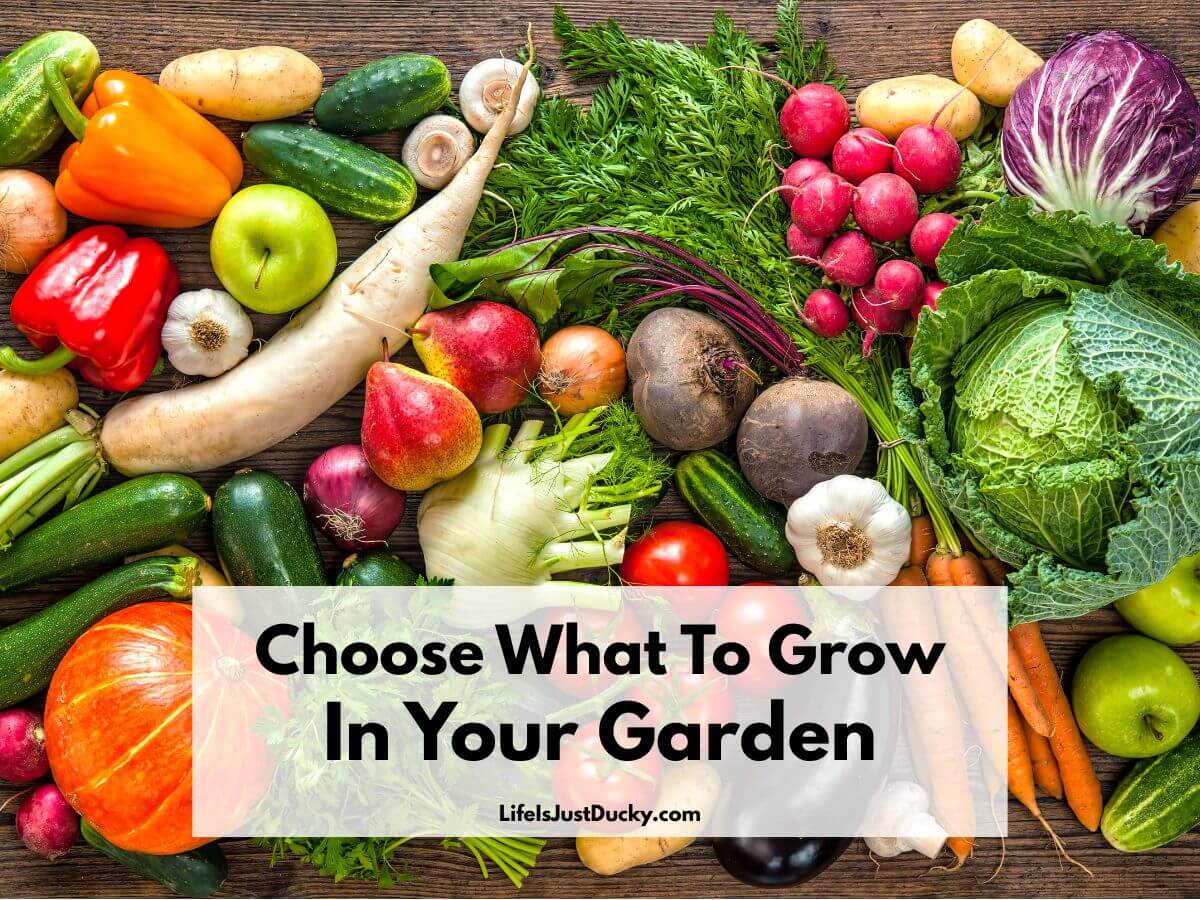
What Should You Plant in Your Garden?
The seed catalogs arrive, and suddenly everything looks like something you need to grow.
There are pages and pages of beautiful vegetables, herbs, and fruits. It’s exciting… and a little overwhelming.
If you’re anything like me, you start thinking, “I could grow all of this.” And technically, maybe you could. But taking care of it is another story.
The truth is, a successful garden isn’t about planting everything. It’s about planting the right things.
If you’re just getting started, these simple guidelines will help you choose what to plant in your vegetable garden so you can actually enjoy the process—and the harvest.
This post may contain affiliate links. I will be compensated if you make a purchase after clicking on my links. Please read my disclosure if you have questions.
Thank you for supporting this site with purchases made through links in this post. For Starters Here’s My Amazon Store.
Start With the Space You Have
The size of your garden plays a big role in what you should plant.
If you have a large area, you have more flexibility. But that doesn’t mean you need to fill every inch of it. On the other hand, if your space is small, you simply need to be more intentional with your choices.
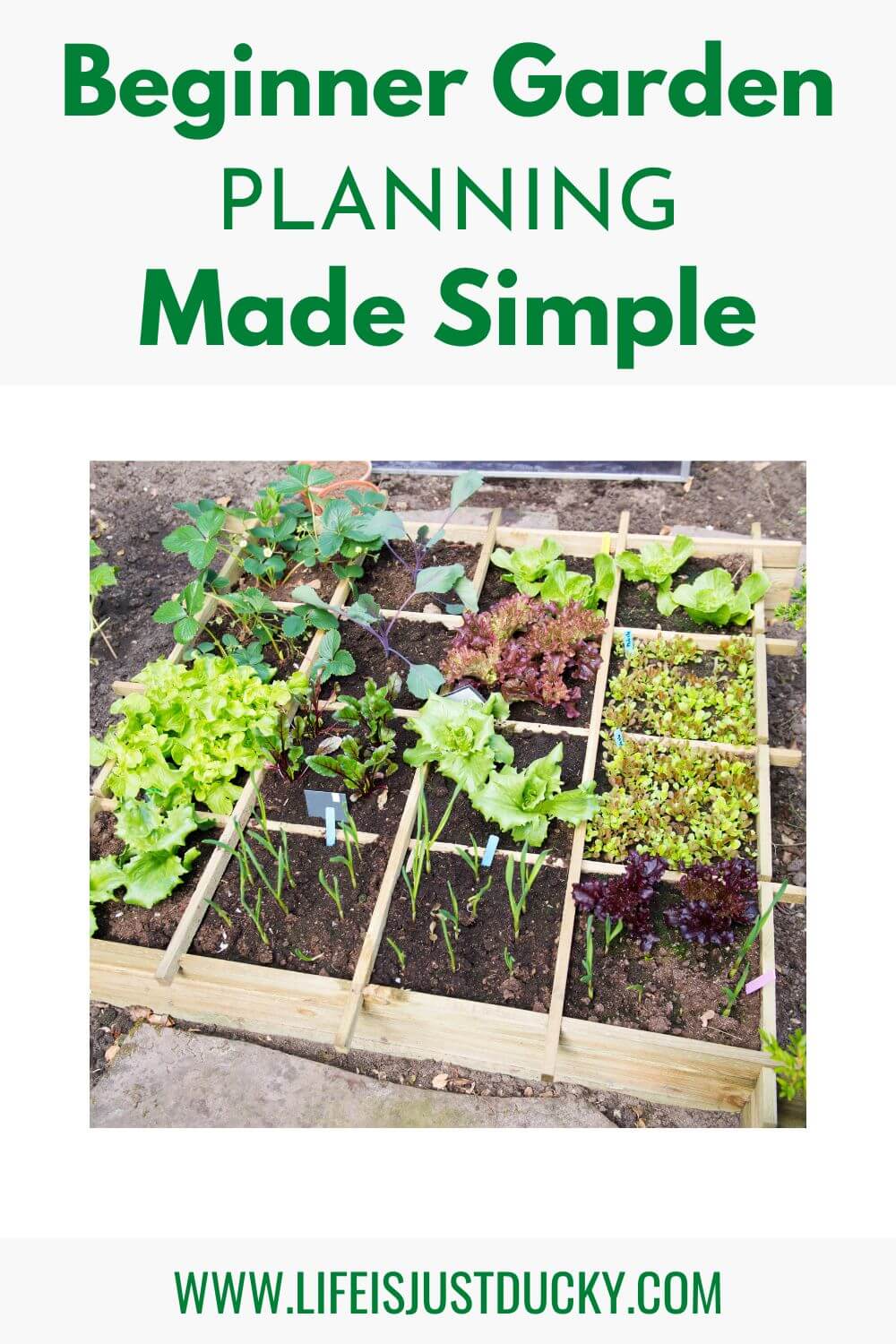
The good news is that you don’t need a big garden to grow food. A small raised bed, a few containers, or even a sunny corner of your yard can produce more than you might expect. What matters most is using your space wisely, not how much of it you have.
Grow What Your Family Will Actually Eat
This one matters more than anything else.
It’s easy to get caught up in trying new or unusual crops, especially when they grow well in your area. But if no one in your household will eat them, they’re just taking up valuable space.
A good way to decide is to pay attention to what you already buy and eat. If you’re unsure about something new, try it from the store first. Cook it, serve it, and see how your family responds.
There’s no point in growing a garden full of food that no one wants. Your garden should support your kitchen, not create more waste.
Related>> Vegetable Gardening For Beginners: How to Start a Garden Successfully
Be Realistic About Your Time
Planting a garden is only the beginning.
Once everything is in the ground, your garden will need regular attention. Watering, weeding, harvesting, and checking for pests all take time. And the larger your garden is, the more time it will require.
If your schedule is already full, it’s better to start small and manageable. You can always expand later once you know how much time you can realistically give to your garden.
Choosing what to plant also means choosing what you can care for.
Related>> 12 Surprising Benefits of Growing Your Own Food
Understand Annuals and Perennials
Not all plants grow the same way, and this affects where you should plant them.
Some crops, like tomatoes and lettuce, complete their life cycle in a single season. Others, like asparagus or blueberries, will continue producing year after year.
Because of this difference, it’s usually best to keep them in separate areas. Annuals are often removed and replanted, while perennials need stability and shouldn’t be disturbed. Keeping them apart makes garden maintenance much easier in the long run.
Grow What Saves You Money
One of the best ways to get value from your garden is to grow what you already spend money on.
Think about the items you regularly buy at the store. Fresh herbs, salad greens, and certain fruits and vegetables can be surprisingly expensive. These are often some of the easiest and most rewarding crops to grow at home.
When you focus on what you already use, your garden becomes more practical and more beneficial.
Grow What You Can’t Easily Find
Another advantage of gardening is access.
There are plenty of foods that are hard to find in grocery stores or are only available occasionally. When you grow them yourself, you always know where to find them.
This could be a unique variety, something cultural or traditional for your family, or simply something your local stores don’t carry. Growing these kinds of crops can make your garden feel even more worthwhile.
Choose Crops That Taste Better Fresh
Some vegetables are good from the store. Others are completely different when picked fresh.
There is nothing quite like a tomato that has ripened on the vine or herbs that were picked minutes before cooking. These are the kinds of crops that remind you why you started gardening in the first place.
When deciding what to plant, it’s worth prioritizing the foods that lose quality quickly after harvest. Those are the ones that truly shine in a home garden.
Plant What Grows Well in Your Area
Your climate will always have the final say.
Some plants simply do better in certain regions. Trying to grow something that isn’t suited to your environment often leads to frustration.
Instead, it’s better to learn what thrives where you live and start there. Local gardeners, nearby farms, and extension offices can all give you insight into what grows well in your area.
When you work with your environment instead of against it, your chances of success go way up.
Don’t Forget the Flowers
Even though you’re planting a vegetable garden, flowers still belong there.
They attract pollinators, help support the health of your garden, and add a layer of beauty that makes the space more enjoyable. A garden that includes flowers often feels more alive and balanced.
Adding just a few can make a noticeable difference.
Try Something New Each Year
No matter how experienced you become, there is always something new to learn in gardening.
Each season is an opportunity to try something different. It doesn’t have to be a large commitment. Even one new plant can teach you something valuable.
Some experiments won’t work out, and that’s part of the process. But every now and then, you’ll discover something that becomes a new favorite.
How to Narrow It All Dow
After considering your space, time, climate, and preferences, you may still feel like your list is too long.
A simple solution is to cut it in half.
This helps you focus on what matters most and keeps your garden manageable. Especially in the beginning, it’s better to do a few things well than to try to do everything at once.
A Simple Place to Start
If you’re still unsure, start with familiar, reliable crops that are known to do well in most home gardens. These tend to be productive, forgiving, and rewarding, which makes them perfect for beginners.
As your confidence grows, you can expand and experiment more each season.
Frequently Asked Questions
What is the easiest vegetable to grow for beginners?
Some of the easiest vegetables to grow are those that grow quickly and don’t require constant attention. Crops like lettuce, green beans, and zucchini are often very forgiving and produce well.
How do I know what grows well in my area?
The best way is to look locally. Nearby gardeners, local extension offices, and even farmers’ markets can give you a clear idea of what thrives in your climate.
How much should I plant for my family?
It’s best to start small. Plant a manageable amount and see how much your family actually uses. You can always increase your garden size in the future.
Should I start with seeds or plants?
Both have their place. Seeds are affordable and work well for many crops, while young plants can give you a head start and are often easier for beginners.
Can I grow a garden without a yard?
Yes, you can. Many vegetables grow well in containers, making it possible to garden on patios, balconies, or small outdoor spaces.
Happy Backyard Homesteading!

I believe everyone can grow at least part of their own food! Let me show you how.
Mary is a gardener, backyard homesteader, and duck wrangler. She is also the owner and writer of LifeIsJustDucky.com and AGoodWordADay.com. (for daily devotions) Mary is passionate about helping others expand their backyard homesteading skills and learn to be more self-sufficient, no matter where they live.

Mary, your site is SO informative and I thank you for that! I have never had a garden before (I live in the Houston suburbs), but while being a novice, my Dad was an excellent gardener and my Mom canned all the veggies. Her dill pickles were to die for! I just wanted to say thank you for all the information you have provided. I’m sure I will be referring to it OFTEN! Judy
Judy, I’m glad you like it. Gardening is so rewarding, whether you start with a pot on the patio or a large garden. Those veggies you grow yourself always taste better. Do you have your mom’s recipe for pickles? Will she share? I’ve never made them and would love to try it out. Thanks for stopping by.
Needing to get some soil to do a pot garden this year. I already have green onions growing 🙂
We need to get you some seeds!
We ordered our seeds a month ago and are eagerly awaiting the time to start them. We are trying a couple new things and I’m going to try to get an herb garden close to the house.
Next to the house is always a good plan. Out of sight out of mind. I love looking at the photos of your goats.