

Yeah, It’s time to prepare your garden for spring!
It’s time to start thinking about what you are going to grow this year. Whether this is your first garden or if you have been gardening for years. Spring is an exciting time of year for gardeners.

DepositPhoto ID#6814778 DLeonisThis was originally posted March 2016 and updated January 2020.
This post may contain affiliate links. Please read my disclosure if you have questions.
Thank you for supporting this site with purchases made through links in this post. Here’s My Amazon Link
Now Is The Time To….
Prepare Your Garden For Spring!
Oooh, what a fun time! It’s time to prepare your garden. You’ve been looking through all the seed catalogs that have come in the mail. Now it’s time to really get serious about this year’s garden. So what do you need to do to get this year’s garden off to a great start? Let me count the ways.
Get Seeds
Looking through the catalogs is not enough. You need to decide which seeds to buy and get them ordered. Like right now! Not sure how to decide which ones to buy this year? (no not one of each. Yes, I know, I want to too!) What to plant in your vegetable garden will give you some ideas to narrow it down.
Decide When To Start The Seeds
For this, you need to know your planting zone and your frost-free date. You can call your county extension service to get an approximate date for your area. Then look at the seed packet to find out when to start them. Are you starting them ahead of time inside? Starting seeds is a good place to check out first. If you are direct sowing there are a few things you need to do first.
Related: How To Start A Vegetable Garden From Scratch.
Check Your PH And Nutrient Levels
One of the most important tasks that you must do to prepare your garden for spring is to check your soil PH and nutrient levels. This needs to be done every year until you have them where they are optimal. You need this information to know what to add to your soil to make it the best it can be for growing your vegetables. And then check the levels every few years while doing the next thing on this list.
While you are at it, check all your soil nutrients. It could save you a lot of money if you don’t have to add unnecessary fertilizers and soil amendments. It also will ensure your plants are grown in the healthiest environment they can be. Healthy soil equals healthier produce.

Enrich The Soil And Turn It
The single most important factor in creating a successful garden is soil preparation.
First, check to see if your soil is dry enough to work it. If you take a handful of dirt and squeeze it, it should crumble and crack apart. If it gushes water and stays in a tight ball, wait! If you work it when it is too wet you can make the structure of the soil worse and it will be hard for your plants to grow in it. Especially if you have clay soil.
When the soil is dry enough to work, spread at least 1″-2″ (more is better) of grass clippings, leaf mold, compost, vermicompost, composted manure, old (organic) hay, or whatever other organic matter you have on hand, on top of your garden and gently turn it into the first few inches of soil. Or you can just leave it on top of your soil.
Your soil needs this every year as rain, snow, and just gravity compacts it. And organic materials continue to break down. If you don’t have enough organic material, you can buy fertilizer and commercial compost. But that is an expensive way to go.
Without a good supply of organic material, your soil will not hold the fertilizer nearly as long and you will have to keep adding it. Your soil will also dry out much quicker. After a few years of adding plenty of organic material, most plants will not require added fertilizer, (just compost & mulch) saving you a ton of money!
Grass clippings are a great source of nitrogen and many other needed nutrients.
Add An Earthworm Tower
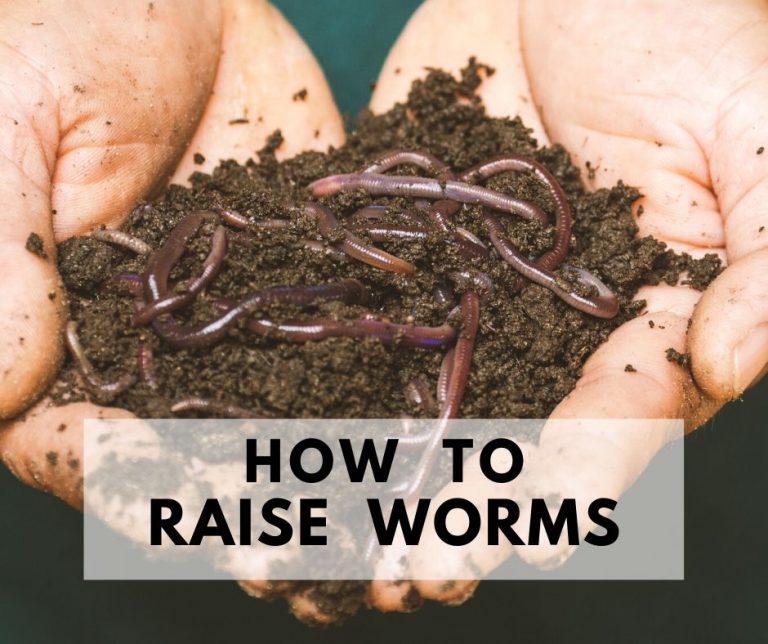
Adding an earthworm tower to your garden is a great way to prepare your garden for spring. With an earthworm tower, you are ensuring that you have worms that will break down what you just worked into the soil.
Earthworms are wonderful for a garden. They turn organic matter into food that the plants can easily use. They bring up nutrients from down deep in the soil. Their travel tunnels bring air and nutrients to the plant’s roots and loosen the soil so the roots can easily spread out.

Photoexpert
Garden Journal
If you haven’t already, start a garden journal. You need to have a plan as to where you planted each plant so next year you can rotate your crops.
You will also want to make notes on what variety you planted so you will know what you really liked and want to plant again. What you didn’t like. What the bugs and diseases liked more than you did. What the weather was like, and so many more things. Trust me, even if it’s just a three-ring binder You need a garden journal.
Mulch
After your plants are in the ground or coming up, don’t forget to mulch. Grass clippings are a great way to keep the soil moist and cool and to add some “slow-release fertilizer” to your plants. Besides they are wonderful at suppressing weeds. If you use leaves, make sure you shred them first as they can become a blanket, not letting moisture through. Wood chips are another way to go.

Companion Plants
Don’t forget the flowers and companion plants. They help to attract the good bugs and scare away the bad. They attract pollinators and can help in so many other ways. Besides just making your garden so much prettier.
Do You Want To Learn How To Garden?
If you don’t know where to get started, come on over and take a beginning gardening class. It will get you started off on the right foot.
Read More About Gardening:
How To Start A Vegetable Garden From Scratch.
12 Ways To Make Weeds Go Away – Naturally.
Start Seedling Inside Like A Pro.
Start An Instant Garden, Build, And Plant The Same Day.
12 Important Steps To Hardening Off Seedlings.
Transplanting Your Garden Seedlings For Success.
22 Best Cool Season Vegetables To Grow In Your Garden.
Did you like this post? Then, I’d love if you share it!
Want some more top posts? Check out this list of Readers Favorites.
Happy Gardening!
 I believe everyone can grow at least part of their own food! Let me show you how.

Mary is a gardener, backyard homesteader, and duck wrangler. She is also the owner and writer of LifeIsJustDucky.com and AGoodWordADay.com. (for daily devotions) Mary is passionate about helping others expand their backyard homesteading skills and learn to be more self-sufficient, no matter where they live.

Have you ever used summer cover crops as mulch in the garden? I am considering this but wonder if they might compete for nutrients.
Hey Chris,
Yes, I have used cover crops. Just do your homework and use the right ones for you situation. Some are great for adding Nitrogen and others do other things. Some should be used in the summer and some during the winter or fall. Some need to be used where the winter will freeze and kill it off so it doesn’t become a weed. They can be wonderful if you use the right one in the right place.
Check, Check, and Check! I guess I’m on the ball this year! We just moved 100 yards of wood chips on Thursday and Friday onto our new 2,000 sq. ft. BTE garden plot! It was quite the job. Next up, get everything in the ground!
It’s a lot of work, but pays off big!