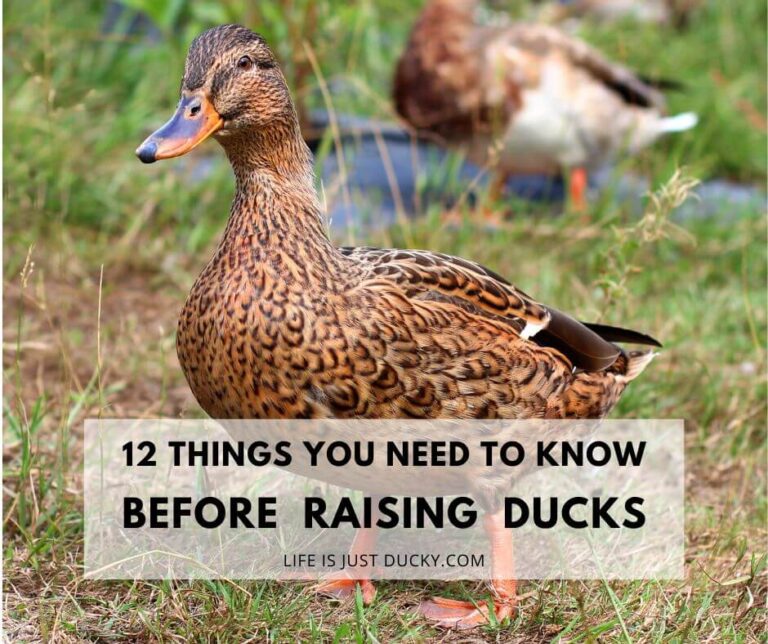

If you’ve ever dreamed of keeping ducks in your backyard, you probably imagine fluffy ducklings, fresh eggs for breakfast, and the soothing sound of gentle quacking at sunset. And you’re right—ducks can bring all of that magic to your homestead.
But before you set up a kiddie pool and bring home your first batch of fluffy ducklings, here’s what most people won’t tell you: ducks are messy but amazing.
This post may contain affiliate links. I will be compensated if you make a purchase after clicking on my links. Please read my disclosure if you have questions.
Thank you for supporting this site with purchases made through links in this post. For Starters Here’s My Amazon Store.
Like, hilariously messy.
Like, “Why is there mud on the ceiling?” messy.
They splash water everywhere, poop constantly, and turn clean spaces into mud baths overnight. And yet, even with all the chaos, they’ll completely steal your heart.
This is the messy, muddy, feather-filled truth about backyard ducks—what you need to know before you bring your first flock home.

What Should You Know Before Raising Ducks In Your Backyard?
Raising ducks from ducklings sounds dreamy. But here’s what new duck keepers often discover: ducklings are much messier than baby chicks, and they grow incredibly fast.
Ducklings don’t just grow fast—they outgrow small spaces super fast too.
A plastic tote or livestock trough lined with puppy pads or pine shavings works better than cardboard. And while elevating their water dishes can reduce the splash zone, nothing will keep ducklings clean and tidy. They grow fast, they outgrow small spaces even faster, and they’ll leave you cleaning often.
Messy? Absolutely. Amazing? Without a doubt.
Related>> Setting Up A Brooder Box For Baby Ducks
Ducklings Are Cute, Soggy, And Also Chaos
If you’ve never raised ducklings before, brace yourself. They are insanely cute. Fluffy, wobbly, always peeping. But they also turn a clean brooder into a swamp faster than you can say “Puddlefoot.”
Unlike chicks, ducklings are obsessed with water from day one. They splash in it, soak their food, and somehow manage to turn bedding into swamp soup within hours.
And yes, they’re still adorable. Just… soggy.
Ducks and Water: Love at First Splash
If there’s one thing ducks can’t live without, it’s water. They need to submerge their heads to stay healthy, but that also means they’ll splash, dunk, and everything nearby will get wet—including your boots, walls, and probably the dog.
You’ll want a system that gives them access to clean water while keeping your backyard from turning into a marsh.
Ducks love mud. They love making mud. And they love sharing that mud with your patio, your coop, and your soul.
The trick is to set them up over gravel or use containers that are light enough to dump and move often or better yet equip it with a drain. Just make sure the water is easy to empty and refill—because you’ll be doing it a lot.
Because no matter what, ducks will find a way to create mud—and then track it everywhere. Ducks are messy but amazing, and watching them splash with joy is proof.
Related>> Do Ducks Need A Pond To Be Happy And Healthy?

The Truth About Duck Poop
Let’s address the biggest question most people ask:
Are ducks messier than chickens?
Short answer: Yes. Long answer: Absolutely yes—but also more fun.
Even more than splashing their water, the number one reason ducks are called messy? Their poop. Unlike chickens, ducks don’t save it for roost time. They poop while walking, swimming, eating, even sleeping. It’s watery, constant, and somehow always ends up where you don’t want it.
You’ll clean out their coop often. You’ll learn what “deep litter” means. You’ll invest in a good pair of rubber boots and never wear your nice shoes near the flock.
And yet, there’s an upside. Duck manure is rich in nutrients and, when composted properly, becomes incredible fertilizer for your garden. What feels like an endless cleaning job turns into one of the biggest benefits of keeping ducks.
Related >> Deep Litter Method
Related>> Composting, How To Make Garden Gold
Messy Eggs, Too
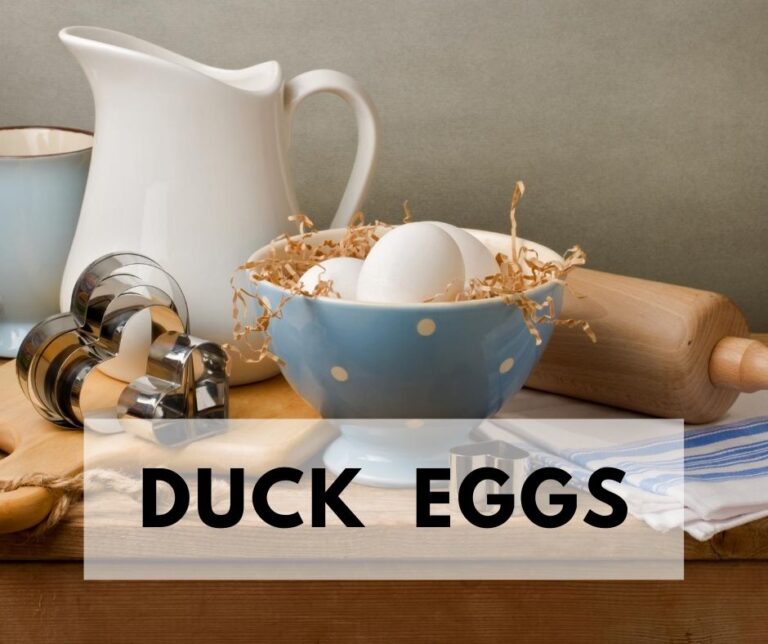
Duck eggs are one of the most rewarding parts of duck keeping. One of the main reasons people raise ducks is for the eggs—and for good reason! Duck eggs are higher in protein, nutrient-dense, delicious, and amazing for baking.
How to get ducks to lay eggs in the nesting box: Unlike chickens, ducks tend to lay early in the morning—often before you let them out. But if they’re free-ranging too early, you might find eggs under bushes, beside the pool, or smack in the middle of a puddle.
To make life easier, keep ducks inside until mid-morning, since they usually lay early. Provide plenty of cozy, straw-filled nest boxes in the coop, and you’ll have a better chance of finding eggs where you want them. Otherwise, egg collecting becomes part scavenger hunt, part mud rescue mission.
Messy? Definitely. But biting into a rich duck egg omelet makes the effort worth it.
Even still, duck eggs are often dirty. Ducks have big muddy feet and lay their eggs and then roll them trying to burry them. Fresh deep litter is a help to keep their feet cleaner.
Related>> Nesting Boxes For Ducks. How To Make Your Own.
Related>> Duck Eggs Or Chicken Eggs, Why Duck Eggs Are Better.

Ducks Have Big Personalities (and Hilarious Habits)
One of the most charming—and unexpected—aspects of raising ducks in your backyard is their big personalities.
They wag their tails like puppies, chatter constantly to each other, and develop strong bonds. Some are bossy, some are shy, and some are just loud. Raise them from ducklings, and you may even become their favorite flock member.
Ducks are expressive, and emotionally intelligent. They are social creatures that do best in groups. If you’re thinking of keeping ducks, plan for at least three or more which helps prevent loneliness and stress.
Their companionship—both with each other and with you—is part of what makes them so special.
Related>> How And Where To Buy Baby Ducks
Related>> Hatching Duck Eggs With An Incubator
Ducks and Lawns: Not Always a Love Story
Backyard ducks don’t just splash water and poop a lot—they also dig. With their bills. In your grass. And garden. And flower pots.
If you’re hoping for a pristine lawn, ducks might not be your dream pet (though they are easier on your lawn than chickens). But with the right setup, you can absolutely raise ducks without completely destroying your yard.
Tips for keeping backyard ducks clean and healthy:
- Designate a duck zone with rotating access to grassy areas
- Use rubber mats or gravel around pools and waterers
- Fence off delicate garden areas
- Hose off high-traffic areas daily in summer
Ducks in the Garden: Pests Beware!
Believe it or not, ducks can be incredible allies in your garden. They love eating slugs, grubs, beetles, and even mosquitoes. But… they also love lettuce, tender sprouts, and juicy tomatoes.
So, how do you let ducks help in the garden without total destruction?
Using ducks for natural pest control in a vegetable garden:
- Wait until plants are mature before letting ducks roam
- Use temporary fencing or duck tractors
- Supervise their visits during slug season
- Rotate them through rows after harvesting
- Plant enough to share
Done right, ducks reduce bugs, boost compost, and make your garden ecosystem more balanced.
Related>> The Beginner’s Garden Jumpstart
They’re Messy. They’re Loud. They’re Worth It.
Here’s the truth no one tells you until you’re ankle-deep in muddy footprints and laughing anyway:
Raising ducks in your backyard is pure chaos—and pure joy.
They make messes and splash like toddlers. But they also lay rich, beautiful eggs, provide endless entertainment, keep your garden free of pests, and might even snuggle next to you in the sun. Once you live with ducks, your backyard won’t feel quite right without them.
They’re hardy, affectionate, funny, and useful. And once you adjust your expectations (and your landscaping), they’ll steal your heart just as quickly as they steal your tomatoes.
There’s nothing quite like a backyard full of quacking, tail-wagging, feathered friends to remind you to slow down and smile.
Related>> Better Flock Health Using Probiotics With Chickens And Ducks.

Related>> Free Range Chickens and Ducks: The Pros, Cons, and How to Do It Safely
The Final Quack: Ducks Are Messy but Amazing
If you’re still wondering, are ducks worth all the mud, water, and poop? The answer is a resounding yes.
Ducks are messy but amazing—chaotic, lovable, and full of personality. They’ll cover your yard in muddy footprints and poop on your patio, but they’ll also provide rich eggs, endless entertainment, and an unexpected kind of companionship.
You’ll never forget the first time they splash with delight, or when they line up like feathered toddlers to greet you at the gate.
If you’re the type who can laugh at the chaos and embrace the mud, backyard ducks will reward you with joy that far outweighs the mess. Once you’ve had ducks, your homestead won’t feel complete without them.
Because yes—ducks are messy, but they’re also nothing short of amazing.
You can start your own flock of ducks. Order your ducklings and supplies from Cackle Hatchery.
More You May Enjoy
The Simple Start Raising Ducks System.
Setting Up A Brooder Box For Baby Ducks.
A Well Designed Duck Coop To Make Your Life Easier.
Duck Eggs vs. Chicken Eggs, Why Duck Eggs Are Better.
Raising Ducks 101 – How To Take Care Of Baby Ducklings.
How To Get Clean Water For My Ducks.
Happy Backyard Homesteading!

I believe everyone can grow at least part of their own food! Let me show you how.

Mary is a gardener, backyard homesteader, and duck wrangler. She is also the owner and writer of LifeIsJustDucky.com and AGoodWordADay.com. (for daily devotions) Mary is passionate about helping others expand their backyard homesteading skills and learn to be more self-sufficient, no matter where they live.