
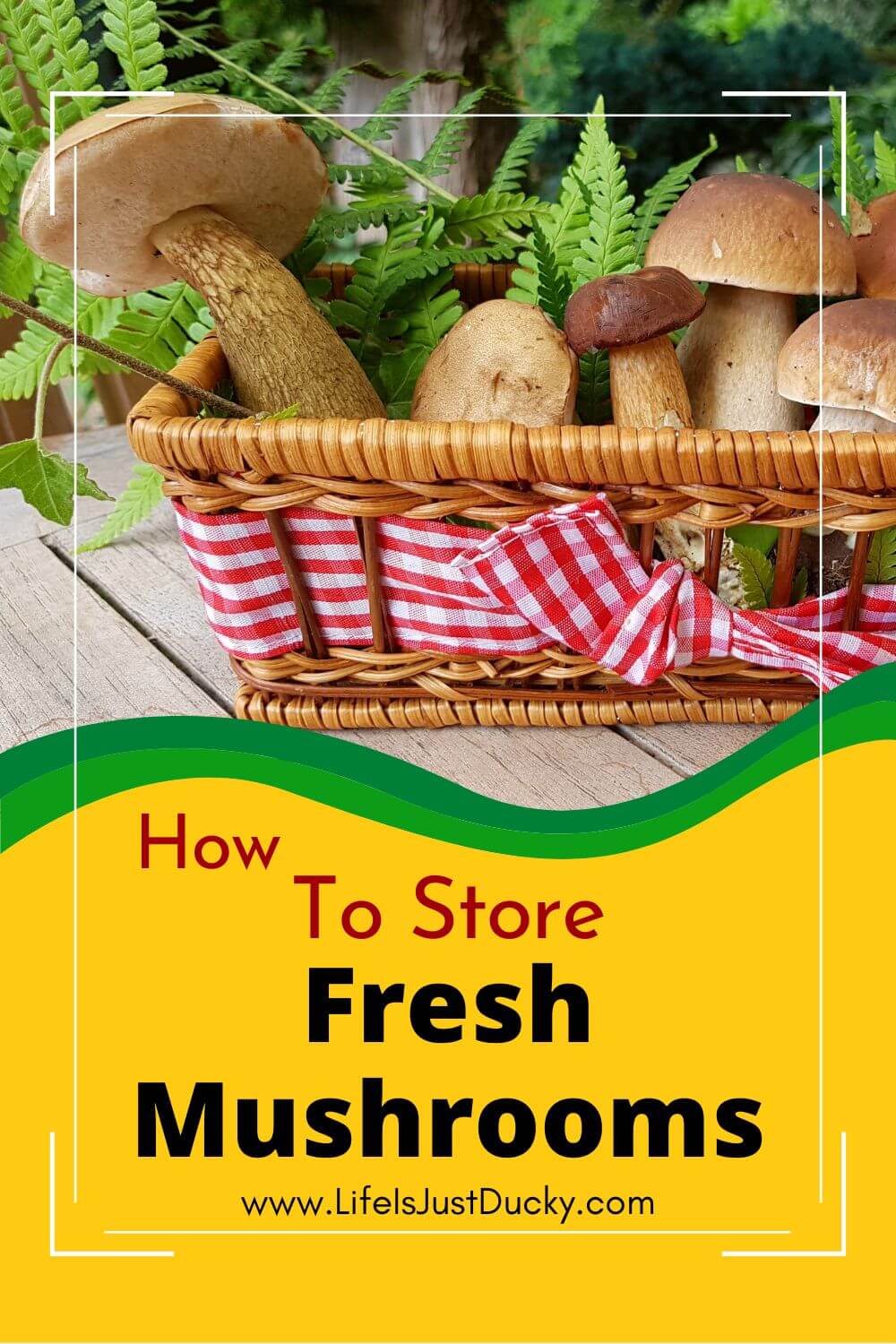
There is nothing quite like having a basket of fresh mushrooms ready to cook.
Whether you picked them up at the farmers market, brought them home from the grocery store, or harvested a batch from your own backyard mushroom garden, fresh mushrooms are a wonderful addition to so many meals. Sauté them in butter, toss them into a stir-fry, add them to soup, or pile them on pizza.
There is just one little problem.
Fresh mushrooms don’t stay fresh forever.
If you’ve ever opened the refrigerator and found a package of mushrooms that has turned slimy or shriveled up, you know what I mean. Mushrooms contain a lot of water, and the wrong storage conditions can make them deteriorate surprisingly quickly.
Fortunately, knowing how to store fresh mushrooms properly can help you get much more life out of them.
This post may contain affiliate links. I will be compensated if you make a purchase after clicking on my links. Please read my disclosure if you have questions.
Thank you for supporting this site with purchases made through links in this post. For Starters Here’s My Amazon Store.

🌼 From Mary’s Backyard
I’ve learned that growing your own food doesn’t always mean figuring out how to grow it. Sometimes the challenge is figuring out what to do with the harvest once you have it!That’s especially true with mushrooms. They can go from “Look at all these beautiful mushrooms!” to “What am I going to do with all of these?” surprisingly fast.
Fortunately, there are several simple ways to store and preserve mushrooms, whether you have a few from the grocery store or a bumper harvest from your own mushroom logs.
Why Do Fresh Mushrooms Go Bad So Quickly?
Mushrooms are different from many of the vegetables we grow in the garden. They don’t have a tough outer skin or peel to protect them, and they naturally contain a lot of moisture.
Too much moisture can make them slimy and encourage spoilage. But if they are left exposed to dry air for too long, they can become shriveled and leathery.
So, when you’re storing fresh mushrooms, you’re looking for a balance: keep them cool while allowing excess moisture to escape.
That’s one reason the container you use matters so much.
What Is the Best Way to Store Fresh Mushrooms?
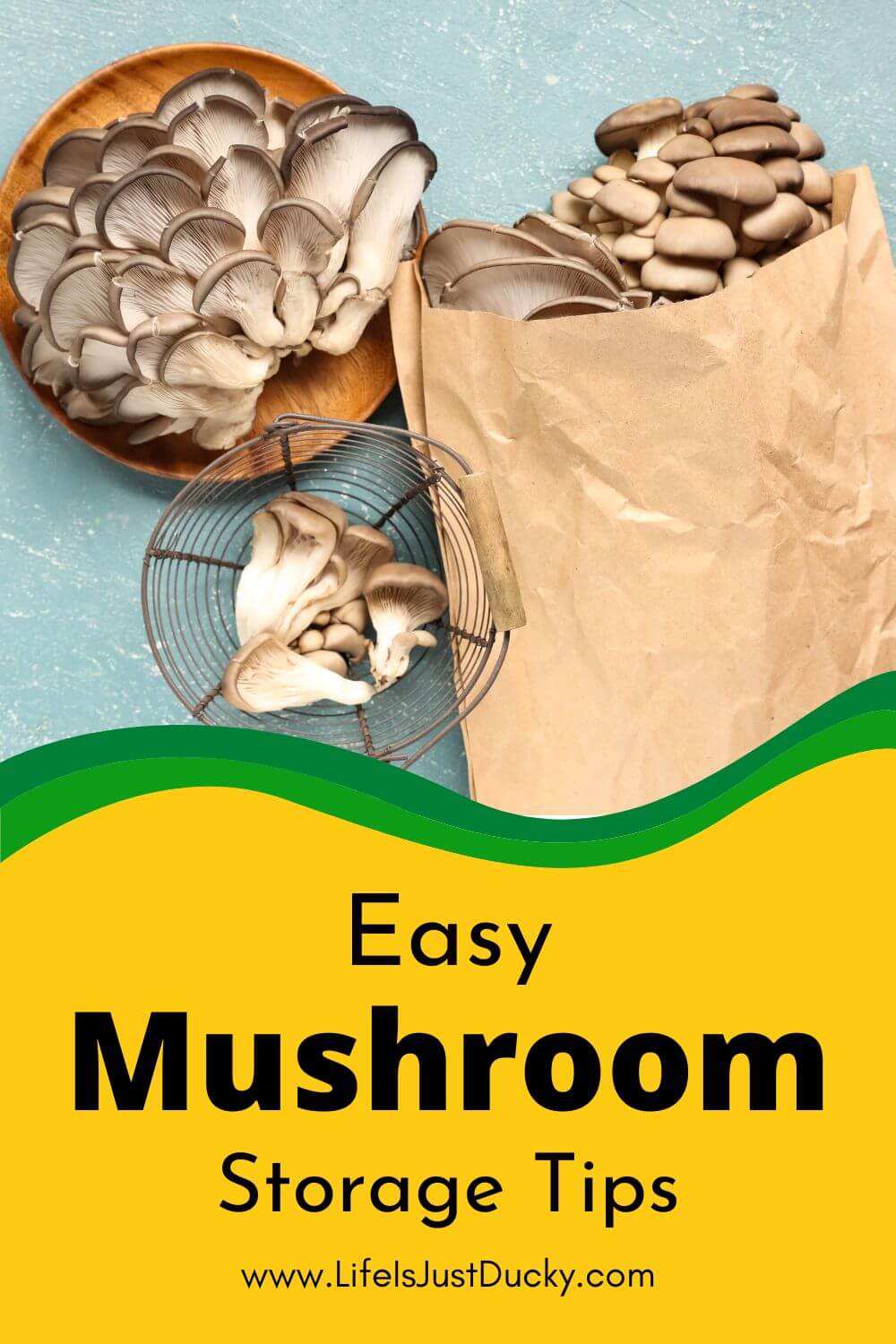
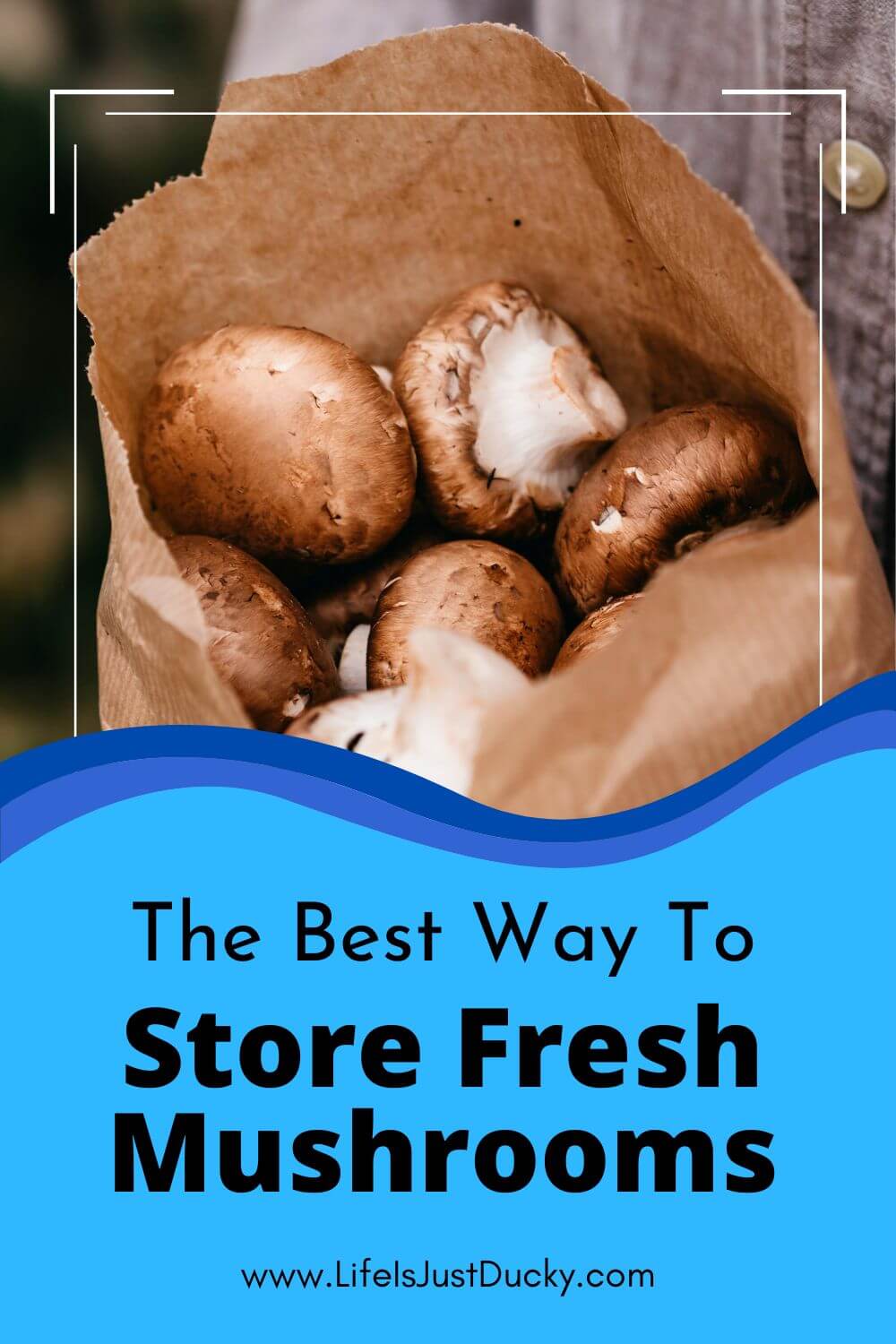
The refrigerator is the best place to store fresh mushrooms. For most varieties, I like to keep them in a paper bag rather than a tightly sealed plastic container.
A paper bag allows some air to circulate and gives excess moisture somewhere to go. Plastic bags and airtight containers can trap moisture around the mushrooms, which can lead to that unpleasant slimy texture we all want to avoid.
If your mushrooms came in a package that already provides some ventilation, you may be able to leave them in that packaging. Otherwise, transferring them to a paper bag is a simple option.
Keep the mushrooms refrigerated and avoid washing them until you’re ready to use them.

Should You Wash Mushrooms Before Storing Them?
Generally, it’s better to store mushrooms unwashed.
Mushrooms can absorb water, and adding extra moisture before storage can shorten their useful life. Instead, clean them shortly before you’re ready to cook.
If there is a little dirt on them, gently brush it away. You can also wipe them with a slightly damp cloth when necessary.
Some mushrooms may need more cleaning than others, especially if you’ve harvested them yourself. Just try not to soak them and then put them back into storage.
How Long Do Fresh Mushrooms Last in the Refrigerator?
The exact storage time depends on the variety and how fresh the mushrooms were when you bought or harvested them.
As a general guideline, fresh mushrooms will often keep for about 5 to 7 days in the refrigerator when stored properly. Some varieties may last longer, while delicate mushrooms may not last quite that long.
Homegrown mushrooms can be especially variable because they are often harvested at a different stage and may not have been refrigerated immediately.
The best rule is to look at the mushrooms rather than relying only on a number of days.
How Do You Know If Mushrooms Have Gone Bad?
Fresh mushrooms should have a pleasant, earthy smell and a reasonably firm texture.
If they become very slimy, develop an unpleasant or sour odor, show mold growth, or have deteriorated substantially, it’s time to throw them away.
A little wrinkling doesn’t necessarily mean a mushroom is spoiled. Mushrooms can lose moisture and become somewhat shriveled while still being usable, especially in a cooked dish. But when in doubt, it’s better to discard questionable mushrooms.
Can You Freeze Fresh Mushrooms?
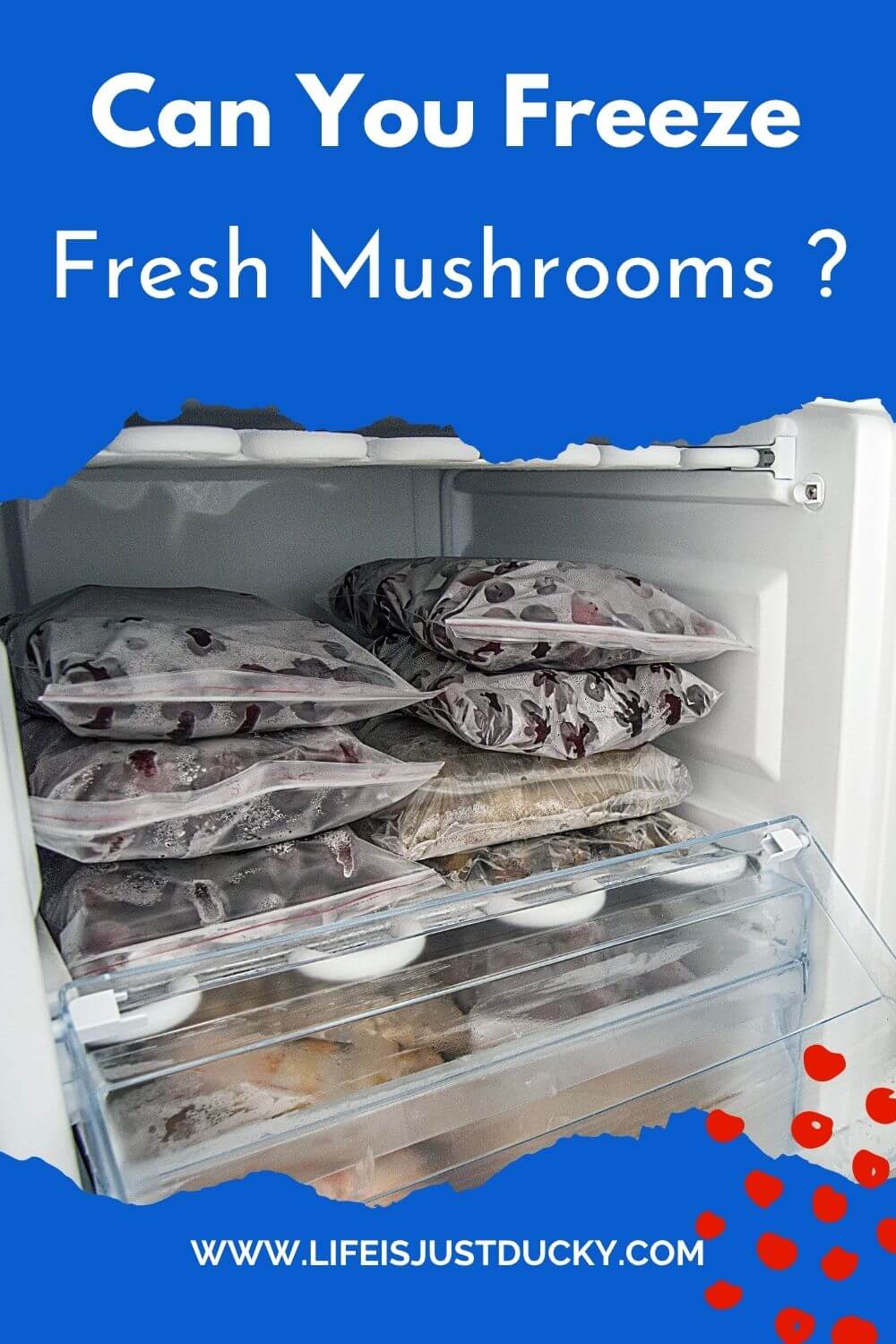
Yes, you can freeze mushrooms, but cooking them first generally gives you a much better result.
Raw mushrooms contain so much water that freezing them can leave them with a soft, unpleasant texture once thawed. Instead, sauté or otherwise cook the mushrooms first, allow them to cool, and then package them for the freezer.
I especially like this method when I have more mushrooms than we can eat fresh.
Frozen mushrooms work beautifully in things like soups, sauces, casseroles, gravies, frittatas, and stir-fries. They may not have exactly the same texture as freshly harvested mushrooms, but they can still add wonderful flavor to a meal.
How to Dry Mushrooms
If you have a large mushroom harvest, drying is another excellent way to preserve it.
Dried mushrooms take up very little room and can be stored for a long time when they are completely dry and kept in an airtight container.
A food dehydrator is an easy way to dry mushrooms. Once they’re completely dry, store them somewhere cool and dark.
When you’re ready to use them, simply rehydrate the mushrooms in water. You can also save the flavorful soaking liquid to add to soups, sauces, and other dishes.
Drying is particularly useful for mushrooms such as shiitake, because their rich flavor can become even more concentrated during the drying process.

What About Leftover Cooked Mushrooms?
If you’ve already cooked more mushrooms than you need, don’t worry. Cooked mushrooms can be refrigerated and used in another meal.
Let them cool and place them in a covered container in the refrigerator. Then use them in soups, omelets, sauces, pasta, casseroles, or whatever else you happen to be making.
Sometimes the easiest way to preserve a harvest is simply to turn it into dinner!
Lacto-Fermenting and Pickling Mushrooms
If you’re looking for something a little different than freezing or drying, you can also preserve mushrooms by lacto-fermenting them or making refrigerator pickles.
These are both great options when you want to keep your mushrooms in the refrigerator rather than trying to make them shelf-stable.
Lacto-Fermented Mushrooms
If you’ve made sauerkraut or other lacto-fermented vegetables, you already understand the basic idea. Lacto-fermentation uses beneficial bacteria to turn sugars into lactic acid, creating the tangy flavor we associate with fermented vegetables.
Mushrooms can be fermented, although they’re quite different from vegetables like cabbage and carrots. Their texture changes during fermentation, so this is one I’d try with a small batch first to see how you like them.
Once your mushrooms have finished fermenting, keep them refrigerated. The cold temperature slows the fermentation process considerably, so you can enjoy them over time rather than having them continue fermenting rapidly at room temperature.
If you’re new to lacto-fermentation, my guide to Lacto-Fermentation explains the process, salt, brine, and what to look for as your ferment develops.
Refrigerator-Pickled Mushrooms
Refrigerator pickles are another option, and they’re a little different from fermented mushrooms.
Instead of relying on fermentation to create the acidity, refrigerator pickles use a vinegar-based pickling liquid. The mushrooms are prepared with the pickling liquid and then stored in the refrigerator.
The result is a tangy, flavorful mushroom that can be wonderful alongside sandwiches, burgers, salads, grilled meats, or an appetizer platter.
Because these are refrigerator pickles, they aren’t being processed for shelf storage. Keep them refrigerated and follow a reliable recipe for the proper vinegar, water, salt, and other ingredient proportions. The acidity of a pickling recipe is important, so don’t change the vinegar-to-water ratio just because you prefer a milder pickle.
Both of these methods give you another way to enjoy a mushroom harvest. And if you’re already making fermented vegetables, lacto-fermented mushrooms can be a fun experiment with a small batch.
Don’t Let a Mushroom Harvest Go to Waste
One of the fun things about growing your own mushrooms is that you don’t always get to choose when they are ready.
When those mushrooms decide it’s time to fruit, they can produce a surprisingly large harvest all at once.
That’s why it helps to have a plan. Eat what you can fresh, share some with friends, and preserve the rest by freezing or drying.
And if you’re growing your own mushrooms, remember that harvesting isn’t the end of the process. Proper storage means you can enjoy more of that harvest instead of watching it go to waste.
Frequently Asked Questions About Storing Fresh Mushrooms
Should fresh mushrooms be refrigerated?
Yes. Fresh mushrooms should generally be refrigerated to slow spoilage. Keep them in a breathable container, such as a paper bag, rather than trapping them in a tightly sealed container.
Is it better to store mushrooms in a paper bag or plastic bag?
A paper bag is generally a better choice for fresh mushrooms because it allows excess moisture to escape. Plastic can trap moisture and contribute to sliminess.
Should mushrooms be washed before storing them?
It’s generally best to store mushrooms unwashed and clean them shortly before you’re ready to use them. Extra moisture can make mushrooms deteriorate more quickly.
How long do fresh mushrooms last in the refrigerator?
Most fresh mushrooms will keep for approximately 5 to 7 days when properly refrigerated, although the exact shelf life varies by mushroom variety and how fresh they were when stored.
Can you freeze mushrooms?
Yes. For the best texture, cook mushrooms before freezing them. Once cooled, package them in an airtight freezer container or bag and use them later in cooked dishes.
Can you dry fresh mushrooms?
Yes. Mushrooms can be dried in a food dehydrator or another suitable drying method. Once completely dry, store them in an airtight container in a cool, dark place.
🌼 From Mary’s Backyard
Growing Your Own Mushrooms?
If you haven’t tried growing mushrooms yet, you might be surprised at how easy it can be. I started with a mushroom growing kit and eventually moved on to growing oyster mushrooms in bags and shiitake mushrooms on logs. You can read about my experience and learn how to get started in Growing Mushrooms at Home.
Final Thoughts
Fresh mushrooms don’t have to be used the minute you bring them into your kitchen.
A little attention to how you store them can help them stay fresh longer, while freezing and drying give you options when you have more mushrooms than you can eat right away.
And if you’re growing your own mushrooms, learning how to preserve that harvest is just as valuable as learning how to grow it.
After all, what’s the point of growing a beautiful basket of mushrooms if you can’t enjoy them all?
Keep Learning
- If you’ve been inspired to grow your own mushrooms, my guide to Growing Mushrooms at Home shares what I’ve learned from growing oyster mushrooms and shiitake mushrooms, including my experience growing shiitake on logs.
- And once you start growing your own food, you’ll probably find yourself looking for ways to keep that harvest around a little longer. My 8 Easy Ways to Preserve Your Harvest covers several different ways to preserve the food you’ve grown so you can enjoy it long after harvest season.
- If you’re interested in lacto-fermentation, don’t miss my guide to Lacto-Fermentation. It’s a great place to learn the basics of fermenting vegetables and working with salt and brine.
- If you’re interested in growing more of your own food, my Vegetable Gardening for Beginners guide is another good place to start. It walks you through choosing a garden location, preparing the soil, planning your garden, planting, and harvesting.
Happy Backyard Homesteading!

I believe everyone can grow at least part of their own food! Let me show you how.

Mary is a gardener, backyard homesteader, and duck wrangler. She is also the owner and writer of LifeIsJustDucky.com and AGoodWordADay.com. (for daily devotions) Mary is passionate about helping others expand their backyard homesteading skills and learn to be more self-sufficient, no matter where they live.