

If you want to grow nutritious, abundant food, everything starts with your soil.
Not your seeds.
Not your watering schedule.
Not even your sunlight.
Your soil.
It’s easy to overlook because it’s not the exciting part of gardening. It’s not what you harvest or show off. But if your soil isn’t healthy, you can do everything else right and still struggle to grow a productive garden.
The truth is simple: the overall success of your garden depends on the health of your soil.
The good news is that you don’t have to settle for what you currently have. Even poor soil can be improved, and once you understand how soil works, gardening becomes easier, more productive, and far more enjoyable.
This post may contain affiliate links. I will be compensated if you make a purchase after clicking on my links. Please read my disclosure if you have questions.
Thank you for supporting this site with purchases made through links in this post. For Starters Here’s My Amazon Store.

How do I fix poor soil in my garden?
Start by adding compost and covering the soil with mulch. Avoid over-tilling and focus on building soil gradually. Even very poor soil can improve over time with consistent care.
What You’ll Learn About Building Healthy Garden Soil
If you’ve ever wondered why your garden isn’t thriving—or how to improve your soil without complicated methods—you’re in the right place.
In this guide, you’ll learn how to improve garden soil naturally using simple, proven techniques. We’ll walk through what healthy soil really is, how to fix poor soil, and how to build rich, living soil that supports strong, productive plants.
By the end, you’ll understand:
- What makes soil healthy and fertile
- How to improve soil structure and nutrients
- The role of compost and vermicomposting
- Why soil pH matters and how to fix it
- How to prevent weeds by improving soil
- Simple ways to build better soil year after year
Whether you’re starting from scratch or trying to fix problem soil, this guide will help you grow healthier plants with less effort.
If you’re new to gardening or want a simple step-by-step plan, my course The Beginner’s Garden Jumpstart walks you through everything from choosing the right location to building healthy soil and planting your first crops with confidence.
Why You Don’t Have to Settle for Poor Garden Soil
One of the biggest mistakes beginner gardeners make is assuming they’re stuck with their soil.
Too sandy, too hard, too lifeless—it doesn’t matter. That’s just your starting point, not your final result.
Soil can be built.
It can be improved year after year, and often much faster than people expect. With the right approach, even the most difficult soil can become rich, productive, and full of life.
And if you’ve ever tried gardening in a place with truly challenging soil, you already know this firsthand. If you’re just getting started, this guide on what to plant and when will help you plan your garden.

Real-Life Soil Isn’t Always Ideal
In some areas, soil conditions are far from perfect. In places like Southwest Florida, for example, the “soil” is often little more than ground limestone and coral—essentially sand with very little ability to hold nutrients or water. On top of that, the pH tends to run highly alkaline.
It’s not what most people would choose for a garden.
And yet, gardens still grow here.
Not because the soil is naturally good, but because it’s been improved. Over time, with the addition of organic matter and better practices, even difficult soil can become productive.
Once you understand that, everything changes. You stop fighting your soil and start working with it. Keeping track of what works in your garden can help improve your soil over time—here’s how to use a garden journal to track your progress.
What Garden Soil Is Made Of (And Why It’s Alive)
To build healthy soil, it helps to understand what soil actually is.
Soil is not just dirt. It’s a complex, living system made up of minerals, organic matter, air, water, and an enormous number of living organisms. All of these parts interact constantly, supporting plant growth in ways that aren’t always visible.
You can learn more about how scientists define soil and why it functions as a living system from the Natural History Museum, which explains soil as a complex, living ecosystem essential for plant growth.
The mineral portion comes from broken-down rock—sand, silt, and clay. Organic matter comes from once-living materials that are now decomposing. Air and water move through the spaces between particles. And then there is life—an entire hidden world beneath your feet.
How Soil Microorganisms Help Plants Grow Better
Healthy soil is full of life, and most of it is too small to see.
Bacteria, fungi, and other microorganisms are constantly at work breaking down organic matter and minerals, turning them into forms that plants can actually use. Without these microscopic helpers, nutrients would remain locked away, unavailable to your plants.
These organisms also help create the structure of your soil. As they move, grow, and interact, they form networks that hold soil particles together. This structure improves airflow, supports root growth, and helps prevent erosion.
When soil is healthy, this entire system works together seamlessly. When it’s damaged or depleted, everything becomes more difficult.
Healthy soil is your first line of defense against pests, but it’s not the only one. If you want to go further, my course Keep Bugs Out Of Your Garden, Naturally! shows you how to protect your plants without harsh chemicals.

The Role of Earthworms
While microorganisms handle much of the invisible work, earthworms play a very visible and important role.
As they move through the soil, they break down organic matter, mix nutrients, and create tunnels that allow air and water to move freely. These tunnels also make it easier for plant roots to grow deeper and stronger.
In many ways, earthworms are natural soil builders.
Their castings—what they leave behind—are incredibly rich and beneficial for plants. This connects directly to another powerful soil-building method: vermicomposting.
Another powerful way to boost soil health is using worms—learn how in my guide to vermicomposting and worm castings.
Why Earthworms and Vermicomposting Improve Soil Naturally
Vermicomposting takes the natural work of worms and brings it right into your gardening system.
By raising worms and feeding them kitchen scraps and organic material, you can produce worm castings that dramatically improve your soil. These castings are not just fertilizer—they help plants absorb nutrients more efficiently and support a thriving soil ecosystem.
They are especially helpful in soils that are out of balance, whether too acidic or too alkaline, because they help make nutrients more available to plants.
Incorporating worm castings into your garden is one of the simplest ways to boost soil health, and it fits perfectly alongside traditional composting methods.
What Good Soil Structure Looks Like (And How to Get It)
Good soil has a certain texture that gardeners quickly learn to recognize.
It’s loose and crumbly, easy to dig, and easy to plant in. It holds together just enough to support roots, but not so tightly that it becomes compacted. Many gardeners compare it to the texture of fresh bread crumbs or a moist, crumbly chocolate cake.
This structure is important because it affects everything else. When soil has the right structure, it holds moisture without becoming waterlogged, allows air to circulate, and gives roots the space they need to grow.
If you can easily press your finger into the soil, roots can grow through it just as easily.
Understanding Soil Types: Sandy, Clay, and Loam
Most soils fall into one of three main categories, though many are a combination.
Sandy soil has large particles and drains quickly. It warms up fast in the spring and is easy to work, but it struggles to hold onto water and nutrients.
Clay soil is made up of very fine particles that pack tightly together. It holds water and nutrients well, but often too well, leading to poor drainage and compaction. When it dries out, it can become hard and difficult to work.
Clay soil can be one of the most challenging to work with at first, but with consistent additions of organic matter, it can become some of the most fertile soil over time.
Loam is considered the ideal because it balances the benefits of both. It holds moisture while still draining properly, contains nutrients, and is easy to work with.
However, even loam benefits from ongoing improvement. No soil stays perfect without care.
What is the best soil for a vegetable garden?
Loamy soil rich in organic matter is ideal, but sandy and clay soils can both be improved over time with compost and proper soil care.
Why Organic Matter Is the Key to Improving Soil
No matter what type of soil you have, the fastest and most effective way to improve it is by adding organic matter.
Organic matter improves the soil’s ability to hold water while still allowing excess to drain away. It creates spaces for air, making it easier for roots to grow. It also helps the soil hold onto nutrients instead of letting them wash away.
Just as importantly, it feeds the living organisms that make soil function properly.
Organic matter is simply anything that was once living—leaves, grass clippings, kitchen scraps, compost, manure, straw, even things like cardboard and newspaper. Even dead animals fall into this category, but they should be composted properly first before ever going into your garden. As all of this breaks down, it feeds your soil, improves its structure, and helps create the kind of rich, healthy environment your plants love.
This is the foundation of building what many gardeners call “million dollar soil.”

How Compost Improves Garden Soil Naturally
Compost is one of the best ways to add organic matter to your garden.
It is broken-down organic material that is ready for your soil to use. It improves structure, supports microbial life, and helps nutrients stay available to your plants.
One of the most important things to understand about compost is that it isn’t a one-time fix. Every time you harvest from your garden, you are removing nutrients. That means those nutrients need to be replaced.
Adding compost regularly keeps your soil productive year after year.
When combined with other practices like mulching and vermicomposting, compost becomes part of a system that continuously builds and improves your soil.
Compost is one of the most powerful ways to improve your soil, and if you’re not already making it, here’s how to get started with simple backyard composting.
If you want faster results, you can also try hot composting to break materials down more quickly.
Building Soil Is a Process
Healthy soil doesn’t happen overnight, but it does begin to improve right away.
Even within a single season, you may notice your soil becoming easier to work, holding moisture better, and supporting healthier plants. Over time, those improvements build on each other.
The key is consistency. Adding organic matter, protecting your soil, and supporting the life within it will gradually transform even poor soil into something productive.
A Better Way to Think About Gardening
Instead of focusing only on what to add to your plants, it helps to shift your focus to the soil itself.
When your soil is healthy, everything else becomes easier. Plants grow stronger, resist pests more effectively, and produce better harvests.
Healthy soil does much of the work for you.
And once you experience that difference, you’ll never look at your garden the same way again.
Understanding Soil pH, Nutrients, and How to Balance Garden Soil
Now that you understand what soil is and how to build it, let’s look at how it actually works—and how to get it into balance.
As you begin improving your soil, one of the most important things to understand is that it’s not just about adding more—it’s about balance.
You can add all the compost, minerals, and amendments you want, but if something is out of balance beneath the surface, your plants may still struggle. This is where understanding soil pH, nutrients, and how your soil functions really starts to matter.
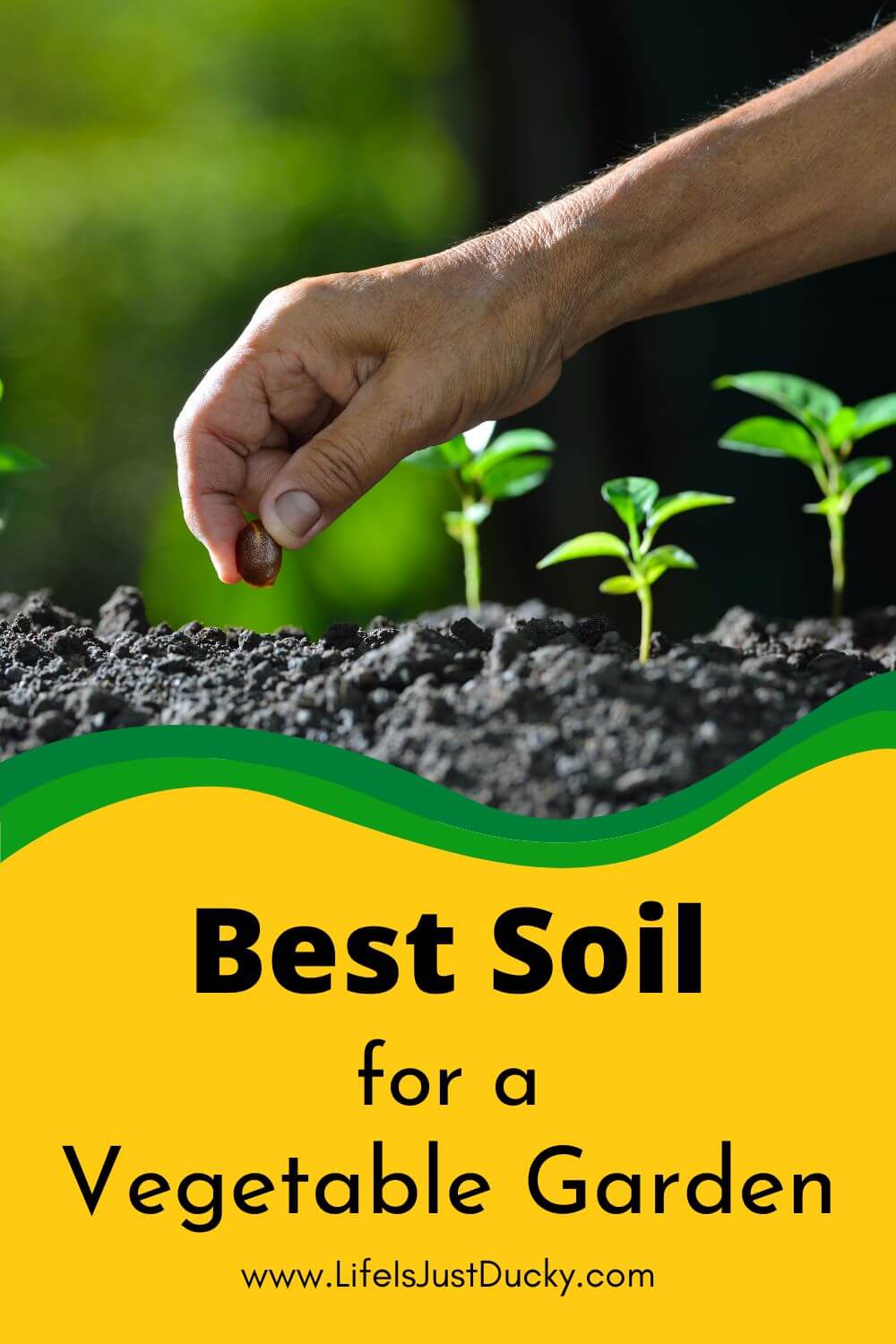
Why Soil pH Matters for Plant Growth
Soil pH is one of those things that many gardeners hear about but don’t fully understand at first. It sounds technical, but the concept is actually very simple.
Soil pH is simply a measure of how acidic or alkaline your soil is. It’s measured on a scale from 0 to 14, with 7 being neutral. Numbers below 7 mean your soil is acidic, while numbers above 7 mean it’s alkaline. Most garden plants prefer soil that is slightly acidic to neutral, because that’s where nutrients are most available for them to absorb.
Even if your soil is full of nutrients, if the pH is too high or too low, those nutrients can become “locked up,” meaning your plants can’t use them. So, you can end up with a garden that looks like it’s lacking nutrients—even when they’re technically there.
Most vegetables prefer soil that is slightly acidic to neutral, but every garden is different, and that’s why testing matters.
Related>> What Is Soil pH, And Why It’s Important
How to Test Garden Soil Before Adding Amendments
It’s tempting to start adding things to your soil based on what you’ve read or what others recommend. But adding the wrong thing—or too much of the right thing—can actually create new problems.
A simple soil test can save you time, money, and frustration.
It tells you what your soil already has and what it actually needs.
A good example of this comes from something that seems harmless: eggshells.
If you raise chickens or ducks, you probably have plenty of eggshells. They’re often recommended as a great way to add calcium to your soil, and many gardeners add them to compost or directly into garden beds.
That sounds like a great idea—until you realize your soil might already be high in calcium.
In soil that naturally contains limestone, (like mine) calcium levels can already be very high. Adding more can throw off the balance and interfere with the availability of other nutrients. Even if those nutrients are present, your plants may not be able to access them.
This is exactly why testing matters. It takes the guesswork out and helps you make informed decisions.
Local extension offices and universities often offer soil testing, and it’s one of the best investments you can make in your garden. For a deeper look at how to test your soil and understand the results, the University of Florida IFAS Extension provides excellent step-by-step guidance specifically for home gardeners.
Understanding Soil Nutrients for a Vegetable Garden
Plants need a wide range of nutrients to grow properly. Some are needed in large amounts, while others are required only in tiny quantities—but all of them matter.
Nitrogen, phosphorus, and potassium are the primary nutrients most gardeners are familiar with. Nitrogen supports leafy growth and is especially important for crops like lettuce. Phosphorus plays a key role in flowering and fruiting, which is essential for crops like tomatoes. Potassium helps strengthen roots and improves overall plant health, making it especially important for root crops.
Beyond these, there are secondary nutrients like calcium, magnesium, and sulfur. These often don’t get as much attention, but they are just as important. Calcium helps regulate nutrient flow within the plant. Magnesium is essential for photosynthesis. Sulfur supports enzyme activity and overall plant development.
Then there are micronutrients—elements like iron, zinc, boron, and manganese (and many more)—which are needed in very small amounts but are critical for plant health. A deficiency in any one of them can limit growth, even if everything else is in place.
Rock dust or azomite is a great place to get the micronutrients.
This is where building healthy soil really pays off. When your soil is rich in organic matter and full of life, it becomes much better at holding and delivering these nutrients naturally.
Feeding Your Soil Instead of Your Plants
One of the most important mindset shifts you can make as a gardener is this:
Instead of feeding your plants directly, focus on feeding your soil.
When your soil is healthy, it feeds your plants for you.
Adding compost, organic matter, and natural amendments builds a system where nutrients are stored, released slowly, and made available when plants need them. This creates more consistent growth and reduces the need for constant intervention.
Synthetic fertilizers can provide a quick boost, but they don’t improve the soil itself and don’t supply micronutrients. Over time, relying on them alone can actually weaken your soil system.
A more sustainable approach is to build fertility gradually, using compost, organic inputs, and occasional targeted amendments based on your soil test results.
Tilling vs. No-Till Gardening: Which Is Better for Soil Health
For many years, tilling was considered an essential part of gardening. Turning the soil each season was thought to prepare it for planting and help mix in nutrients.
But as we’ve learned more about soil biology, that thinking has started to shift.
Because soil is alive, tilling can be disruptive. It breaks up the networks created by microorganisms, collapses air pockets, and disturbs the structure that helps soil function properly.
That doesn’t mean tilling is always wrong. In some cases—especially when starting a new garden or working with very poor soil—it can be helpful to loosen the ground and incorporate organic matter.
But long-term, minimizing disturbance is usually better.
Using tools like a broadfork or garden fork can loosen soil without turning it over. This preserves structure while still improving aeration.
Some gardeners even take advantage of natural helpers. Chickens and ducks, for example, can lightly work the surface of the soil while also helping to control pests and weeds.
Over time, as you add compost and organic matter, your soil becomes easier to work without the need for heavy tilling.
Minimizing soil disturbance is widely recommended by soil experts, including the Natural Resources Conservation Service, because it helps preserve soil structure and beneficial microbial life.
If you’re unsure whether to dig or not, I go deeper into the pros and cons in to till or not to till your garden soil.
How to Prevent Soil Compaction in Your Garden
One of the simplest ways to protect your soil is to avoid walking on it.
Compacted soil loses air space, making it harder for roots to grow and for water to move properly. It also disrupts the living organisms that help keep soil healthy.
Planting in wide beds with designated walking paths is an easy solution. By keeping foot traffic off your growing areas, you allow the soil structure to remain intact.
This small change can make a noticeable difference over time.
One of the easiest ways to protect and improve your soil is by using raised beds. If you’d like a simple, step-by-step plan, my ebook How To Build A Raised Garden Bed walks you through the entire process.
Why Mulch Is Essential for Healthy Garden Soil
If there’s one practice that consistently improves soil with minimal effort, it’s mulching.
Soil was never meant to be bare. In nature, it is always covered—by leaves, plants, or organic debris. When soil is left exposed, it becomes vulnerable to sun, wind, and rain, all of which can damage its structure and reduce its fertility.
Keeping soil covered is a key principle of soil health, and the Natural Resources Conservation Service emphasizes that protecting soil from erosion and temperature extremes helps maintain long-term fertility.
Mulch acts as a protective layer.
It helps retain moisture, regulates temperature, and reduces weed growth. As it breaks down, it adds organic matter back into the soil, feeding the microorganisms that keep everything functioning.
Mulch also helps prevent compaction by cushioning the impact of rain and reducing surface crusting.
Whether you use straw, grass clippings, leaves, or wood chips, the goal is the same: keep your soil covered and protected.
Mulch plays a huge role in protecting and feeding your soil, and I cover the best options in my guide to using mulch in your vegetable garden.
How Watering and Drainage Affect Soil Health
Water plays a major role in soil health, and both too much and too little can cause problems.
Soil that stays too wet can suffocate roots, leading to rot and poor plant growth. On the other hand, soil that dries out too quickly can stress plants and limit nutrient uptake.
Improving soil structure with organic matter helps balance both extremes. It allows soil to hold moisture while still draining excess water.
In many gardens, solving soil issues naturally improves watering problems as well. If you’ve struggled with growing before, you’re not alone—here are some common garden challenges and how to overcome them.
Why Crop Rotation Improves Soil Fertility
Another often-overlooked aspect of soil health is crop rotation.
Planting the same crop in the same spot year after year can deplete specific nutrients and encourage the buildup of pests and diseases.
Different plants use nutrients in different ways. By rotating crops, you give your soil a chance to recover and maintain balance.
This doesn’t have to be complicated, but even simple rotation can make a difference over time.
How to Keep Your Garden Soil Organic and Alive
One final consideration when building soil is being mindful of what you bring into your garden.
Many products that are meant to help—fertilizers, herbicides, pesticides, manure and even mulch—can have unintended effects on soil life.
Some chemicals can harm the very organisms you’re trying to support. Even materials like hay or manure can sometimes carry residues from herbicides that affect plant growth.
Whenever possible, choose clean, organic inputs and focus on building a healthy system rather than relying on quick fixes.
Your Soil Is Unique
No two gardens are exactly alike.
What works in one location may not work in another, even if they are close together. Climate, native soil composition, and past use all play a role in how your soil behaves.
That’s why observation is so important.
Pay attention to how your soil responds, how your plants grow, and how changes affect your garden over time.
When you learn to work with your soil instead of against it, you create a system that becomes more productive every year.
Ready to get started? Download the Garden Quick Start Guide and take the guesswork out of growing your first (or best) garden.
How to Improve Garden Soil Quickly and Naturally
Once you understand how soil works, the next step is putting it into action.
By now, you can see that building healthy soil isn’t about one single method. It’s a combination of simple practices that work together over time.
But what if your soil is in really rough shape? Or you’re starting from scratch and want faster results?
The good news is—you don’t have to wait years to see improvement.
How to Fix Poor Soil Fast
While building truly rich soil is a long-term process, there are ways to speed things up and start seeing results right away.
One of the fastest ways to improve soil is by adding generous amounts of organic matter all at once. Compost, aged manure, leaves, and other materials can be layered or mixed into your garden to begin rebuilding structure and fertility.
Some gardeners choose to till this material in the first year to get things started, especially if the soil is very compacted or lacking life. Others prefer to layer materials on top using a method often called “lasagna gardening,” where organic matter breaks down naturally over time.
Both approaches can work. The key is getting organic material into or onto the soil so life can begin to return.
Another method that can be especially helpful in problem areas is soil solarization. By covering soil with clear plastic during the hottest part of the year, the sun’s heat builds up underneath, helping to reduce weeds, pests, and some soil-borne diseases. It’s a simple, chemical-free way to reset a garden bed before rebuilding it.
This works especially well in warm climates where the sun is strong and consistent. If you’re starting from scratch, you might also want to read my guide on starting a garden the easy way.

How to Start an Instant Garden (Build and Plant the Same Day)
If you’re eager to start gardening right away and don’t want to wait months to improve your soil, you can create what’s often called an instant garden.
An instant garden allows you to build soil and plant at the same time. Instead of waiting for your native soil to improve, you essentially create a new growing layer right on top of it.
This is especially helpful if your existing soil is poor, compacted, or difficult to work with.
One of the easiest ways to do this is through a method often called lasagna gardening.
Related>> Is Tilling Your Vegetable Garden Good or Bad?
What Is Lasagna Gardening and How Does It Work
Lasagna gardening is a simple method of layering organic materials directly on top of the ground, much like building a compost pile in place.
Instead of digging or tilling, you stack layers of materials that will break down over time and create rich, fertile soil.
You start with a base layer such as cardboard or newspaper to suppress weeds. On top of that, you add alternating layers of carbon-rich materials like leaves and straw, and nitrogen-rich materials like grass clippings, kitchen scraps, or manure.
As these layers break down, they create a nutrient-rich growing environment that your plants can thrive in.
The best part is that you don’t have to wait. You can plant right away by adding a small amount of finished compost or soil where your plants will go.
Related>> Composting, How To Make Garden Gold.
Why Instant Gardens Work So Well
This method works because it mimics how soil is naturally built in nature.
Instead of disturbing the soil, you are feeding it from the top down. The layers retain moisture, suppress weeds, and provide a steady supply of nutrients as they break down.
It also reduces the need for tilling, improves soil structure, and encourages beneficial organisms like earthworms to move in and do the work for you.
Over time, what started as layers becomes rich, dark, crumbly soil.
Related>> Build Your Own Worm Tower
What You Can Grow in an Instant Garden
An instant garden can be used to grow almost anything—vegetables, herbs, and even flowers.
The only thing to keep in mind is that the layers will break down and settle over time. For larger plants like trees, you’ll want to account for that so they don’t end up sitting too low later on.
Related>> Mulch For Your Vegetable Garden
How to Maintain Your Instant Garden Over Time
Like all good soil, an instant garden improves with time.
Each season, you can continue adding organic matter such as compost, mulch, or additional layers. As the materials break down, your soil becomes richer and more productive.
What starts as a quick solution becomes a long-term soil-building system. If you’re starting from scratch, raised beds are one of the quickest ways to create great soil. My ebook How To Build A Raised Garden Bed makes it easy to get started.
How Healthy Soil Helps Prevent Weeds Naturally
Weeds are often seen as the enemy in the garden, but they can also be a sign of what’s happening in your soil.
Poor, compacted, or unbalanced soil tends to invite weeds. In many cases, weeds are simply filling a gap—trying to cover and protect soil that would otherwise be bare.
As your soil improves, weed pressure often decreases naturally.
That doesn’t mean weeds disappear completely, but they become easier to manage.
Practices like mulching, adding compost, and avoiding soil disturbance all help reduce weeds over time. Even methods like solarizing can give you a fresh start in heavily infested areas.
When you focus on soil health first, weed control becomes much more manageable. Weeds often point to deeper soil issues—here’s how to deal with them in my guide to controlling weeds naturally in your garden.
When to Improve Garden Soil for Best Results
Soil can be improved at any time, but some seasons are better than others.
Fall is often considered the best time to add large amounts of organic matter. This gives materials time to break down over the winter, so your soil is ready to go in spring.
It’s also a great time to add compost, leaves, and other amendments because your garden is winding down and there’s less risk of disturbing growing plants.
That said, if you didn’t prepare your soil in the fall, don’t worry. Spring is still a good time to improve your soil—just be a bit more gentle. Add materials to the surface, work them in lightly if needed, and let nature do the rest.
The important thing is to start. Preparing your soil ahead of time makes a big difference—especially in spring. Here’s how to get your garden ready for the growing season.

Why Improving Soil Is an Ongoing Process
One of the most important things to remember is that soil is never “finished.”
Every growing season uses up nutrients. Every harvest removes something from the soil.
To keep your garden productive, you need to keep putting back what is used.
Adding compost regularly, continuing to mulch, and incorporating practices like vermicomposting all help maintain and improve soil over time.
Think of it as an ongoing relationship. The more you invest in your soil, the more it gives back to you.
Simple Steps to Build Healthy Garden Soil Year After Year
If all of this feels like a lot, it doesn’t have to be complicated.
Start with a few simple steps.
Keep your soil covered. Add organic matter whenever you can. Avoid disturbing it more than necessary. Pay attention to how it responds.
Over time, those small actions build something powerful—a living, productive soil that supports everything you grow.
Healthy soil is your first line of defense against pests, but it’s not the only one. If you want to go further, my course Keep Bugs Out Of Your Garden, Naturally! shows you how to protect your plants without harsh chemicals.
Frequently Asked Questions
How long does it take to build healthy soil?
You can see improvements within one growing season, but building rich, fertile soil is an ongoing process that improves year after year.
Is compost enough to improve soil?
Compost is the foundation of healthy soil, but combining it with mulch, proper watering, and good gardening practices creates the best results.
What is the best way to improve garden soil naturally?
The best way to improve garden soil is by adding organic matter such as compost, mulch, and worm castings. These improve soil structure, increase nutrients, and support beneficial microorganisms.
What is vermicomposting, and how does it help soil?
Vermicomposting uses worms to break down organic material into nutrient-rich castings. These castings improve soil fertility and help plants absorb nutrients more effectively.
How often should I add compost to my garden?
At least once or twice per year, but smaller, regular additions throughout the season are also beneficial.
Should I till my garden every year?
Not necessarily. Reducing tilling helps preserve soil structure and supports beneficial organisms. Many gardeners now prefer no-till or low-till methods.
How do I improve sandy soil?
Add organic matter regularly and use mulch to help retain moisture and nutrients.
Why are my plants struggling even though I fertilize?
This could be due to poor soil structure or incorrect pH, which can prevent plants from absorbing nutrients.
Do I need to test my soil before adding fertilizer?
Yes, testing your soil helps you understand what nutrients are already present and prevents over-application, which can harm plant growth.
Why are weeds growing so much in my garden?
Weeds often grow in poor or bare soil. Improving soil health and keeping it covered with mulch can significantly reduce weeds.
Healthy Soil Is the Foundation of a Productive Garden
It’s easy to focus on what’s happening above ground in your garden—the plants, the flowers, the harvest.
But the real work is happening below the surface.
When your soil is healthy, everything else becomes easier. Plants grow stronger, resist pests better, and produce more food. Watering becomes more efficient. Problems become easier to manage.
Healthy soil is the foundation of a thriving garden.
Build that first, and everything else will follow.
If you’re ready to take the next step and build a productive, thriving garden, I’ve created a few resources to help you get there—from step-by-step beginner training to building raised beds and growing naturally without chemicals.
How To Build A Raised Garden Bed
Keep Bugs Out Of Your Garden, Naturally!
The Beginner’s Garden Jumpstart
Happy Backyard Homesteading!

I believe everyone can grow at least part of their own food! Let me show you how.

Mary is a gardener, backyard homesteader, and duck wrangler. She is also the owner and writer of LifeIsJustDucky.com and AGoodWordADay.com. (for daily devotions) Mary is passionate about helping others expand their backyard homesteading skills and learn to be more self-sufficient, no matter where they live.







Thank you for nice suggestion
I am avid in keeping a compost pit of three sections. I layer my compost with whatever is at hand. Weeds I chopped, chicken poop, bat guano, dirt, grass clippings and also take in the local highway chips of trees and plants. They are only too glad to have someone give them a place to get rid of their load. I also have a friend that gives me a pickup load of cow manure when I need it. I turn my compost weekly to keep it hot. When it no longer gets hot I use it in my garden. Oh yes, I almost forgot, I water the different layers as I go and keep it covered with a tarp or some plastic. Dint forget to place your vegetable scraps and egg shells to your pile.
Sounds like you have AWESOME resources! Good for you!