

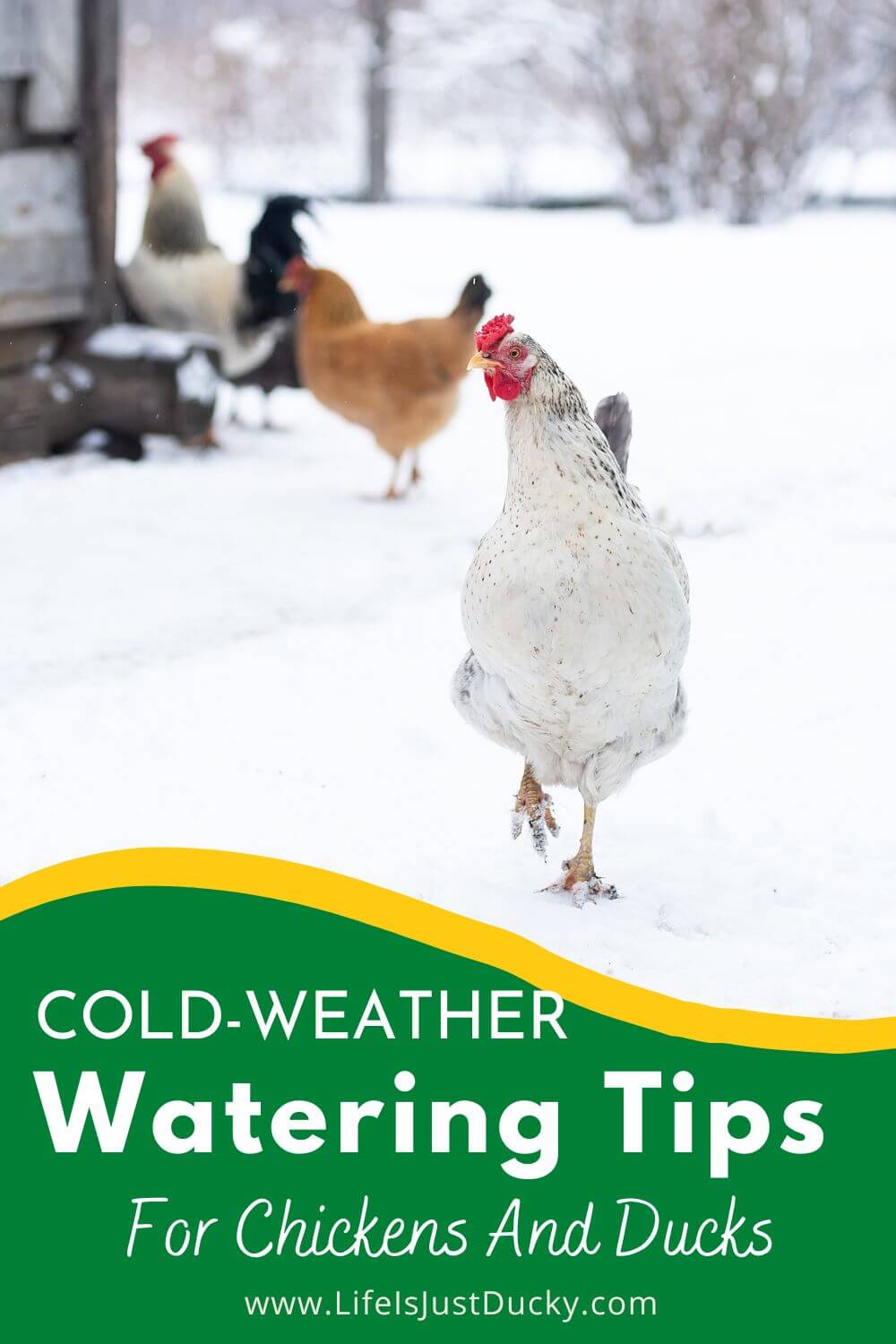
When temperatures dip below freezing, one of the biggest winter homestead challenges is figuring out how to keep chicken and duck water from freezing. Without a reliable watering system, your flock can quickly become dehydrated — and hauling buckets of warm water several times a day gets old fast.
The good news? There are plenty of smart, simple, and affordable ways to keep your poultry’s water thawed and accessible all season long. Whether you have access to electricity or live completely off-grid, the right setup can save you time, reduce mess, and keep your birds healthy through even the coldest months.
Let’s look at the best winter waterers for chickens and ducks, plus a few tips to make winter chores easier.
This post may contain affiliate links. I will be compensated if you make a purchase after clicking on my links. Please read my disclosure if you have questions.
Thank you for supporting this site with purchases made through links in this post. For Starters Here’s My Amazon Store.

Winter Waterers for Chickens and Ducks
Choosing the right winter waterers for chickens and ducks is essential for keeping your flock healthy when temperatures drop. A good winter waterer should stay thawed, be easy to clean, and reduce spills that create slippery, icy messes around the coop.
Whether you use a heated base, an insulated rubber tub, or a no-electricity DIY setup, the goal is the same — provide fresh, unfrozen water every day without making more work for yourself. With the right tools and placement, you can keep your poultry hydrated and happy all winter long.
Related>> Deep Litter – The Best Method For Chickens And Ducks.
1. Use a Frost-Free Water Hydrant
If you have a barn or coop area near a water line, installing a frost-free yard hydrant can be a game-changer. These hydrants draw water from below the frost line, so they don’t freeze up like regular spigots.
When you’re dealing with sub-zero mornings, they make filling waterers quick and easy — You’ll save yourself endless trips hauling buckets from the house—and your birds will thank you for a steady supply of fresh water.
Tips for using a frost-free hydrant:
- Choose one with a self-draining valve to prevent water from sitting in the pipe.
- Make sure the base of the hydrant is installed below the frost line for your region. (If you’re unsure, check with your local extension office.)
- Use a short, flexible hose and store it inside between uses.
- Consider adding a hose bib cover for extra insulation.
- Keep the area around it clear so you can easily reach it in the snow.
Yard Hydrant

Woodford Freezeless Yard Hydrant
Buy Now →*ad
Related>> How To Get Clean Water For My Ducks.
2. Heated Poultry Waterers (Electric Options)
If you have power near your coop, a heated waterer is one of the easiest and most effective ways to keep chicken and duck water from freezing. These plug-in units use thermostats to turn on automatically when temperatures drop near freezing, keeping water just above ice level without wasting energy.
Best types of heated poultry waterers:
- Heated Base for Metal Waterers – Perfect for galvanized drinkers. The base gently warms it from below.
- All-in-One Plastic Heated Waterer: These are convenient plug-and-play options with built-in thermostats, often with built-in handles for hanging or carrying.
- Heated Dog Bowls – Ideal for ducks since they need deeper water for cleaning their bills.
Safety tip: Keep cords off the ground and out of reach of curious beaks. Always use outdoor-rated extension cords.
Keep the water thawed

Heated Chicken or Bird Waterer
Buy Now →*ad
3. No-Electricity Watering Options (Off-Grid Friendly)
For off-grid homesteads or coops far from a power source, keeping water thawed requires a little creativity — but it’s absolutely doable.
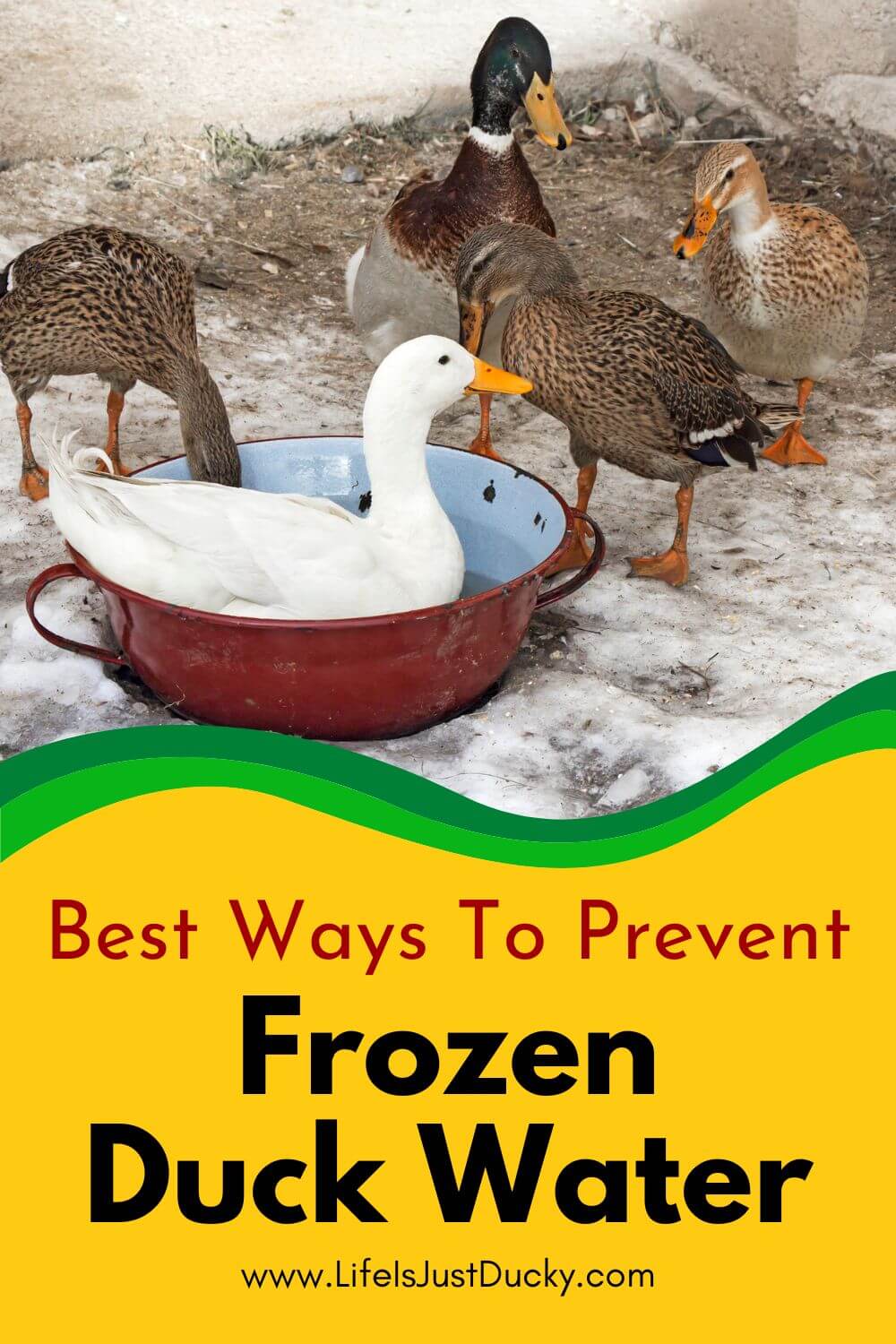
You can still keep chicken and duck water from freezing with a few creative, off-grid tricks.
Insulate Your Water Containers
Use thick black rubber tubs, which naturally absorb sunlight and retain heat better than metal or plastic. Place the tub inside an old tire for extra insulation and stability. The black color of both the tub and tire helps attract warmth from the sun, keeping the water from freezing as quickly.
For even better results, stuff the tire with straw or mulch for insulation and position it where it gets direct sunlight most of the day.
Float a Ball or Salt Bottle
Drop a small rubber ball or a sealed bottle filled with salt water into the container. The movement of the ball or the slightly warmer salt water helps prevent the surface from freezing solid.
Related>> Caring For Ducks In Winter. What You Need To Know.
DIY Solar Water Box
For moderate winter climates, create a small solar waterer box: This won’t work in deep freeze conditions, but it’s perfect if your area only dips to freezing occasionally.
- Paint a metal waterer or use a black rubber tub.
- Set it inside an insulated frame with straw or foam board around it.
- Roof it with a clear plexiglass or clear plastic lid angled toward the sun.
This mini greenhouse *ad effect captures and traps solar heat, keeping water thawed longer through sunny winter days.
4. Keep Water OUT of the Coop
It’s tempting to move waterers into the coop to keep them warm, but that’s a mistake—especially for chickens. Moisture from spilled water raises humidity levels, leading to frostbite on combs and wattles. Wet bedding also creates ammonia buildup and slippery conditions.
Instead, place your waterers just outside the coop or under a covered run where they’re shielded from snow and wind. Ducks, especially, are messy drinkers — keeping their water separate from the chickens helps everyone stay drier and healthier.
Extra tip: Set your waterer on a raised slatted platform or spaced bricks (not metal), so ice doesn’t build up around the base. Straw, patio paver, or scrap wood underneath helps prevent slipping or freezing to the ground.
Related>> Winter Homesteading Chores.
5. Start with Warm Water Each Morning
Even with the best setup, extreme cold may still cause some ice buildup. One of the simplest ways to keep chicken and duck water from freezing longer is to start with warm (not hot) water in the morning.
It takes longer to freeze, and your birds will have a few hours of access before it ices over. In deep cold, plan to refresh it midday and before roosting time.
Note: Avoid adding apple cider vinegar (ACV) to galvanized metal waterers, as the acid can react with the metal. Use ACV only in plastic waterers. It helps reduce bacterial growth during slower winter water changes.
6. Use a Heated Hose for Easy Refills
If your water source is far from the coop, a heated hose is a winter lifesaver. These plug-in hoses stay warm enough to prevent ice buildup inside, so you can fill waterers without dragging heavy buckets through the snow.
Related>> 300 Good Duck Names For Your Backyard Flock.
A must have on the homestead
 Buy Now →
*ad
7. Add a Mini Greenhouse in the Run
If your chickens and ducks have an enclosed run, consider creating a mini greenhouse *ad area inside it to help moderate temperatures.
Use clear plastic panels or greenhouse film over part of the run’s roof and walls to trap solar heat. Even a small section can raise daytime temperatures by several degrees, reducing how quickly water freezes.
Inside the greenhouse zone, you can:
- Place your main waterer to extend the thaw time.
- Grow cold-hardy greens or fodder for winter snacks.
- Give your birds a warm, sunny spot to dust-bathe or stretch their legs on frigid days.
This small setup can make a big difference for both water and flock comfort throughout winter.
Related>> A Well Designed Duck Coop To Keep Your Life Easier.

Final Thoughts: Keep Chicken and Duck Water from Freezing This Winter
Frozen water is one of the biggest frustrations for poultry keepers in cold climates, but with the right tools and a little planning, it doesn’t have to be.
Whether you rely on a heated waterer, a frost-free hydrant, or an insulated, no-power setup, these methods will help you keep chicken and duck water from freezing safely and easily all season long.
A little preparation now means fewer frozen fingers later — and happier, healthier birds all season long.
Your birds stay hydrated, your coop stays dry, and you get to enjoy winter chores without a bucket of ice to break every morning — a win all around.
FAQ Section — Winter Waterers for Chickens and Ducks
Do chickens and ducks need water overnight in winter?
Birds generally do not drink much after roosting, but they absolutely need access to fresh water first thing in the morning. In freezing temperatures, check waterers early and often to make sure they haven’t frozen solid.
Can ducks use chicken waterers in winter?
Sometimes — but ducks have different needs than chickens. Ducks must be able to fully submerge their bills to keep their nasal passages clean and healthy. Many chicken waterers are too small or shallow for ducks.
What is the best type of winter waterer?
That depends on your climate and flock size. Heated waterers or heated bases work well in very cold areas, while insulated buckets or rubber tubs may be enough in milder winters. For ducks, choose something sturdy and easy to clean because they make a LOT of messes with water.
How do I keep duck water from freezing?
Some common methods include:
Heated waterers
Heated bases
Rubber tubs (easy to break ice out of)
Refreshing water several times daily
Placing waterers out of harsh wind
The colder your climate, the more important a reliable winter setup becomes.
Are heated waterers safe?
Yes — when used correctly and according to manufacturer instructions. Always use outdoor-rated extension cords and regularly check for damage or frayed wires. Safety should always come first in the coop.
Can chickens and ducks share a winter waterer?
Yes, as long as the waterer is large enough for ducks to submerge their bills while still being easy for chickens to access safely.
How often should winter waterers be cleaned?
Even in winter, waterers should be cleaned regularly to prevent bacteria, algae, and buildup. Ducks especially dirty water quickly, so frequent rinsing and scrubbing are important.
More You May Enjoy
The Simple Start Raising Ducks System.
Setting Up A Brooder Box For Baby Ducks.
A Well Designed Duck Coop To Make Your Life Easier.
Duck Eggs vs. Chicken Eggs, Why Duck Eggs Are Better.
Raising Ducks 101 – How To Take Care Of Baby Ducklings.
How To Get Clean Water For My Ducks.
Happy Backyard Homesteading!

I believe everyone can grow at least part of their own food! Let me show you how.

Mary is a gardener, backyard homesteader, and duck wrangler. She is also the owner and writer of LifeIsJustDucky.com and AGoodWordADay.com. (for daily devotions) Mary is passionate about helping others expand their backyard homesteading skills and learn to be more self-sufficient, no matter where they live.










matthewadam1991@outlook.com
please send me a link for the hose waterer i have ducks
It’s right in the article. Just click on the photo.