

If you’ve been researching reasons to raise ducks, you’re probably wondering whether ducks or chickens are the better choice for your backyard or homestead.
More and more backyard homesteaders are discovering that ducks are productive, hardy, and surprisingly easy to care for. From rich, nutritious eggs to natural pest control and garden fertilizer, ducks offer many benefits that make them an excellent addition to a backyard flock.
I’ve been raising ducks for years, and while they aren’t perfect for every situation, there are plenty of good reasons to raise ducks if you want low-stress poultry that fits well into a homesteading lifestyle. Before you decide, it’s always wise to look at both the pros and cons — but first, let’s take a closer look at why ducks are such a popular choice.
This post may contain affiliate links. I will be compensated if you make a purchase after clicking on my links. Please read my disclosure if you have questions.
Thank you for supporting this site with purchases made through links in this post. For Starters Here’s My Amazon Store.

Reasons To Raise Ducks
1. You Know Exactly How Your Ducks Are Raised
One of the most important reasons to raise ducks at home is knowing exactly how your food is produced. Commercial duck farming often involves overcrowding, limited outdoor access, and unnatural diets. Ducks raised this way rarely get to swim, forage, or express natural behaviors.
When you raise ducks in your backyard, you control every aspect of their care. Your ducks can graze on grass, hunt bugs, splash in clean water, and enjoy sunshine daily. Healthy, stress-free ducks produce better eggs, better meat, and live longer, happier lives — something many backyard homesteaders value deeply.
Related>> How Long Do Ducks Live? How To Extend Their Life.
2. Ducks Tend to Be Healthier Than Chickens
Compared to chickens, ducks often experience fewer health problems. They are less prone to mites, lice, and many common poultry diseases. Their frequent bathing helps wash away parasites that might otherwise cause issues.
This means fewer vet visits, less money spent on treatments, and less stress overall. While ducks still need proper care and clean water, they are generally hardy animals that thrive with basic, consistent management.

Related>> 12 Things You Need To Know Before Raising Ducks
3. Fresh Duck Eggs That Are Richer and More Nutritious
Duck eggs are one of the biggest perks of raising ducks. Compared to chicken eggs, duck eggs are larger, richer in flavor, and contain higher levels of protein, iron, and healthy fats per ounce.
Because duck eggs have thicker shells and membranes, they stay fresh longer — a huge benefit for backyard egg production. Many duck breeds lay just as many eggs as chickens, especially during spring and summer. And since duck eggs are larger, you often need fewer eggs for baking, making them a favorite among bakers and homesteaders alike.
When you raise your own ducks, you also control what goes into their eggs. High-quality feed and natural forage translate directly into healthier, better-tasting eggs.
Related>> What Is the Best Way To Store Farm-Fresh Eggs
4. Duck Manure Makes Excellent Garden Fertilizer
Raising ducks benefits your garden as much as your kitchen. Duck manure is rich in nutrients and works especially well when composted or used in a deep litter system.
Many backyard duck keepers clean out their duck run at the end of the season and compost the bedding before adding it to garden beds or container gardens. This improves soil structure, increases fertility, and helps produce stronger, healthier plants the following year.
With ducks, you’re recycling nutrients right back into your homestead system.
Turn duck poop into fertilizer.
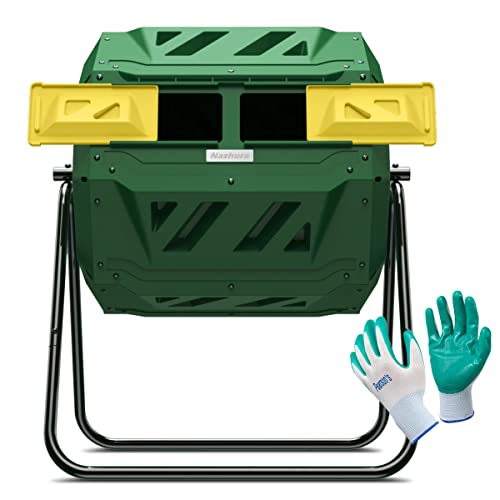 Buy Now →
 *ad
Related>> How And Where To Buy Baby Ducks

5. Ducks Are Quieter and More Neighbor-Friendly Than Chickens
For many backyard homesteaders, noise is a major concern. Ducks do quack, but their noise is far less disruptive than a rooster crowing at sunrise.
Most ducks don’t make noise constantly, and they tend to be quieter in the early morning and evening hours. This makes ducks a more neighbor-friendly option for suburban and urban backyards where noise restrictions may apply.
Related>> Can You Keep Ducks With Chickens?
6. Ducks Are Gentle, Social, and Safer for Children
Ducks are generally calm, friendly, and far less aggressive than many other types of poultry. They don’t have sharp talons like chickens, and they are less likely to peck, scratch, or attack.
Because of their gentle nature, ducks are often a better choice for families with children. They are social animals that enjoy following people around the yard, especially if they associate you with treats or fresh water. Many backyard duck owners find ducks easier and safer for kids to interact with than chickens or turkeys.
Related>> Simple Start Raising Ducks System
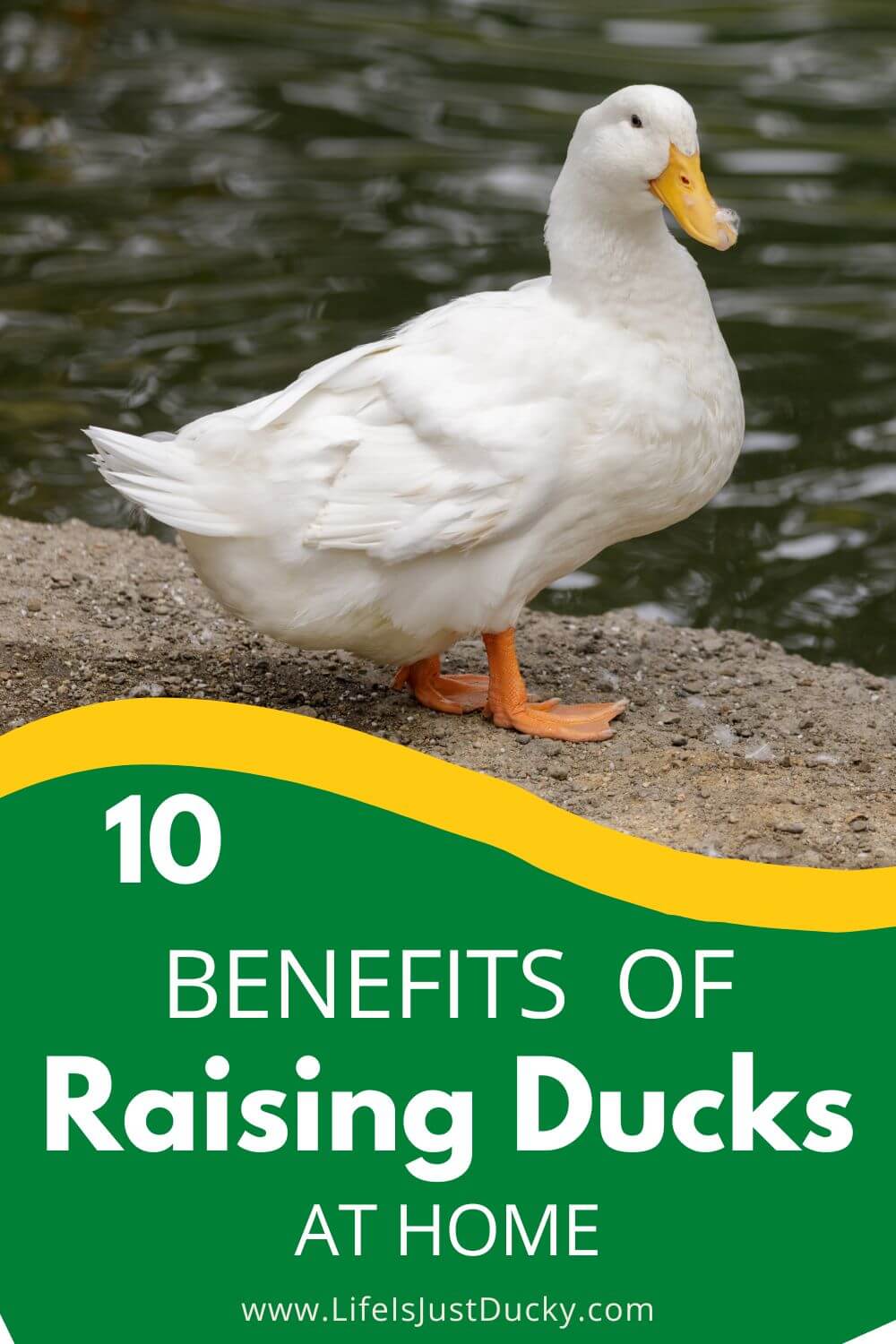
7. Ducks Provide Excellent Natural Pest Control
One of the most practical benefits of raising ducks is their ability to control pests naturally. Ducks love insects and will happily hunt slugs, snails, beetles, grubs, and worms throughout your yard and garden.
Unlike chickens, ducks are less likely to scratch up plants, making them a better choice for controlled garden cleanup. Allowing ducks into the garden at the end of the growing season can help reduce pest populations and weed seeds before the next year begins.
For many gardeners, ducks become an essential part of their pest-management strategy.
Related>> 10 Necessities To A Perfect Duck House
8. Antibiotic- and Chemical-Free Duck Meat
If you plan to raise ducks for meat, doing it yourself allows you to avoid unnecessary antibiotics, growth hormones, and chemical additives commonly used in commercial poultry production.
Backyard ducks can be raised on quality feed, supplemented with natural forage, kitchen scraps, and garden leftovers. This results in cleaner, healthier meat and gives you confidence in what you’re feeding your family. Many homesteaders find duck meat to be flavorful, nutrient-dense, and well worth the effort.
Related>> Growing Herbs For Chickens And Ducks
9. Ducks Handle Hot and Cold Weather Extremely Well
Ducks are well-suited to a wide range of climates. Their natural fat layer helps insulate them in cold weather, and their waterproof feathers keep them dry during rain and snow.
In hot weather, ducks regulate their body temperature by swimming, splashing, and drinking water. Unlike chickens, ducks don’t have exposed combs or wattles, so frostbite is rarely an issue in winter.
For homesteaders in areas with temperature extremes, ducks are often easier to manage year-round than chickens.
Related>> Caring For Ducks In Winter. What You Need To Know.
10. Ducks Are Entertaining, Relaxing, and Good for the Soul
Beyond eggs and pest control, ducks offer something harder to measure — joy. Watching ducks waddle, forage, splash, and interact with one another is surprisingly calming.
Ducklings are endlessly entertaining, and adult ducks develop distinct personalities that make them fun to observe. Many backyard duck keepers find that spending time with their ducks reduces stress and encourages them to slow down and enjoy the simple rhythms of homestead life.
In a world full of screens, ducks provide a peaceful connection to nature.

Related>> 10 Honest Reasons NOT To Raise Ducks
Should You Raise Ducks?
While there are many reasons to raise ducks, they aren’t perfect for everyone. Ducks need access to clean water, they can be messy, and they require daily care and maintenance.
Before getting started, check out Simple Start Raising Ducks System and make sure ducks fit your space, time, and expectations.
If you decide ducks are right for you, you can start your backyard flock by ordering ducklings and supplies from Cackle Hatchery, a trusted source for healthy, high-quality birds.
More You May Enjoy
The Simple Start Raising Ducks System.
Setting Up A Brooder Box For Baby Ducks.
A Well Designed Duck Coop To Make Your Life Easier.
Duck Eggs vs. Chicken Eggs, Why Duck Eggs Are Better.
Raising Ducks 101 – How To Take Care Of Baby Ducklings.
How To Get Clean Water For My Ducks.
Happy Backyard Homesteading!

I believe everyone can grow at least part of their own food! Let me show you how.

Mary is a gardener, backyard homesteader, and duck wrangler. She is also the owner and writer of LifeIsJustDucky.com and AGoodWordADay.com. (for daily devotions) Mary is passionate about helping others expand their backyard homesteading skills and learn to be more self-sufficient, no matter where they live.





Do ducks need heat lamps in the winter?
Once a duck is fully feathered out, it doesn’t need supplemental heat, as long as it has protection from the elements.(wind, rain) It may need something if the temperature drops below about -30°F. I’m not an expert on really low temperatures. I do know ducks can take the cold better than chickens. Many who keep their ducks in the cold, use deep litter on the floor and vents at the top. The deep litter is warm to sit on and the vents at the top allow moisture to escape. Moisture is your biggest enemy in the cold. I hope that helps.
I live aboard my 51’ power boat in a marina that has ~10 resident ducks. Me, and especially my 5 year old daughter, really enjoy feeding them (I buy freeze dried meal worm) and watching them swim around the marina. I would call them semi-domesticated Ducks, as they appear to be mallards or mallard cross breed, and they aren’t frightened by humans like their wild cousins that migrate through this area annually.
I raised a duckling in my backyard years ago, and really enjoyed it. It had been separated from it’s mother at a nearby lake. I heard (and watched) it squeak for its mother for over an hour before I decided to approach it, and when I did, it didn’t try to run or even appear startled. In fact it looked at me and started squeaking/chirping as I bent over to pick her up. Needless to say she had recently hatched and instantly attached to me, and I of course became attached to her cute little furry face pretty quick myself. My intentions were to raise her until she was old enough to be returned to the lake, as there is a community of “semi-domesticated” ducks that live there. After about two months she had quickly grown into a beautiful hen mallard, and began stretching her wings and boundaries. She would fly await, sometimes for hours, but always return to my backyard, announcing her arrival until I came out, picked her up, and rubbed her back for a few minutes. Sometimes when I’d leave for work in the morning, she’d fly alongside my car for half a mile or so. I’d eventually hit speeds to fast for her and she’d break off. Tragically she flew into a chain linked fence in my yard one day, and died on impact. I was actually very sad over the loss, but still enjoy the memories of that time.
I’m considering “converting” the aft deck of my boat to a nursery for 2-3 ducklings. There is a large “live bait well” that I do not use, that I could easily make into a good shelter/hutch for them. The deck itself is non-skid, about 4’ x 15’ with “walls” about 3’ high, that they could use to be ducks 🦆. My thoughts are that if I ensure they have a ramp to climb onto the swim platform, and another to get back onto the boat, they could use the marina waters to play. The hutch could be locked up at night, but I doubt any predators will try to jump onto a large yacht that is parked at the very end of a long dock, but it’s possible.
What are your thoughts on allowing these ducklings to integrate into the local duck community on their own time? Like I said, I live on my boat, and only occasionally take it out of the marina for day cruises. If they decided, or the other ducks decided not to join the flock, they would be welcome on my boat. The deck can easily be hosed off, with all waste draining overboard. They would have plenty of water and freedom to roam. Will a group of ducks allow a couple of strangers to join them? I’m assuming that females will be more likely to join the group than males. Will hatching our own ducklings, compared to buying them, make them more social with my daughter, or will purchased ducklings also bond with her? Your thought on the idea?
Thanks for the awesome and informative website.
You didn’t mention where you live. The first thing to consider is the law. In the US, you cannot take a wild migratory duck from the wild. You also have to consider the yacht club where you live. Even if they are purchased “legal” ducks, your community may not appreciate it. You don’t want to be “that neighbor” and ducks can be very messy. Please check all these things before you proceed.
That being said, I have seen a boat that had a pet chicken. It was very well behaved and was pretty cool. Just don’t get into any trouble. 🙂 Good luck.
can i keep them as inside pets? im thinking of getting two or three ducklings but i also have a german sheperd so if i keep them in the house will they be ok?
Keeping them inside can be a big challenge. Ducks are messy. You would have to keep them in a diaper and change it often. And as for the dog…I would be afraid it would eat them. But I don’t know your dog. This is NOT a challenge I would undertake. Good luck.
Can ducks co-exist with chickens?
We have two ponds. One covers about an acre and we have farm geese in there (I don’t think the geese would like to share with the ducks). We have fenced this one in.
The other pond is a ornamental pond (8′ x 5′). This is in our “orchard” and isn’t completely fenced in.
Would you let them live in either area?
Hi Karen, Thanks for asking. First many people have great luck with chickens and ducks together. As far as geese, I don’t have any, but I find, if the birds have enough room, they all seem to leave each other alone. The only time there is a problem is when there is over crowding. As far as using the ornamental pond, Ducks mess up the grass and plants LESS than chickens, but they can still cause damage. They would eat any little fish that might be in the pond, and all fowl poop – A LOT! A few things to consider. Does that help?
Yes it does. Would ducks fly off if not “caged”? Both ponds are in the open. I just don’t want to spend money on them only to have them fly off.
Some types of ducks fly. Some have been bred not to. Muscovys, like my daughter and I raise, fly. I have mine in a large cage. My daughter has a fenced yard with a pond, which they love, and they don’t wander far from it. You might check on a type that can’t fly. I don’t think Indian Runners can fly. They are GREAT egg layers! I have one that doesn’t fly and leaves me an egg every day. However she doesn’t believe in a nest. Most of the time she just drops it wherever she is at. The size is about the size of a large chicken egg.