
If you wish to keep either chickens or ducks, you might wonder, can you keep ducks with chickens? Can ducks and chickens co-exist? That sounds like a win-win. The answer to that question is yes…but… some differences need to be considered when setting up your flock to make raising chickens and ducks together possible.

This post may contain affiliate links. I will be compensated if you make a purchase after clicking on my links. Please read my disclosure if you have questions.
Thank you for supporting this site with purchases made through links in this post. For Starters Here’s My Amazon Store.
What You Need To Know About Raising Chickens and Ducks Together.
It’s only a matter of time before a chicken lover decides they would like to raise ducks also. But is it possible to raise them together? The needs of chickens and ducks are similar but not exactly the same. You can make it work with a little consideration of what each needs.
Let’s look at the needs of each one.
Differences Between Ducks And Chickens.
Understanding the needs of your flock is important to raising both happy and healthy birds. When their needs are met, they are more likely to get along with their coop mates and live a long and happy life.
Do Chickens And Ducks Get Along?
Ducks generally like the company of other ducks and chickens like to hang out with chickens. They usually separate into their own groups and just ignore each other. As long as you don’t have a very aggressive bird and have enough space and food bowls for everyone, it’s not likely to be a problem.
The only exception is if you have a drake (male duck) or rooster (male chicken) without their own females. More on that under mating.
Can Ducks And Chickens Live Together?
While chicken and duck sleeping requirements are similar, they are not exactly the same.
Chickens and ducks can be housed together in the same coop (affiliate) or you can choose to keep them in separate coops, but let them share the same run.
Why would you want a separate coop? Chickens and ducks have different needs and, depending on your climate, you might want them to be separate.
Let’s take a look at some of those differences.
Related>>Raising Ducks 101 – How To Take Care Of Baby Ducklings.
Chickens Roost – Ducks Don’t.
Chickens like to roost up in the air. Ducks need a place where they can sleep on the floor in deep litter. You might think this is a win-win. But unless you have the area under the roosts blocked off, that is where they will sleep and the ducks will be pooped on all night.
This can be alleviated by putting a drop board under the roosts. But then the ducks might decide that is a great place to lay eggs and they won’t be very accessible. It’s better to block it off.
Related>>Deep Litter – The Best Method For A Duck And Chicken Run.
Chickens Like It Dry.
Ducks are very wet birds. Their poop is wetter and they give off a lot of moisture at night. This isn’t great during the summer, but in the winter, where it is cold, this can be really bad for chickens.
The one thing chickens need is dry air and bedding when it is cold. A dry chicken is a warm chicken. Moisture makes them colder and can lead to condensation and frostbite. It can also lead to disease.
If you live where it is warmer, keep adding deep bedding and provide proper ventilation and the moisture may not be as big an issue.
Ducks Can’t Use A Steep Ramp.
Chickens can navigate a steep ramp, but ducks are not great at jumping and their big floppy feet can make it very difficult for them to go up a ramp into the coop.
If you are just building your coop, you may wish to build one that is at ground level. If you already have an elevated coop, make sure you have a long ramp that has secure footing and a very gradual incline. Duck’s feet are large, clumsy, and not designed for climbing.
If you are building a ramp, make sure it is wide enough, it should have an angle of 30° slope or less. It should have good traction. A slippery ramp will lead to injuries and ducks refusing to use it. If they get scared and jump off part way up, they can get an injury such as bumblefoot or even break a leg.
Forget about ladders. Those are not acceptable for ducks at all.
Related>> 10 Necessities To A Perfect Duck House.
Make The Door Wider.
Most ducks are wider than chickens so they need wider doors. They will be more willing to go in if the door is wider and taller.

Provide Enough Space For Your Chickens And Ducks.
One of the most critical factors in your flock getting along is ensuring they all have enough space. It allows each species to move away and not feel threatened by others.
The minimum space within a coop with a mixed flock should be 4 to 5 square feet per bird. If they have ample run space and/or are able to free range every day.
This is not a place to skimp.
Skimping on space can lead to bullying and unhealthy conditions.
I always suggest that you plan bigger if you can. “Chicken Math” is real. You may at some point wish to add to your flock.
Related>> 12 Things You Need To Know BEFORE Raising Ducks.
The Run Requirements.
For an outside run, the more space the better, but I recommend at least 20 square feet per chicken and 30 square feet per duck.
Don’t forget to add space for the duck tub with its splash zone.
Do not be too upset if you don’t think your ducks are using the coop. Unlike chickens, ducks don’t sleep all night long. They tend to take catnaps. Ducks can see in the dark and they will wander around at night.
If they can get out of the coop your ducks may prefer to sleep in the run under the stars much of the year. However, they need a shelter so they can get out of the rain and bad weather.
Just make sure your run is predator-proof for your bird’s safety.
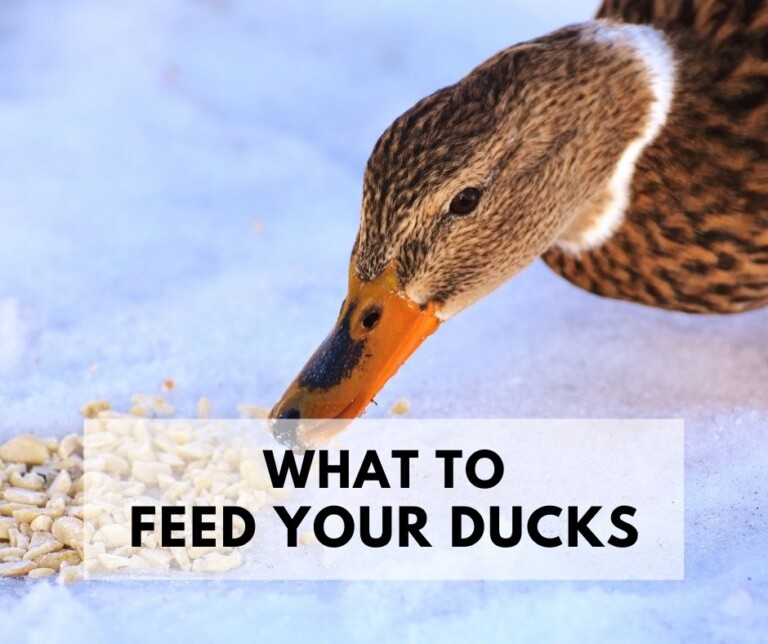
Feeding Ducks And Chickens Together.
Adult chickens and ducks can be fed regular chicken layer feed, but ducks need an addition.
Ducks do require higher levels of niacin than chickens. Niacin is critical for their leg development and bone health. Chicken feed does not include sufficient amounts. Adding brewer’s yeast to the food prevents problems in ducks due to niacin deficiency. This won’t hurt your chickens.
Chickens can also eat duck layer feed, or sometimes you can find an all-flock feed.
Don’t bother trying to put out both feeds. They will all eat indiscriminately from all of it. Just get one and feed it to all. I do recommend pellets as it is easier for ducks to eat.
Ducks do get their food wet when they eat, so it may be necessary to feed only a couple of days ration at a time to keep it from clumping up and molding.
Chickens and ducks will both self-regulate the amount of food they eat so you can leave their food out all day for them.
But at night you will want to remove it to keep from attracting rodents. Or you can use a treadle feeder that mice and rats can’t get into.
Related>> Get Rid Of Mice And Rats From Your Coop, Naturally.
Make sure the feeder opening is wide enough as some chicken feeders are not built with your duck’s bill in mind.
Ducks and chickens both need grit (tiny stones) to help grind up their food because they don’t have teeth. Your egg-laying ladies need extra calcium for strong egg shells. They will self-regulate these nutritional needs if available.

Water For Ducks And Chickens.
Ducks need water to eat and keep themselves clean! They grab a mouthful of food and then dunk their bills into the water to wash it down and clean out their nostrils. The chicken water nipples are not adequate for ducks.
They also dig in the mud to find bugs and then wash their bills in the water. They love water and will muddy any container of water they can reach and spread it all over.
They then splash it all over and just play in it.
Don’t get upset with them for this. It’s just what they do.
Chickens, on the other hand, like clean water. I’ve seen my chickens dump their waterer to have it refill with fresh water. (really! I’m not joking.)
Related>> How To Get Clean Water For My Ducks.
And most of the time they want and even need to be dry. Unlike ducks, chickens do not have waterproof feathers that keep them dry and warm.
So how do you provide water that is acceptable for everyone?
One way is to keep food and water OUT of the coop. You can provide a place just outside the coop in the run for the food and water. It can be a sheltered area out of the rain and snow. Add a fresh layer of deep litter to keep the chicken’s feet dry and warm.
You can also have separate waterers. Put the chicken’s waterer up on a shelf. A duck will not jump up to drink out of it and they will use the one near the ground.
If you have a tub of water for your ducks to bathe in, you should make sure it is at the furthest corner of the run, so the chickens can stay far away from the splashing and mud that will ensue. Make sure you can drain it away from the run.
Water is usually the biggest pain point when raising ducks and chickens together.
Related>> What Is The Best Way To Store Farm Fresh Eggs?
Health Concerns About Keeping Chickens With Ducks.
Ducks are much less susceptible to disease than chickens. Ducks have a higher body temperature than chickens and this helps keep ducks from contracting diseases. External parasites, like mites and lice, are drowned when they bathe.
The wetter environment ducks create can increase your chickens’ risk of various illnesses, so it’s important to keep a shared environment as clean and dry as possible.
Generally speaking, the best way to keep any flock healthy is to keep it clean and provide plenty of fresh air and as much time outside to roam as possible.
When bringing new flock members into your coop, you also need to ensure that you have an appropriate quarantine space to make sure the newcomers are not bringing a disease into your coop.
It’s a good practice to do health checks regularly. Even if that is just a few minutes to closely observe your flock for any unusual behavior.
The use of medicinal herbs also helps keep your flock healthy. Herbs such as garlic, turmeric, oregano, and things like pumpkin seeds and ACV are just a few of the helpful things to add to their diet.
Nesting Boxes For Chickens And Ducks.
Chickens like raised nesting boxes, while ducks prefer to nest on the ground. My ducks enjoy using ground-level nesting boxes that I provided for them to lay eggs in. They will not be able to get into normal (chicken) raised nesting boxes.
Related>> Nesting Boxes For Ducks, How To Make Your Own.
Ducks also need their nesting boxes to be a little larger than a normal chicken box.
Male To Female Ratio And Mating.
If there are too many males and not enough females, it will likely become a problem. It’s recommended to have 1 rooster per 6-8 hens. The same goes for ducks. Never have a male with no females of its kind.
In general, a group of mixed ladies will get along and would be the best situation. Adding a drake and a rooster is usually fine if they have enough ladies. It all depends on the temperament of the males.
Do not have a drake (male duck) in a mixed flock without a rooster. What you don’t want is for your drake to try and mate with your female chickens. Drakes have an external phallus where roosters do not, and female chickens can be seriously hurt or even killed by an amorous drake. If you have a rooster around, he will keep the hens safe.
Can Chicks And Ducklings Be In The Same Brooder Together?
Ducklings grow much faster than chicks and need much more space. Within a few weeks, your ducklings will be several times larger than your chicks. (affiliate)
The problem is not aggression but is one of clumsiness and the chance of a chick being stepped on by a lumbering duckling.
Related>> Setting Up A Brooder Box For Baby Ducks.
Ducklings will also soil a brooder faster than chicks and will create a wetter environment.
Ducklings should never be given medicated chick food.

Related>> Hatching Duck Eggs With An Incubator.
Can You Keep Ducks With Chickens? Final Thoughts:
So, the answer to “Can you keep ducks with chickens,” is a resounding Yes! Raising chickens and ducks together can be a fun experience, and ducks add a lot of personality and just plain fun to a backyard flock.
It is possible for them to be coop mates as their basic needs are very similar. With just a few tweaks, you can add both to your backyard homestead.
More You May Enjoy
The Simple Start Raising Ducks System.
Setting Up A Brooder Box For Baby Ducks.
A Well Designed Duck Coop To Make Your Life Easier.
Duck Eggs vs. Chicken Eggs, Why Duck Eggs Are Better.
Raising Ducks 101 – How To Take Care Of Baby Ducklings.
How To Get Clean Water For My Ducks.
Happy Backyard Homesteading!

I believe everyone can grow at least part of their own food! Let me show you how.
Check out the newsletter for more helpful information and free stuff.

Mary is a gardener, backyard homesteader, and duck wrangler. She is also the owner and writer of LifeIsJustDucky.com and AGoodWordADay.com. (for daily devotions) Mary is passionate about helping others expand their backyard homesteading skills and learn to be more self-sufficient, no matter where they live.