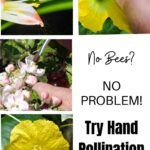

Pollination is the hidden process behind every fruit and vegetable in your garden. Without it, flowers fade, plants stall, and harvests fall short. While bees and other pollinators usually handle the job, they aren’t always present when plants need them most. Weather, location, and even garden size can interfere with natural pollination.
That’s why learning hand pollination is such a valuable skill for gardeners and backyard homesteaders. When you know how to step in at the right moment, you can dramatically improve fruit set and overall yields—no hive required.
This post may contain affiliate links. I will be compensated if you make a purchase after clicking on my links. Please read my disclosure if you have questions.
Thank you for supporting this site with purchases made through links in this post. For Starters Here’s My Amazon Store.
What Is Pollination?
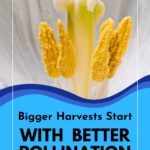
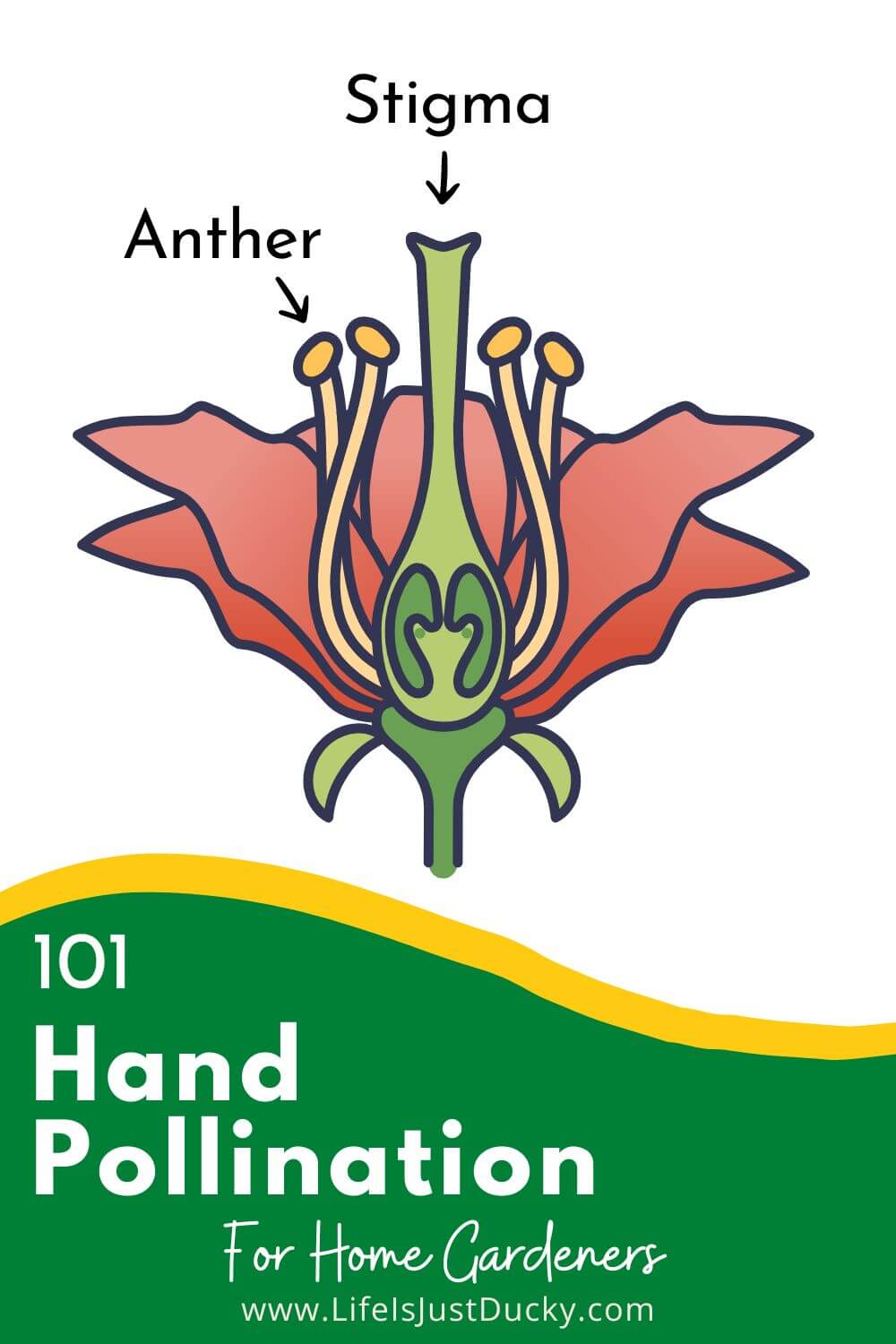
Pollination happens when pollen moves from the male part of a flower, called the anther, to the female part, known as the stigma. Once this transfer occurs, fertilization can begin. Seeds develop, fruit forms, and your plant produces food.
When pollination doesn’t happen—or happens incompletely—plants may grow vigorously and bloom heavily, yet still fail to produce. This is a common frustration for gardeners, especially those growing food in urban spaces, on balconies, or inside greenhouses.
Learning how to hand pollinate allows you to support this process when nature needs a little help.
Related>> Tips For Growing Fantastic Okra
Why Hand Pollination Works So Well in Home Gardens
Many gardeners assume poor yields come from bad soil or weak plants, but the issue is often pollination. Tomatoes that bloom but don’t set fruit, cucumbers that grow misshapen, or corn ears that don’t fill out are all signs that pollination was incomplete.
Hand pollination is especially useful in small gardens where pollinators may not visit often. Balcony gardens, raised beds near buildings, and indoor growing setups all limit insect traffic and natural airflow. Even in traditional backyard gardens, rainy springs, heat waves, or declining pollinator populations can disrupt the process.
Bees are incredible pollinators, but they aren’t always available in the numbers we need. When they’re missing, hand pollination gives you control over your harvest instead of leaving it to chance.
Related>> 16 Top Secrets for Growing Great Tomatoes
One thing I’ve learned over the years is that every great harvest starts with great seeds. I always buy from companies I trust because healthy plants produce better flowers, and better flowers mean a better chance of successful pollination.
Related>> How To Grow Fruits And Vegetables At Home.
Why I Learned to Hand Pollinate
A few years ago, I noticed something frustrating in my own garden. My vegetable plants were healthy, covered in blossoms, and growing beautifully, but the harvest wasn’t matching all those flowers. Tomatoes weren’t setting well, my squash blooms kept dropping, and my cucumbers were producing far fewer fruits than I expected.
Even my Barbados cherry bush was covered in beautiful pink flowers, but it wasn’t producing the harvest I had hoped for. After watching my garden for several days, I realized there just weren’t many bees or other pollinators visiting the flowers. Whether it was the weather, the time of year, or simply fewer pollinators in my area, my plants weren’t getting the help they needed.
Instead of hoping more bees would show up, I decided to learn how to hand pollinate. I was amazed at how simple it was. Within days I started seeing more squash developing, my tomatoes set more fruit, and even my corn filled out better than it had in previous years.
While hand pollination is a wonderful backup plan, I still encourage every gardener to make their yard as pollinator-friendly as possible, by planting flowers and herbs, and avoiding pesticides. The more bees, butterflies, and other beneficial insects you can attract, the less work you’ll have to do yourself.
Related>> Why It’s Important To Attract Bees To Your Garden
Hand Pollination Is Easier Than It Sounds
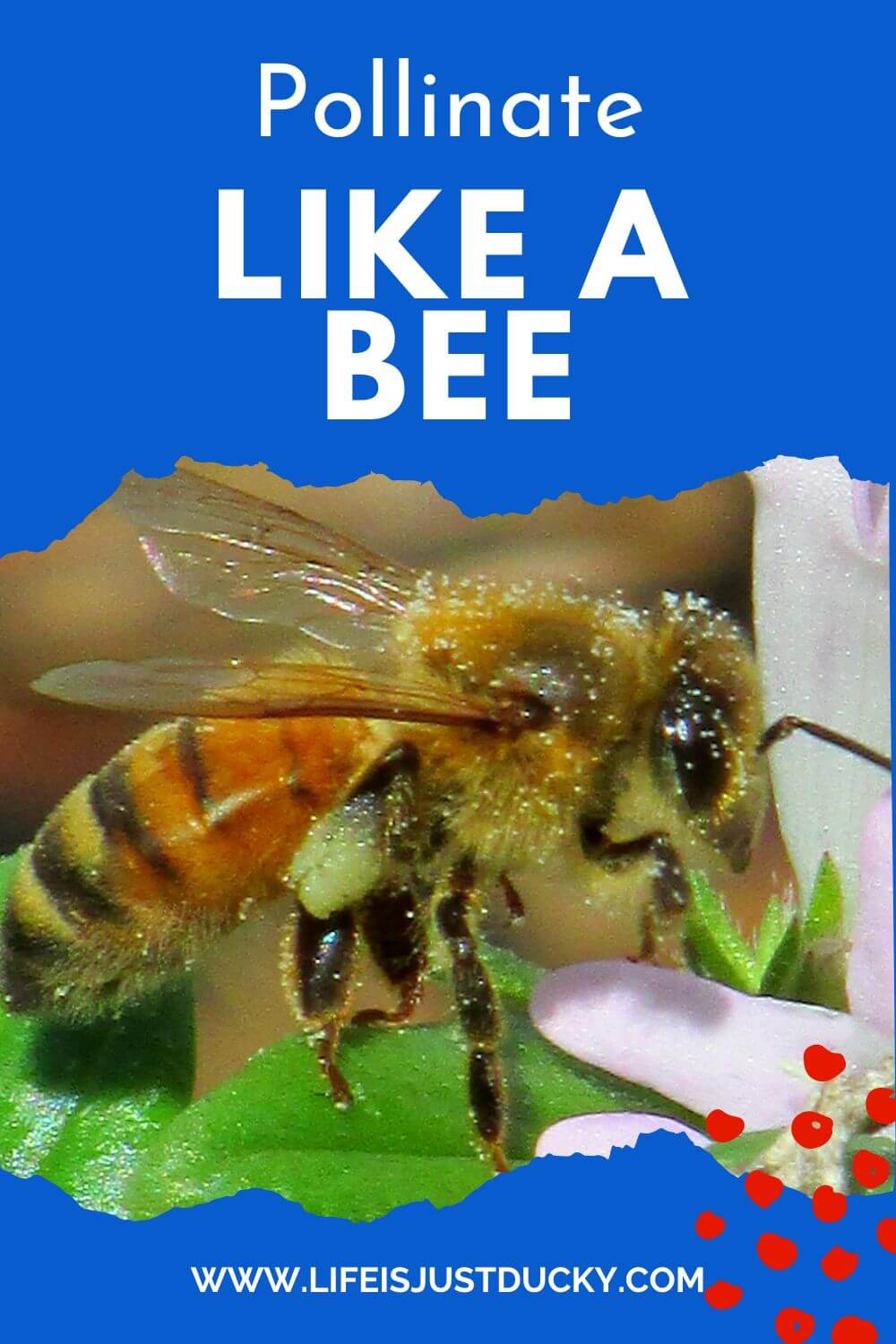
Hand pollination sounds technical, but it’s surprisingly simple. You’re essentially acting as a bee—moving pollen from one flower to another.
All you need is a small, soft tool such as:
- A fine paintbrush
- A cotton swab (Q-tip)
- A feather
- An electric toothbrush
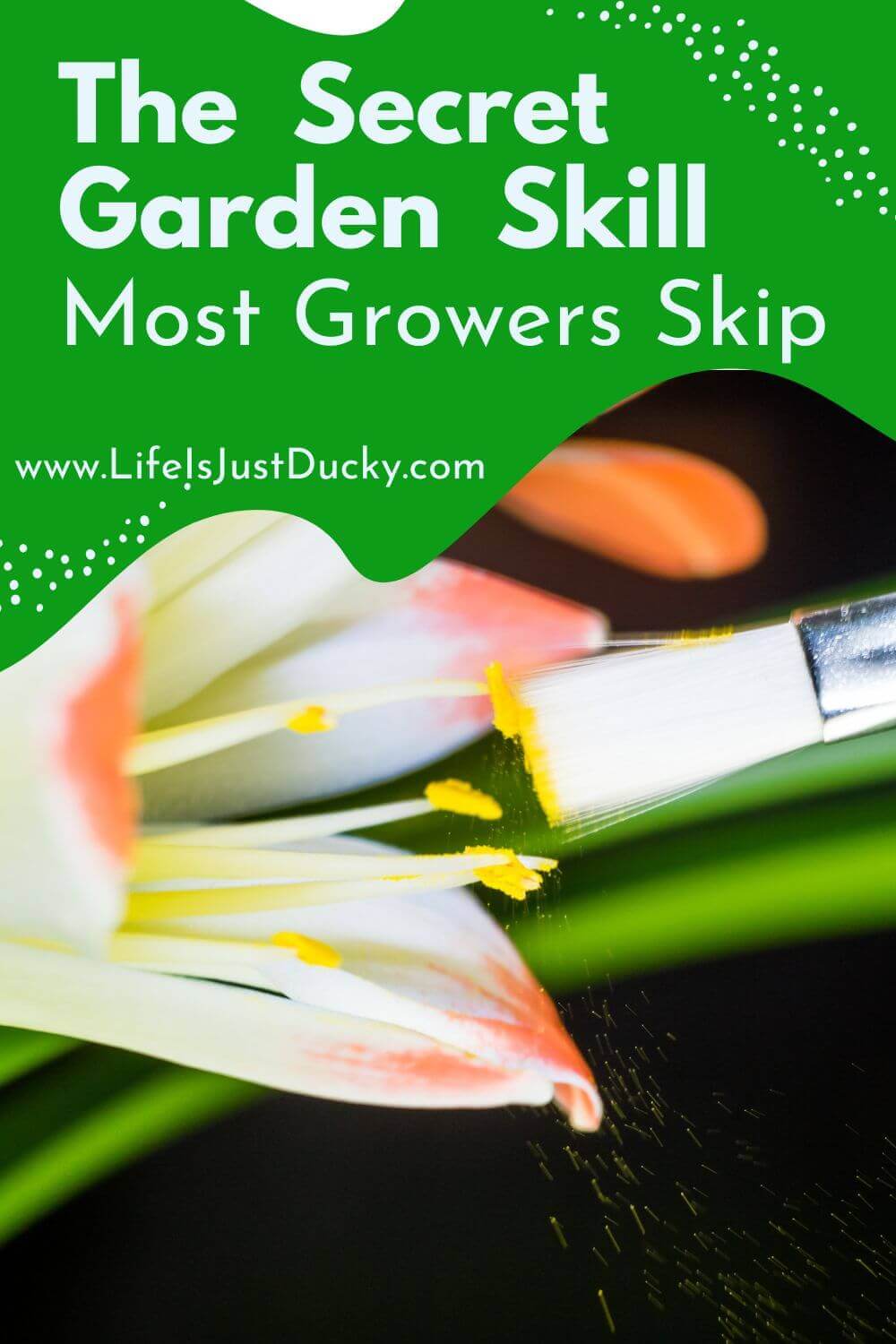
A small artist (craft) paintbrush works especially well and can be reused season after season. (This is one of my favorite low-cost garden tools and I keep one just for pollination.)
Pollinate in the morning after dew has dried and on dry days whenever possible. Pollen sticks to the brush the same way it sticks to a bee’s fuzzy body.
What Hand Pollination Actually Looks Like
When you hand pollinate, you act as the bee. You collect pollen from a male flower and move it to a female flower, or you help pollen reach the stigma inside a flower.
For most home gardeners, hand pollination is less about breeding new varieties and more about ensuring flowers turn into food.

Self-Pollinating Plants and How to Help Them Along
Self-pollinating plants contain both male and female parts in the same flower. Tomatoes, peppers, and strawberries fall into this category. While these plants technically don’t need outside help, movement and vibration greatly improve pollination.
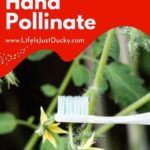
In nature, bees provide that vibration. As bees land on the branches, they vibrate that part of the plant causing pollen to fall. You can recreate this by gently brushing inside each flower or lightly tapping the plant. Many gardeners use an electric toothbrush held against the stem to mimic a bee’s buzz, which works especially well for tomatoes.
A few seconds per plant can make a noticeable difference in fruit production.
Related>> Grow Strawberries In A Fraction Of The Space
Plants with Separate Male and Female Flowers
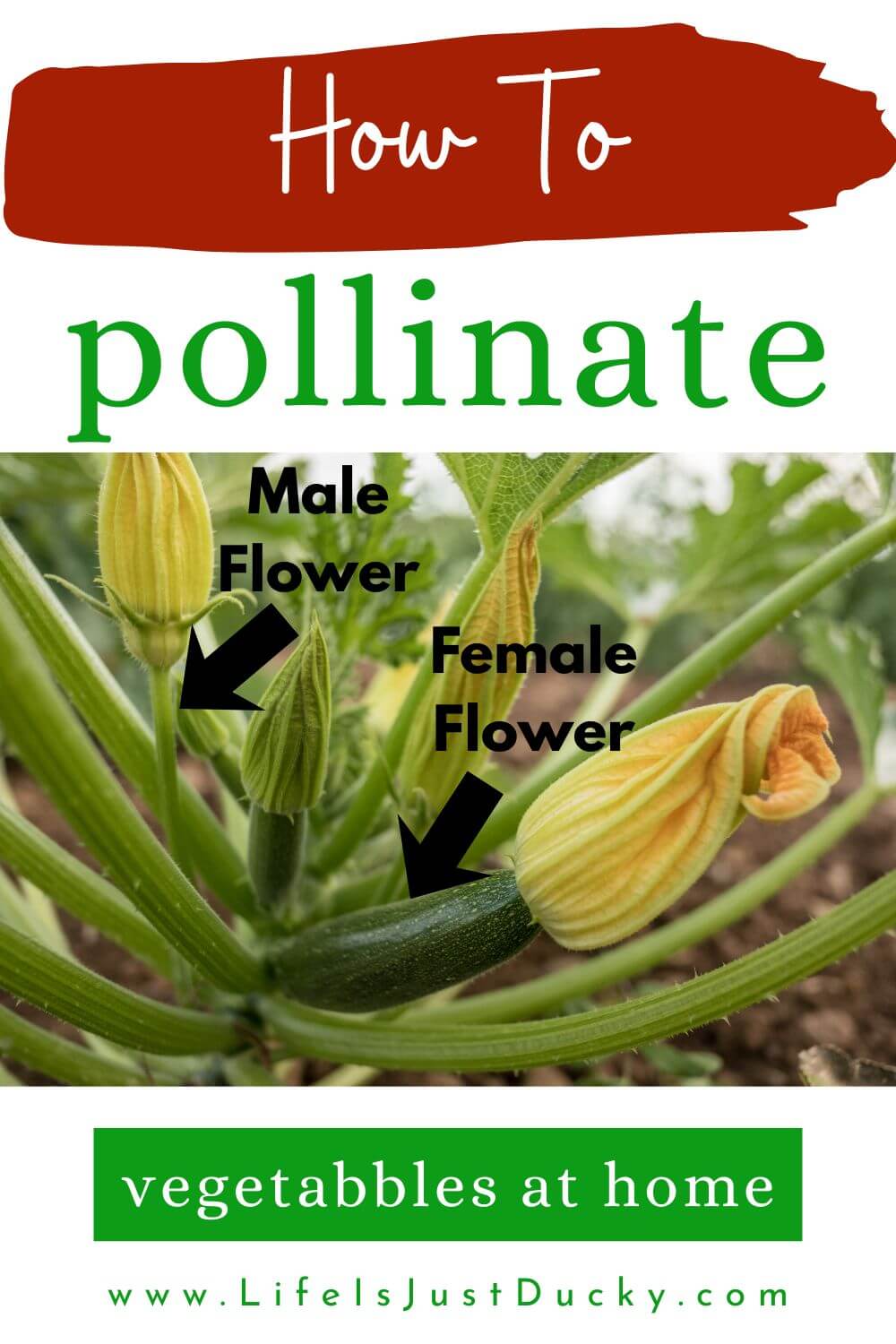
Some vegetables, including squash, pumpkins, cucumbers, melons, and zucchini, produce separate male and female flowers on the same plant. The male flowers provide the pollen, while the female flowers develop into fruit once they’re pollinated.
The male flowers usually appear first and grow on long, slender stems. Female flowers are easy to recognize because they have a tiny immature fruit just below the blossom.
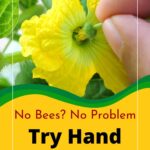
To hand pollinate, simply use a soft paintbrush to collect pollen from the center of a freshly opened male flower. Then gently brush that pollen onto the stigma in the center of a female flower. You can also remove a male flower, peel back the petals, and lightly touch the pollen-covered anther directly to the female flower.
If the pollination is successful, you’ll usually notice the tiny fruit beginning to grow within a few days.
Don’t worry if the first blossoms that appear are all male. That’s perfectly normal for cucurbits. Female flowers typically begin opening a week or two later, and once they do, you’ll usually have both male and female flowers blooming at the same time.
Hand Pollinating Corn for Full, Healthy Ears
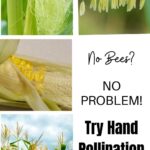
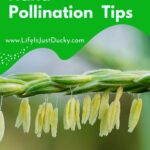
Corn is wind-pollinated, which makes it tricky for small gardens. Each corn plant produces male flowers at the top, called tassels, and female flowers along the stalk, known as silks. Every strand of silk corresponds to a single kernel on the ear.
In backyard plots, pollen often doesn’t reach every silk. That’s why ears may develop with missing kernels.
To hand pollinate corn, wait until tassels begin shedding yellow pollen and silks have emerged. Gently snapping off a few tassels and brushing them over the silks helps ensure even pollination. Repeating this for several mornings during peak pollen shed can greatly improve yields.
Pollination happens best mid-morning after dew dries. Repeat daily for about a week for best results.
Did you know? You can store ripe pollen in the refrigerator for several days if female flowers haven’t opened yet.

When Hand Pollination Isn’t the Whole Problem
If hand pollination doesn’t result in fruit within a few days, other factors may be at play. Lack of water, extreme temperatures, poor soil nutrition, or insufficient sunlight can also cause plants to conserve energy and drop flowers.
Hand pollination works best when combined with healthy growing conditions.
Final Thoughts
Once you understand how pollination works, you’re no longer at the mercy of weather or insects. Hand pollination gives you a simple, effective way to increase yields and improve harvest quality—whether you garden in a backyard, on a balcony, or indoors.
Sometimes, the best harvests come from lending nature a helping hand.
Frequently Asked Questions
Does hand pollination really work?
Yes! Hand pollination is an effective way to increase fruit set when bees and other pollinators are scarce. Many home gardeners, greenhouse growers, and even commercial pumpkin growers use it to improve harvests.
What plants can be hand pollinated?
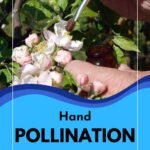
Many fruits and vegetables respond well to hand pollination, including tomatoes, peppers, strawberries, cucumbers, squash, pumpkins, melons, zucchini, eggplant, and corn. It can also be used on certain fruit trees when pollinator activity is low.
What is the best tool for hand pollination?
A small, soft artist’s paintbrush works best because it easily picks up and transfers pollen without damaging delicate flowers. Cotton swabs and feathers also work, but I prefer keeping one inexpensive paintbrush in my gardening supplies just for pollinating.
What time of day should I hand pollinate?
Morning is usually the best time. Wait until the dew has dried but before the heat of the day arrives. Flowers are freshest, and pollen is typically at its most viable.
How often should I hand pollinate?
During peak flowering, it’s a good idea to pollinate every day or every other day. Since new flowers continue opening, regular pollination gives you the best chance for a larger harvest.
How can I tell the difference between male and female squash flowers?
Male flowers grow on long, thin stems and contain pollen-covered anthers in the center. Female flowers have a tiny immature squash at the base of the blossom. Transfer pollen from the male flower to the center of the female flower for successful pollination.
Why are my plants flowering but not producing fruit?
Poor pollination is one of the most common reasons, but it’s not the only one. Heat stress, inconsistent watering, lack of sunlight, nutrient deficiencies, or immature plants can also prevent fruit from developing.
Can I hand pollinate tomatoes?
Yes. Tomatoes are self-pollinating, but they benefit from vibration. Gently brushing inside each flower, tapping the flower clusters, or using an electric toothbrush against the stem helps release pollen and often improves fruit set.
Can I hand pollinate corn?
Absolutely. Corn relies on wind to move pollen, which doesn’t always work well in small backyard gardens. Dusting pollen from the tassels onto the silks for several mornings can produce fuller ears with fewer missing kernels.
Should I hand pollinate if I have plenty of bees?
Usually, no. If your garden has lots of bee activity and you’re getting good fruit set, nature is doing the work for you. Hand pollination is most helpful when pollinators are scarce, the weather has interfered with pollination, or you’re growing in a greenhouse or protected area.
Happy Backyard Homesteading!

I believe everyone can grow at least part of their own food! Let me show you how.

Mary is a gardener, backyard homesteader, and duck wrangler. She is also the owner and writer of LifeIsJustDucky.com and AGoodWordADay.com. (for daily devotions) Mary is passionate about helping others expand their backyard homesteading skills and learn to be more self-sufficient, no matter where they live.